Optimizing Chicken Cages for Cold and Hot Zones: A Comprehensive Guide
Understanding the Challenges of Cold and Hot Zones in Chicken Farming
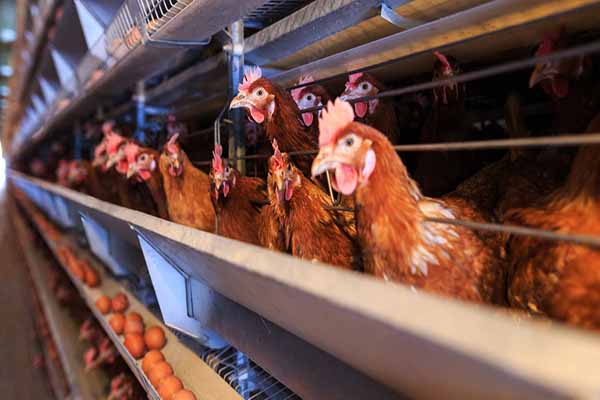
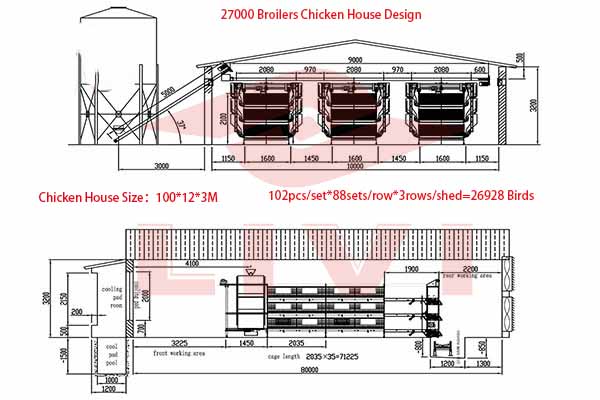
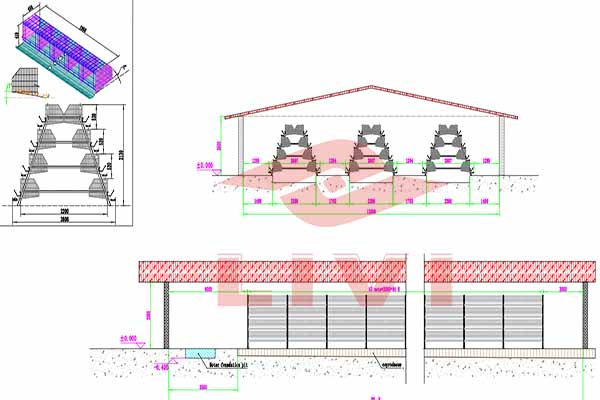
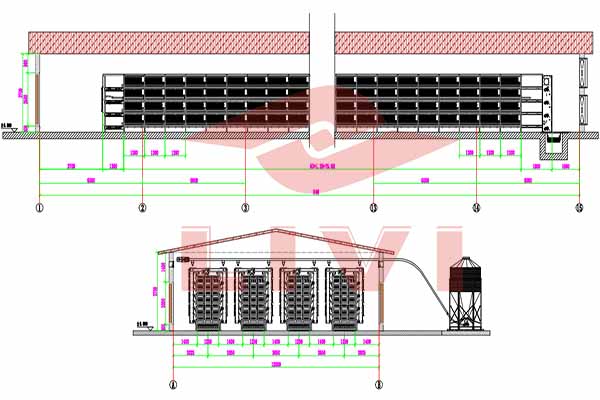
Chicken farming, a vital industry for food production, demands careful consideration of the environment in which the birds are raised. Cold and hot zones pose unique challenges, affecting the health and productivity of chickens. This article delves into the importance of appropriate chicken cages for these conditions, ensuring optimal growth and welfare of the birds.
Key Considerations for Chicken Cages in Cold Zones
In cold zones, chickens are susceptible to hypothermia and respiratory infections. Here are some essential factors to consider when selecting chicken cages:
- Insulation: Opt for cages with good insulation properties to maintain a stable temperature within the pen.
- Thermal Reflective Coating: Use cages with a thermal reflective coating to minimize heat loss and maintain warmth.
- Airflow Management: Ensure proper airflow to prevent condensation and maintain a comfortable environment.
- Heating Systems: Incorporate heating systems like infrared lamps or heat lamps to provide additional warmth when needed.
According to a study by the Journal of Animal Science, a temperature of 68°F (20°C) is ideal for chickens in cold zones. Maintaining this temperature can significantly reduce the risk of diseases and improve growth rates.
Important Factors for Chicken Cages in Hot Zones
In hot zones, chickens are prone to heat stress, which can lead to reduced egg production, decreased growth rates, and increased mortality rates. Here are some crucial considerations for chicken cages in these conditions:
- Ventilation: Ensure cages have adequate ventilation to provide a constant flow of fresh air.
- Shading: Use shading materials to protect chickens from direct sunlight and reduce heat exposure.
- Water Availability: Provide easy access to cool water to help chickens maintain their body temperature.
- Heat Stress Management: Implement cooling systems like misters or fans to reduce the ambient temperature.
A study published in the Poultry Science Journal suggests that a temperature of 70°F (21°C) is optimal for chickens in hot zones. By maintaining this temperature, you can ensure the health and productivity of your chickens.
Comparative Analysis of Chicken Cages for Cold and Hot Zones
Below is a table comparing the key features of chicken cages suitable for cold and hot zones:
| Feature | Cold Zones | Hot Zones |
|---|---|---|
| Insulation | High | Low |
| Thermal Reflective Coating | Yes | No |
| Airflow Management | High | High |
| Heating Systems | Yes | No |
| Shading | No | Yes |
| Water Availability | Yes | Yes |
| Heat Stress Management | No | Yes |
Conclusion
Selecting the right chicken cages for cold and hot zones is crucial for the success of your poultry farming business. By considering the factors mentioned in this article, you can create an optimal environment for your chickens, leading to improved growth rates, productivity, and overall health.
For more information and to receive a free chicken farming design and equipment quote from LIVI Machinery, please leave a comment below or contact us directly.