Building a Commercial Chicken Farm: A Comprehensive Guide
Understanding the Market and Planning Your Chicken Farm
Before diving into the construction of a commercial chicken farm, it’s crucial to understand the market demand and plan accordingly. Here are some key points to consider:
– Market Analysis: Conduct a thorough market analysis to determine the demand for chicken products in your region. This includes studying consumer preferences, local competition, and potential growth opportunities.
– Business Plan: Develop a comprehensive business plan that outlines your goals, budget, and timeline. Include financial projections, marketing strategies, and risk assessments.
– Legal and Regulatory Compliance: Ensure that your farm complies with all local and national regulations regarding animal welfare, environmental protection, and food safety.
Designing Your Chicken Farm Layout
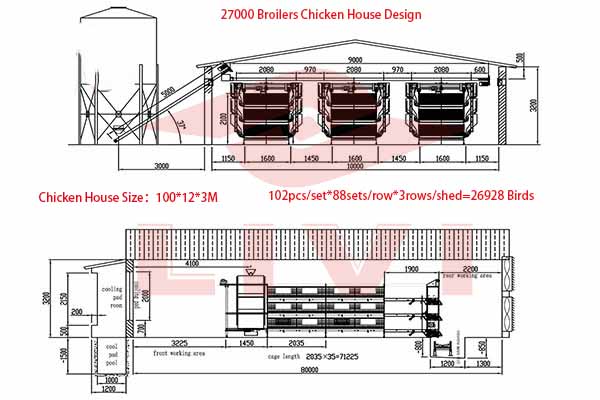
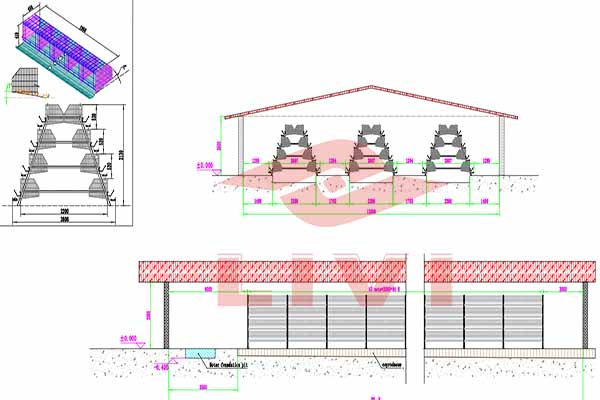
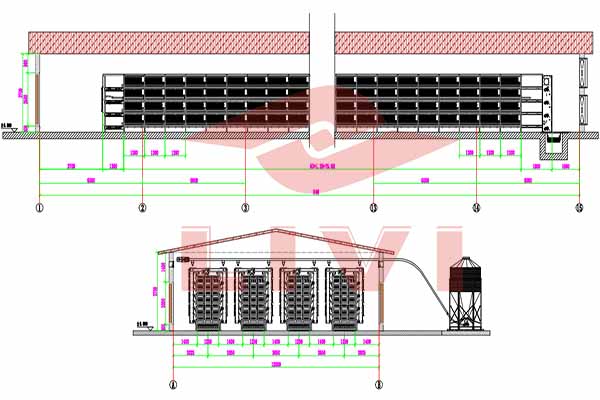
The layout of your chicken farm plays a vital role in its efficiency and success. Here are some essential aspects to consider:
– Brooding Area: Allocate space for the initial phase of chick rearing, where they are kept warm and protected.
– Growing Pens: Design pens for the growing chickens, ensuring adequate space for movement and growth.
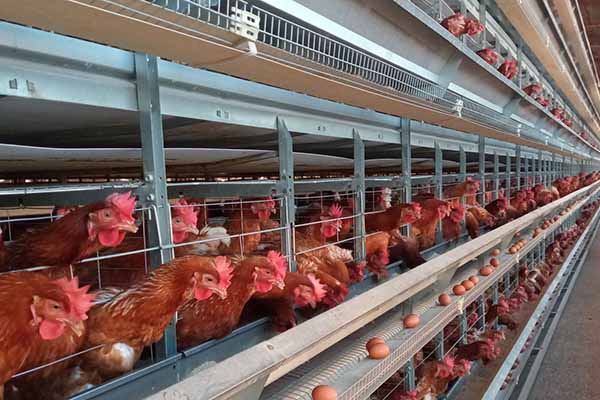
– Laying Houses: Create laying houses with comfortable perches and nesting boxes for the hens to lay eggs.
– Ventilation and Cooling: Implement effective ventilation systems to maintain optimal temperature and humidity levels.
Equipment and Technology
The right equipment and technology can significantly enhance the productivity and profitability of your chicken farm. Consider the following:
– Feeding Systems: Invest in automated feeding systems to ensure a consistent and balanced diet for your chickens.
– Watering Systems: Use automatic watering systems to provide fresh water at all times.
– Monitoring Tools: Implement monitoring tools to track the health and performance of your chickens.
Financial Considerations
Building a commercial chicken farm requires a significant investment. Here are some financial aspects to keep in mind:
– Capital Expenditure: Calculate the total cost of land, construction, equipment, and initial chicken stock.
– Operating Costs: Plan for ongoing expenses such as feed, utilities, labor, and maintenance.
– Return on Investment: Analyze the potential return on investment to ensure your farm is financially viable.
Conclusion
Building a commercial chicken farm is a complex endeavor that requires careful planning and execution. By following this guide, you can increase your chances of success. For further assistance, feel free to leave a comment or contact us for a free, customized chicken farm design and equipment quote.