Chicken Cage Alternatives for Organic Farming: A Comprehensive Guide
Organic farming has gained significant popularity in recent years, with consumers increasingly seeking products that are free from harmful chemicals and antibiotics. As a result, the demand for chicken cage alternatives has surged. This article explores various alternatives to traditional chicken cages in organic farming, providing a detailed guide for poultry farmers and investors.
Traditional Chicken Cages: The Drawbacks
Traditional chicken cages have long been the norm in commercial poultry farming. However, these systems have several drawbacks:
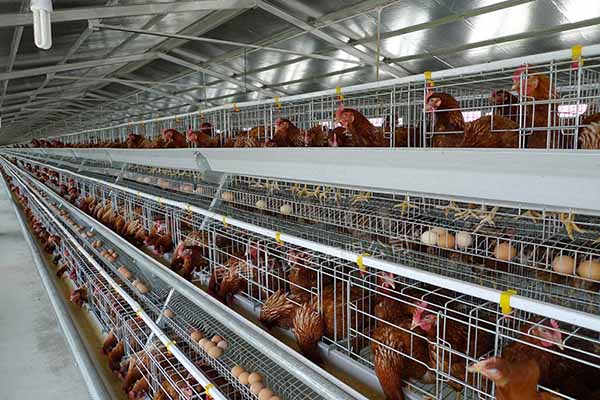
- High Risk of Disease: Crowded conditions in traditional cages can lead to the rapid spread of diseases among chickens.
- Limited Movement: Chickens are confined to a small space, which can lead to physical and psychological stress.
- Inefficient Feed Conversion: Chickens in cages often consume more feed than free-range chickens, resulting in higher production costs.
Alternatives to Traditional Chicken Cages
Several alternatives to traditional chicken cages have emerged, each offering unique benefits for organic farming:
Free-Range Systems
Free-range systems allow chickens to roam freely in an enclosed area. This approach has several advantages:
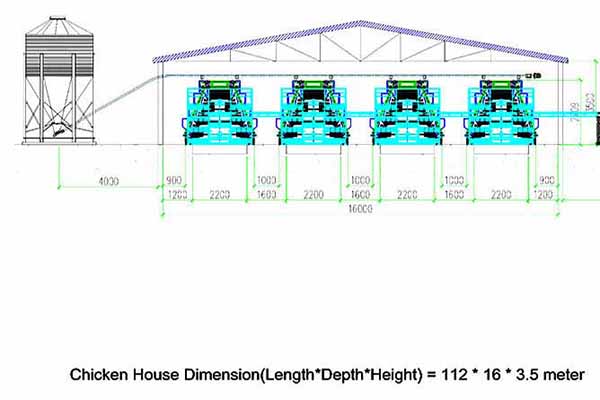
- Improved Health: Free-range chickens are less susceptible to diseases due to reduced stress and exposure to fresh air.
- Higher Productivity: Free-range chickens typically require less feed and have better growth rates.
- Enhanced Taste and Quality: Free-range chicken meat has a better flavor and texture than conventionally raised chicken.
Deep-Litter Systems
Deep-litter systems involve bedding material, such as straw or wood shavings, on the floor of the chicken house. This approach offers the following benefits:
- Reduced Disease Risk: The bedding material helps to absorb waste and odors, reducing the risk of disease.
- Improved Welfare: Chickens can scratch and forage, providing them with more space and mental stimulation.
- Lower Feed Conversion: Deep-litter systems can lead to better feed conversion rates compared to traditional cages.
Outdoor Pasture Systems
Outdoor pasture systems involve raising chickens in open areas, such as fields or pastures. This approach offers the following advantages:
- Healthier Chickens: Outdoor environments provide chickens with access to fresh air, sunlight, and natural forage.
- Higher Quality Meat: Outdoor-raised chickens tend to have higher-quality meat due to the healthier diet and exercise.
- Environmental Benefits: Outdoor pasture systems can help reduce the environmental impact of poultry farming.
Conclusion
Choosing the right chicken cage alternative for your organic farming operation can significantly impact your success. Free-range, deep-litter, and outdoor pasture systems offer unique benefits, each tailored to specific needs and goals. As a professional SEO, we encoura ge you to contact us for a free, personalized chicken farm design and equipment quote. Let us help you make the best decision for your farm.