Poultry Farming Business Startup Guide
Embarking on a poultry farming business venture requires thorough planning and understanding of the industry. This comprehensive guide will help aspiring entrepreneurs and investors navigate the key aspects of starting a poultry farming business.
Understanding the Market
The poultry industry is a thriving sector, with significant demand for eggs and meat. According to the FAO, global poultry meat production reached 107.9 million tons in 2020, with a steady increase expected in the coming years.
- Market Size: Understand the scale of the market in your region and the potential demand for your products.
- Target Market: Identify your target market, whether it’s local consumers, wholesalers, or the foodservice industry.
- Competitors: Analyze your competitors and find a unique selling proposition (USP) to differentiate your business.
Choosing the Right Breed
Selecting the appropriate poultry breed is crucial for the success of your farming business. Consider the following factors:
- Productivity: Look for breeds that are known for high egg-laying rates or fast growth for meat production.
- Hardiness: Choose breeds that are resistant to diseases and can withstand various climatic conditions.
- Feed Conversion Ratio (FCR): Lower FCR means the birds are more efficient at converting feed into weight gain or eggs.
Setting Up the Farm
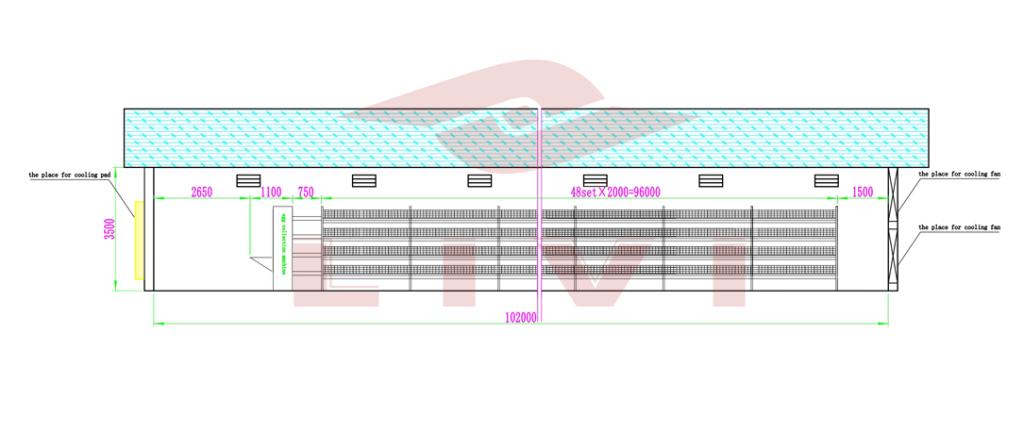
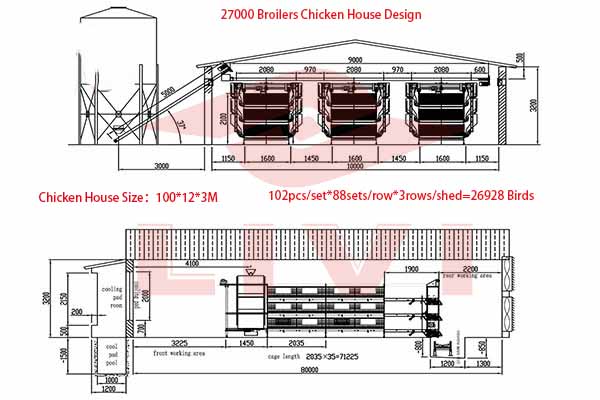
A well-planned farm layout is essential for efficient operations. Here are the key components to consider:
- Brooder House: A secure area for chicks to grow until they are fully feathered.
- Crowing House: A comfortable space for laying hens, with nesting boxes for egg collection.
- Equipment: Invest in quality equipment such as feeders, waterers, and lighting systems.
- Sanitation: Implement a robust biosecurity plan to prevent diseases from affecting your flock.
Operational Considerations
Managing a poultry farm effectively involves several operational aspects:
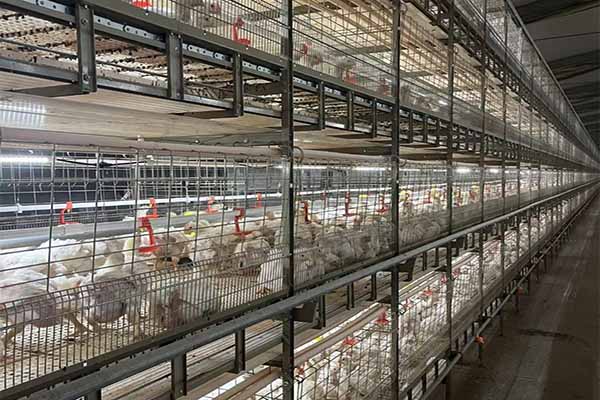
- Feeding and Watering: Ensure a consistent and balanced diet for your birds, with clean drinking water always available.
- Health Management: Regular veterinary checks and vaccination programs are crucial for disease prevention.
- Monitoring: Use technology like automatic egg counting and environmental monitoring systems to track performance and make informed decisions.
Financial Planning</h 2>
2>
Sound financial management is vital for the sustainability of your poultry farming business. Here are some key financial considerations:
- Capital Investment: Calculate the initial investment required for land, buildings, equipment, and working capital.
- Operating Costs: Plan for ongoing costs such as feed, labor, energy, and insurance.
- Revenue Streams: Diversify your income sources by exploring different market segments, such as organic or free-range poultry products.
Conclusion
Starting a poultry farming business is a significant endeavor that requires careful planning and a thorough understanding of the industry. By following this guide, you can lay a solid foundation for your venture.

For more detailed insights and a free, personalized poultry farming design and equipment quote, feel free to leave a comment below or contact us directly.