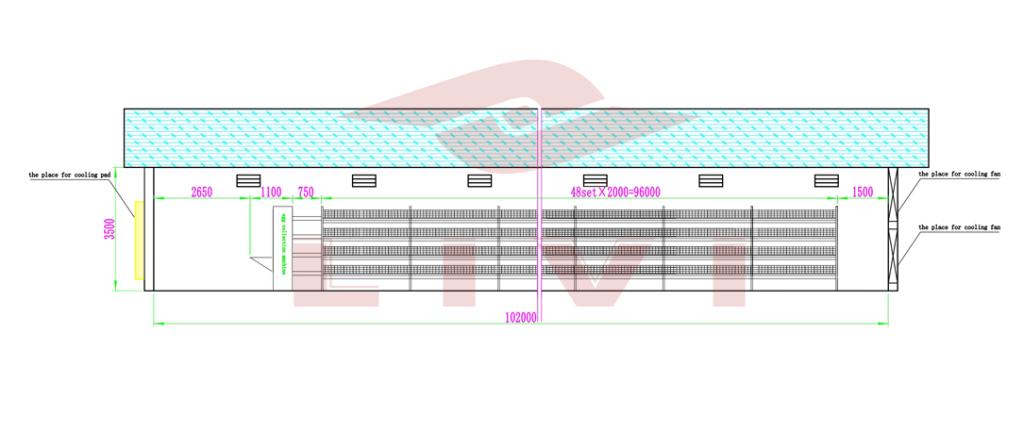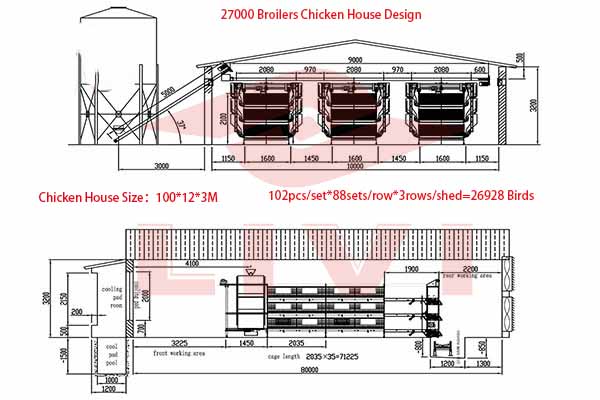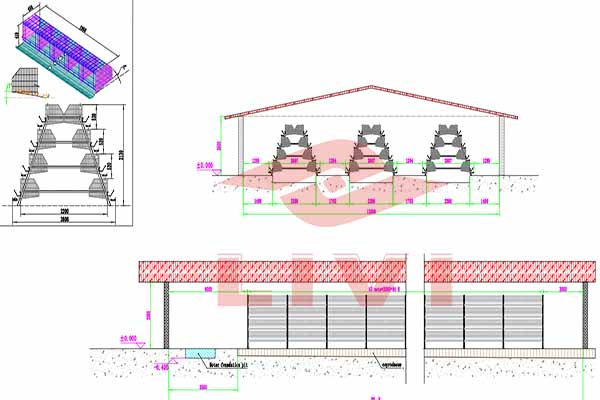
Battery Cage Farming: The Impact on Poultry Production and Welfare
The Evolution of Battery Cage Farming
Battery cage farming, a common practice in the poultry industry, has been a topic of debate regarding animal welfare and productivity. With the rise of global demand for poultry products, the use of battery cages has increased significantly.
Data from the FAO (Food and Agriculture Organization) indicates that battery cage systems were responsible for 65% of global egg production in 2020.
- Advantages:
- Increased egg production
- Reduced disease transmission
- Lower labor costs
- Disadvantages:
- Reduced bird welfare
- Increased risk of stress and aggression
- Limited genetic improvements
Alternatives to Battery Cage Farming
In response to the concerns surrounding battery cage farming, many poultry producers are turning to alternative systems. Free-range and enriched-cage systems have gained popularity for their potential to improve animal welfare.
| System | Animal Welfare | Production Cost |
|---|---|---|
| Battery Cages | Low | Low |
| Free-Range | High | High |
| Enriched Cages | Moderate | Moderate |
The Economic Impact
While battery cage farming is cost-effective, it may not be sustainable in the long run. The economic implications of alternative systems should be carefully considered by investors and farmers alike.
According to a study by the RSPCA (Royal Society for the Prevention of Cruelty to Animals), converting to an enriched cage system can result in a 5% increase in production costs.
Conclusion
Battery cage farming has been a staple in the poultry industry, but its sustainability and ethical considerations cannot be overlooked. As consumers become more aware of animal welfare, alternative systems may become more prevalent.
We invite you to share your thoughts and concerns regarding battery cage farming. For a more detailed analysis and free, no-obligation design and equipment quotes for your poultry farm, please leave a comment below or contact us directly.