How to Prevent Diseases in Poultry Farming
As a poultry farmer or investor, preventing diseases is crucial for the success and profitability of your farm. Poultry diseases can lead to significant financial losses due to increased mortality rates, reduced egg production, and decreased meat quality. In this article, we will discuss several strategies to help you maintain a healthy flock and minimize the risk of disease outbreaks.
1. Biosecurity Measures
- Sanitation: Regularly clean and disinfect poultry houses, equipment, and feed to eliminate potential pathogens.
- Employee Health: Ensure that workers maintain good personal hygiene and wear protective gear to prevent the spread of diseases.
- Controlled Access: Limit access to the farm by unauthorized individuals and vehicles to reduce the risk of introducing pathogens.
2. Vaccination Programs
Vaccination is one of the most effective ways to prevent poultry diseases. It is important to work with a veterinarian to develop a tailored vaccination program based on the specific diseases prevalent in your region and the health status of your flock.

| Disease | Vaccine | Target Age |
|---|---|---|
| Newcastle Disease | Newcastle Disease Vaccine | 1-2 weeks old |
| Infectious Bronchitis | Infectious Bronchitis Vaccine | 6-8 weeks old |
| Avian Influenza | Avian Influenza Vaccine | 4-6 weeks old |
3. Genetic Selection
Selecting disease-resistant breeds can help reduce the incidence of diseases in your flock. This approach is particularly effective for conditions like coccidiosis and Marek’s disease.
4. Proper Feeding and Nutrition
- High-Quality Feed: Provide your birds with a balanced diet to support their immune system and overall health.
- Avoid Feeding Outdated Feed: Spoiled or outdated feed can lead to food poisoning and weaken the birds’ immune system.
5. Regular Health Monitoring
Regular health checks and testing can help detect diseases early, allowing for prompt treatment and minimizing the spread within the flock.
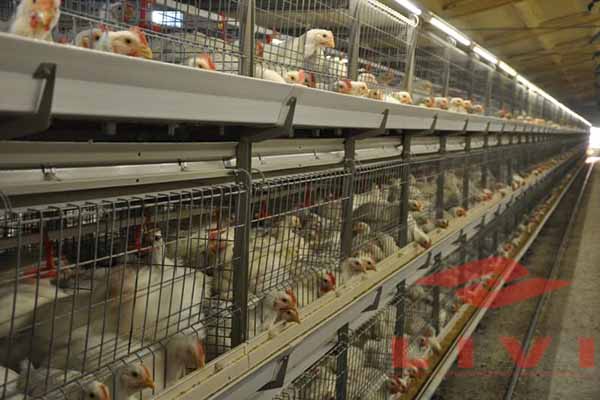
6. Environmental Control
- Air Quality: Ensure that poultry houses have good ventilation to maintain optimal air quality.
- Temperature and Humidity: Control the temperature and humidity levels in poultry houses to prevent heat stress and respiratory diseases.
By implementing these strategies, you can significantly reduce the risk of diseases in your poultry farm. If you are looking to improve your farm’s biosecurity or need guidance on disease prevention, feel free to leave a comment below or contact us for a free, customized chicken farming design plan and equipment quote.