Successful Poultry Farm Setup in Nigeria: Key Steps to Consider
Embarking on a successful poultry farm setup in Nigeria can be a lucrative venture with the right approach. Nigeria’s poultry industry has been experiencing growth, making it an attractive market for both new and existing investors. Here’s a guide to setting up a thriving poultry farm in Nigeria.
Location, Location, Location
Choosing the right location is critical. Consider the proximity to urban centers, accessibility, and land availability. Ensure that the location has a consistent water supply and a low risk of predators. Nigeria’s southeastern and south-western regions are popular for poultry farming due to their conducive climates and large demand for poultry products.
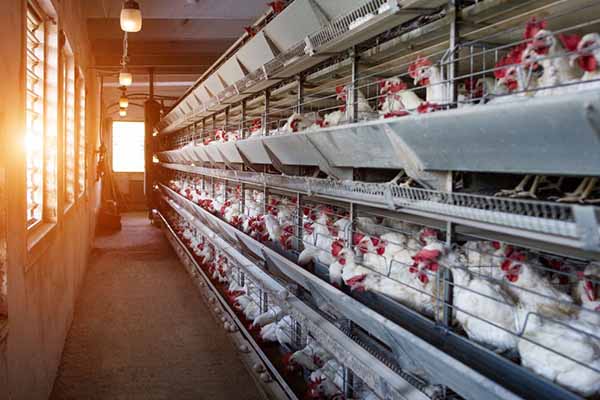
- Land Area: A minimum of 5 acres is recommended for a medium-scale farm.
- Proximity to Market: A close distance to major markets will help in minimizing transportation costs and reducing time from farm to customer.
Legal Requirements and Permits
Nigeria has specific legal requirements for poultry farming. Obtain the necessary permits from local authorities to operate legally. These include but are not limited to a business permit, a farm establishment permit, and environmental permits. Research local laws thoroughly to avoid any legal pitfalls.
- Business Plan: A detailed business plan is crucial to obtain loans and secure investment.
- Local Permits: Visit local government offices for permits specific to your state or local government area.
- Health Certificates: Obtain health certificates for the poultry to comply with animal welfare and biosecurity standards.
Flock Selection and Management
Select the right breed for your farm based on factors such as local climate, feed availability, and market demand. Commercial layers are a popular choice for their egg production capacity. Additionally, manage the flock well with regular veterinary care and vaccination programs.
- Breed Selection: Local breeds like Araka, Doyel, and Lohmann Brown are suitable for various climate conditions.
- Flock Health: Implement biosecurity measures to prevent the spread of diseases.
- Veterinary Care: Regular health checks and vaccinations are vital for disease prevention.
Feed and Nutrition
The quality of feed directly impacts the health and productivity of your poultry. Ensure a balanced diet with adequate protein, vitamins, and minerals. Use high-quality feed ingredients to improve growth rate and egg quality. Monitor feed costs as a significant part of your overhead expenses.
| Feed Component | Recommended Percentage |
|---|---|
| Protein | 16-20% |
| Fat | 3-4% |
| Fiber | 2-3% |
Capital Investment and Budgeting
Budgeting is crucial to ensure your poultry farm is financially viable. The cost of setting up a farm includes land, construction, feed, equipment, labor, and operating expenses. Plan for unforeseen events by having an emergency fund in place.
The total investment for a small-scale farm in Nigeria can range from $10,000 to $20,000, depending on scale and location. Use these projections to apply for loans or attract investors.
Conclusion: Establishing a successful poultry farm in Nigeria requires careful planning, compliance with legal requirements, and a focus on sustainable farming prac tices. With the right strategy, your poultry farm can become a profitable business in one of the world’s fastest-growing poultry markets.
Would you like to explore your poultry farm setup further? Contact us today for a free poultry design and equipment quotation from LIVI Mechanical.
Need more information? Leave us a message.