Battery System Integration in Poultry Farming: Enhancing Efficiency and Productivity
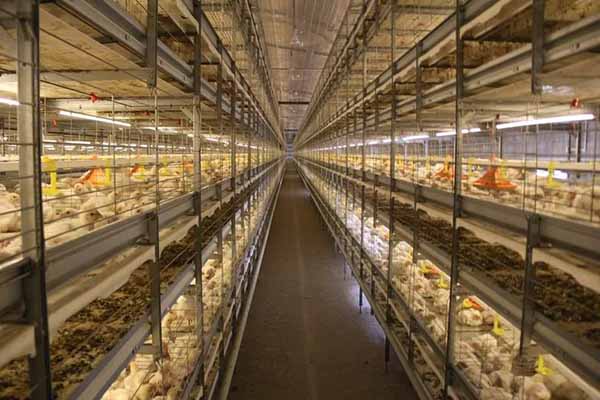
Battery systems have revolutionized the poultry farming industry, offering a more efficient and productive way to manage chicken houses. This article explores the benefits of integrating battery systems into poultry farming operations, including improved animal welfare, reduced labor costs, and enhanced biosecurity. Let’s dive into the details.
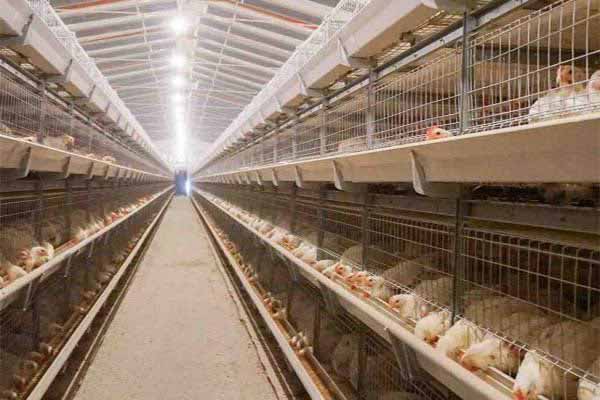
Benefits of Battery Systems in Poultry Farming
- Improved Animal Welfare: Battery systems provide controlled environments that are conducive to the health and well-being of chickens. With precise temperature, humidity, and air quality control, birds can thrive in optimal conditions.
- Reduced Labor Costs: Automation in battery systems minimizes the need for manual labor, leading to significant cost savings over time. Tasks such as feeding, watering, and monitoring can be automated, allowing farm workers to focus on more critical activities.
- Enhanced Biosecurity: The enclosed nature of battery systems reduces the risk of disease transmission from wild birds and other external factors. This results in healthier flocks and fewer outbreaks of poultry diseases.
- Increased Productivity: By providing a stable environment, battery systems contribute to higher egg production rates and better meat quality, resulting in increased revenue for farmers.
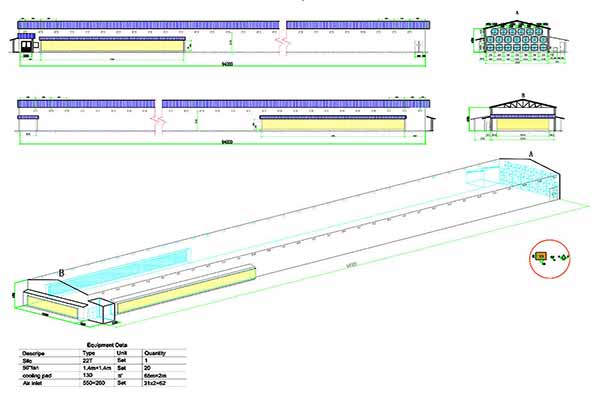 Implementation of Battery Systems
Implementing battery systems in poultry farming requires careful planning and consideration of several factors:
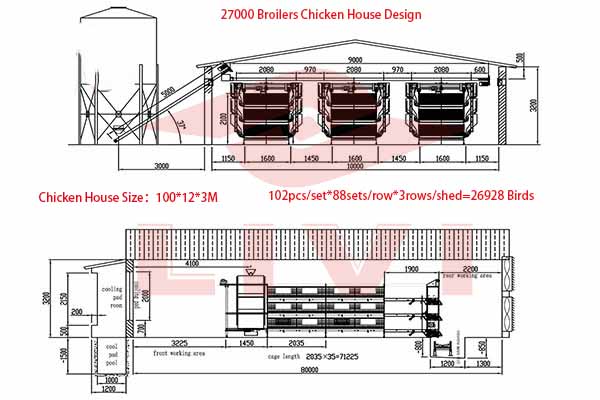
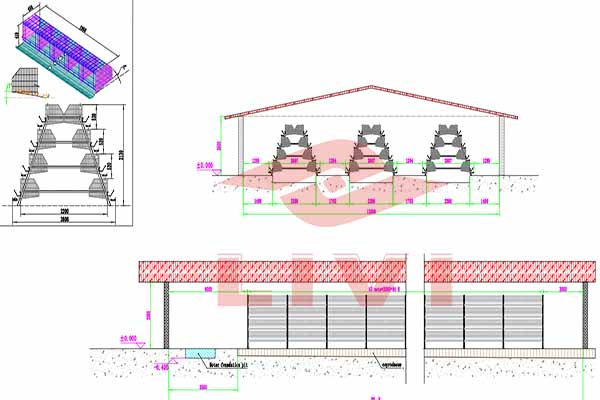
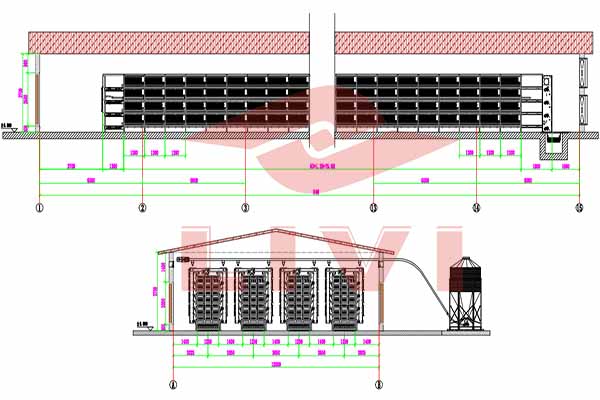
- Design and Layout: The layout should be designed to maximize space efficiency while ensuring easy access for maintenance and cleaning. It’s essential to consider the number of chickens per battery, spacing, and overall size of the facility.
- Environmental Control: The system should include automated systems for temperature, humidity, and air quality management to create an ideal environment for the chickens.
- Feeding and Watering Systems: Automated feeding and watering systems ensure that chickens receive the correct amount of nutrients and water, contributing to their health and productivity.
- Monitoring and Control: Incorporating advanced monitoring and control systems allows farmers to remotely manage the battery systems, providing real-time data and alerts for any potential issues.
Conclusion
Integrating battery systems into poultry farming can significantly enhance efficiency and productivity. By providing a controlled environment, reducing labor costs, and improving biosecurity, battery systems are becoming an essential component of modern poultry farming operations.
Are you considering integrating battery systems into your poultry farm? If so, we would love to hear from you. Leave a comment below or contact us for a free, no-obligation consultation on our LIVI mechanical chicken farming design and equipment quotes.