How to Set Up a Modern Cage System for 95,000 Chickens in Ghana
As the poultry industry in Ghana continues to grow, many farmers and investors are seeking efficient and scalable solutions to maximize their chicken farming operations. Setting up a modern cage system for 95,000 chickens requires careful planning and the right equipment. In this article, we will guide you through the essential steps to establish a state-of-the-art chicken farming facility.
1. Planning and Designing the Facility
Before you begin, it is crucial to have a detailed plan and design for your facility. Consider the following factors:
- Location: Choose a suitable location with good access to transportation, water, and electricity.
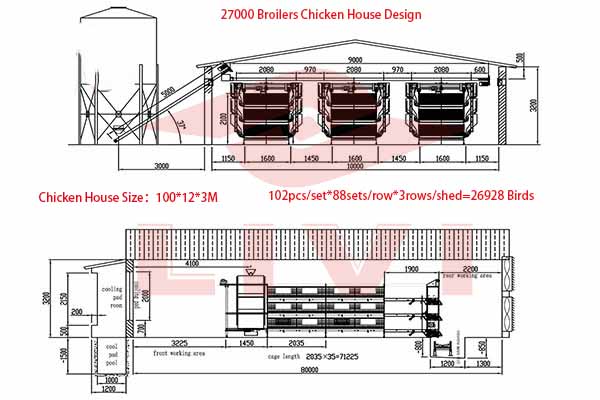
- Size: Calculate the required space based on the number of chickens (95,000). Allocate at least 0.5 square meters per chicken.
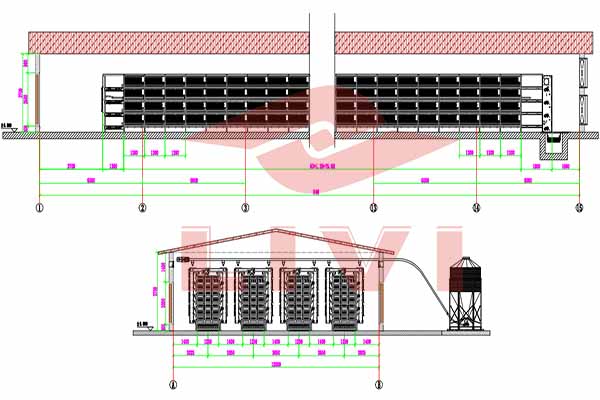
- Layout: Design a layout that maximizes space and minimizes stress on the chickens. Include areas for feeding, drinking, and waste management.
2. Selecting the Right Cage System
For a modern cage system, consider the following options:
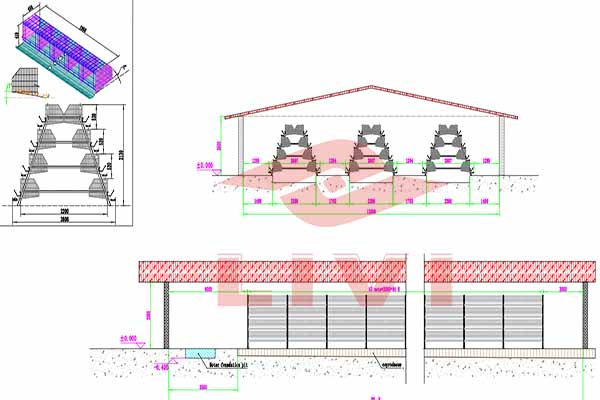
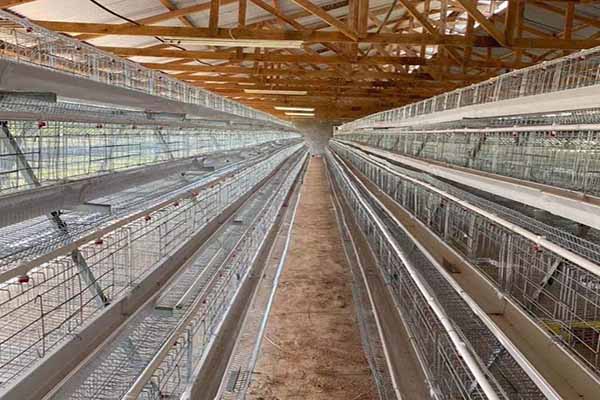
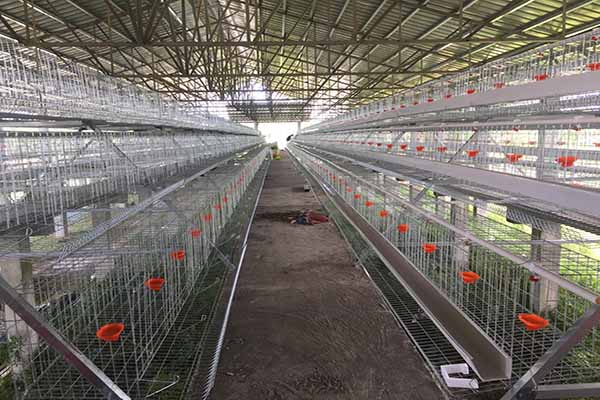
- Vertical Cages: Ideal for high-density farming, these cages provide ample space for each chicken while keeping them confined.
- Horizontal Cages: Suitable for smaller farms, these cages are more space-efficient and easier to manage.
Select a cage system that meets your specific needs and budget. Ensure that the cages are made of high-quality materials to withstand the harsh conditions in Ghana.
3. Installing Essential Equipment
Equipping your facility with the right tools is essential for a successful operation. Here are some key equipment items:
- Feeding System: Automated feeding systems can help ensure that the chickens receive adequate nutrition at regular intervals.
- Watering System: Provide access to clean, fresh water at all times to maintain the chickens’ health.
- Ventilation System: Proper ventilation is crucial for maintaining a healthy environment for the chickens.
- Temperature Control: Use fans and heaters to maintain an optimal temperature for the chickens.
4. Implementing Biosecurity Measures
Biosecurity is essential to prevent diseases and maintain the health of your chickens. Implement the following measures:
- Sanitation: Regularly clean and disinfect the facility and equipment.
- Staff Training: Train your staff on biosecurity protocols to minimize the risk of disease transmission.
- Isolation Areas: Create designated areas for incoming and outgoing birds to prevent the spread of disease.
5. Monitoring and Management
Regularly monitor your chickens and facility to ensure optimal performance. Keep track of the following parameters:
- Feed Conversion Ratio (FCR): Evaluate the efficiency of your feeding system.
- Bird Performance: Monitor growth rates and overall health of the chickens.
- Waste Management: Ensure proper disposal of chicken waste to minimize environmental impact.
By following these steps, you can set up a modern cage system for 95,000 chickens in Ghana. F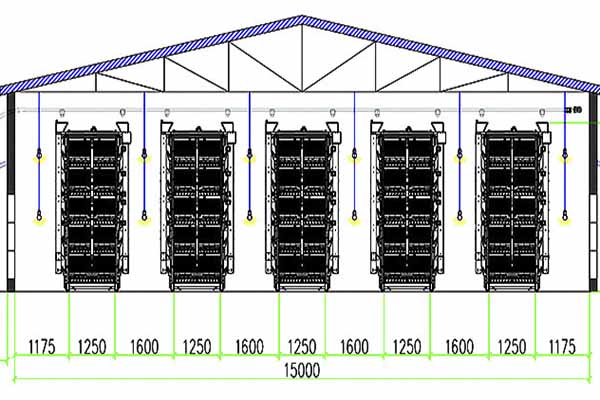 or more information and a free chicken farming design and equipment quote, please leave a comment below or contact us at livi-mechanical.com.