How to Start a Poultry Farming Business: A Comprehensive Guide
1. Market Research and Feasibility Study
Before starting a poultry farming business, it’s crucial to conduct thorough market research and feasibility study. This involves understanding the demand for poultry products in your target market, analyzing competitors, and assessing the financial viability of the venture.
– Conduct a market survey to determine the demand for different poultry products.
– Analyze competitors’ strengths and weaknesses.
– Prepare a comprehensive business plan with financial projections.
2. Selecting the Right Location
Choosing the right location is essential for the success of your poultry farming business. Consider the following factors:
– Proximity to your target market for easy distribution.
– Availability of a reliable water supply.
– Access to transportation for easy logistics.
– Adequate space for expansion.
3. Choosing the Right Poultry Species
Decide on the type of poultry you want to raise, considering factors like market demand, feed availability, and growth rate.
– Chickens are the most common choice, but you may also consider ducks, turkeys, or geese.
– Research the growth rate and productivity of each species.
– Ensure the chosen species are suitable for your climate and local regulations.
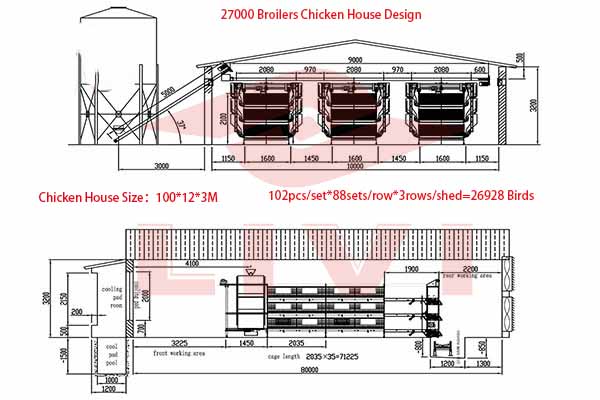
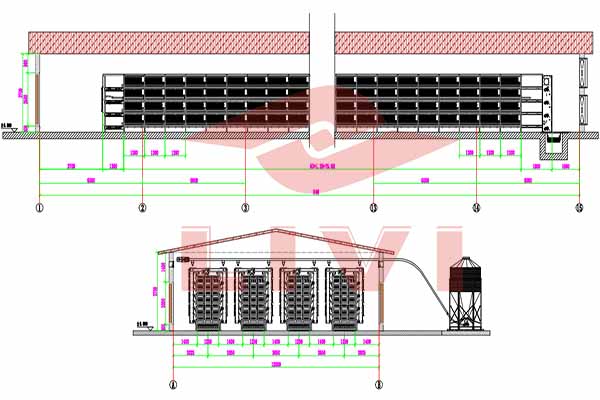
4. Building the Poultry House
Constructing a well-designed poultry house is vital for the health and productivity of your flock.
– Ensure the house provides adequate ventilation and lighting.
– Implement a reliable water and electricity supply.
– Use appropriate flooring materials to maintain hygiene.
5. Equipment and Infrastructure
Invest in the necessary equipment and infrastructure to run your poultry farming business efficiently.
– Purchase high-quality feeders, waterers, and incubators.
– Implement biosecurity measures to prevent disease outbreaks.
– Consider automation and technology to improve productivity.
6. Feeding and Management
Proper feeding and management are crucial for the growth and health of your poultry.
– Provide a balanced diet based on the species and age of your flock.
– Monitor their health regularly and treat any diseases promptly.
– Implement biosecurity measures to prevent disease outbreaks.
7. Marketing and Sales
Develop a solid marketing strategy to promote your poultry products and increase sales.
– Establish relationships with local restaurants, grocery stores, and distributors.
– Utilize social media and online platforms to reach a wider audience.
– Offer competitive pricing and discounts to attract customers.
8. Financial Planning and Monitoring
Monitor your financial performance regularly and make necessary adjustments to ensure profitability.
– Keep detailed records of all financial transactions.
– Track expenses, revenue, and profit margins.
– Adjust your business strategy based on financial performance.
9. Expansion and Scaling
As your business grows, consider expanding and scaling your poultry farming operation.
– Invest in additional facilities and equipment.
– Hire skilled personnel to manage your growing operation.
– Explore new markets and products to increase revenue.
10. Seek Professional Advice
Consult with poultry farming experts and industry professionals to ensure the success of your business.
– Attend seminars, workshops, and training programs.
– Seek advice from experienced poultry farmers.
– Consider hiring a consultant to help with business planning and operations.
Conclusion
Starting a poultry farming business requires careful planning, research, and execution. By following these steps and seeking professional advice, you can increase your chances of success. If you’re ready to embark on this exciting venture, contact us at LIVI Machinery for a free poultry farming design plan and equipment quote.