Optimizing Layer Cage Size for Enhanced Chicken Farm Efficiency
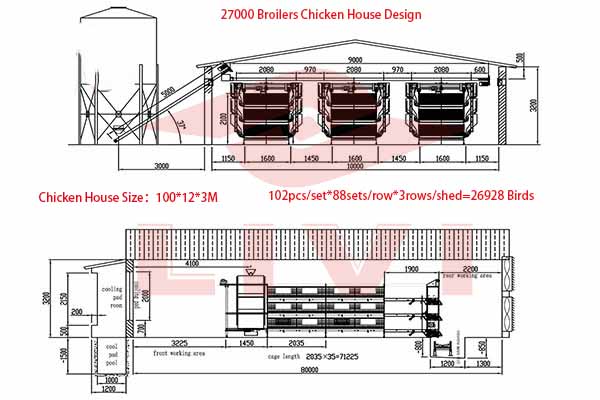
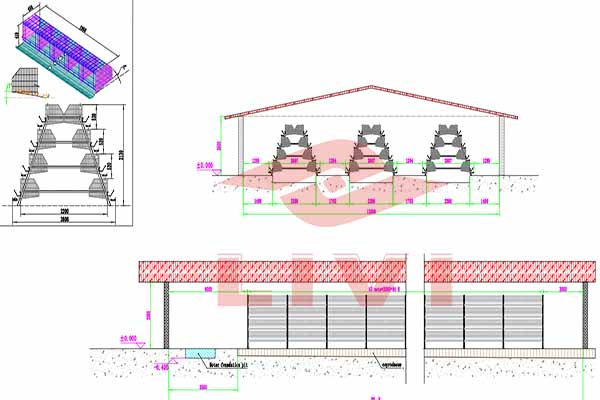
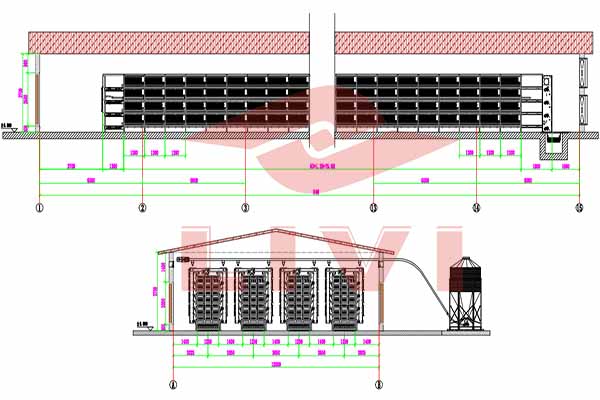
Effective layer cage design is crucial for maximizing productivity and welfare in the poultry industry. One key factor to consider is the cage size. This article delves into the importance of layer cage size and its impact on the overall farm efficiency.
Why Layer Cage Size Matters
Properly sized cages can significantly influence the health, productivity, and egg quality of laying hens. Here are some key points to consider:
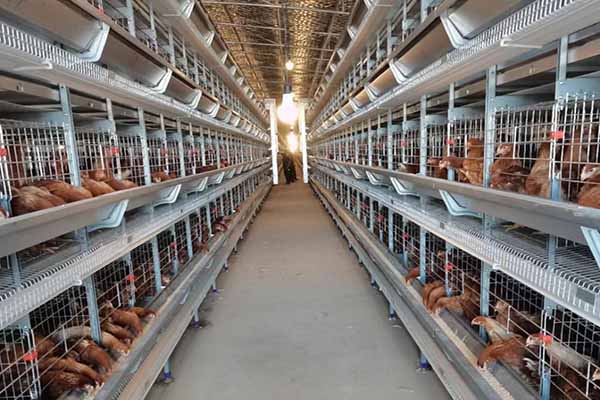
- Health and Welfare: Adequate space allows hens to move around freely, reducing stress and the risk of foot injuries.
- Productivity: Studies have shown that increasing cage size can lead to a higher egg production rate.
- Egg Quality: Larger cages can result in eggs with fewer cracks and a more consistent size.
Recommended Layer Cage Sizes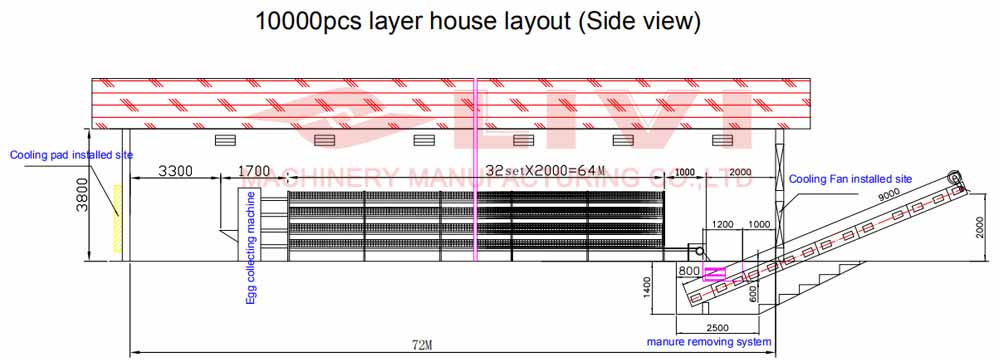
According to the National Chicken Council, the following cage sizes are generally recommended for different breeds of laying hens:
| Breed | Minimum Cage Size (sq. in.) |
|---|---|
| White Leghorn | 54 |
| Brown Leghorn | 60 |
| Red Sex Link | 68 |
Implementing Layer Cage Size in Your Farm
When implementing layer cage size in your farm, consider the following steps:
- Assess Your Farm Needs: Evaluate the number of hens and the space available in your farm.
- Select the Right Cage: Choose cages that meet the recommended size for your breed of hens.
- Regular Maintenance: Ensure that the cages are well-maintained to keep the hens healthy and comfortable.
Investing in the right layer cage size can lead to substantial benefits for your chicken farm. If you need assistance with designing your farm or selecting the appropriate equipment, don’t hesitate to contact us.
Leave a comment or contact us to get a free chicken farm design and equipment quote from Livi Mechanical.