Poultry Industry Challenges and Solutions: Navigating the Road to Success
Introduction to the Poultry Industry
The poultry industry plays a vital role in global food security, providing a significant source of protein for millions. However, like any other industry, it faces numerous challenges that can impact productivity and profitability. This article explores the key challenges faced by the poultry industry and presents potential solutions to address these issues.
Challenges in the Poultry Industry
- Avian Influenza and Other Diseases
- Feeding and Nutrition
- Climate Change and Environmental Impact
- Market Volatility
Avian influenza and other diseases can spread rapidly through poultry populations, leading to significant financial losses. According to the FAO, poultry production losses due to avian influenza in 2016 were estimated at $1.2 billion.
Optimizing the diet for poultry is crucial for their growth and health. However, feed costs account for a significant portion of the production expenses. The Alltech Global Feed Survey reported that feed costs represented approximately 70% of the total cost of poultry production in 2020.
Climate change affects poultry production through various means, including changes in disease prevalence and feed availability. Additionally, the poultry industry is under pressure to reduce its environmental footprint, with a focus on waste management and emissions control.

Market volatility can significantly impact poultry producers. Fluctuations in feed prices, consumer demand, and exchange rates can lead to uncertainty and financial instability.
Solutions to Overcome Poultry Industry Challenges
- biosecurity Measures
- Advanced Nutrition and Feed Efficiency
- Renewable Energy and Sustainable Practices
- Market Risk Management
Implementing robust biosecurity measures can significantly reduce the risk of disease outbreaks. This includes strict sanitation protocols, isolation of new arrivals, and regular monitoring of flock health.
Investing in research and development of advanced nutrition strategies can improve feed efficiency and reduce costs. This may involve using precision feeding systems or exploring alternative feed sources.
Transitioning to renewable energy sources and adopting sustainable practices can help reduce the environmental impact of poultry production. This could include the use of biogas for energy production or the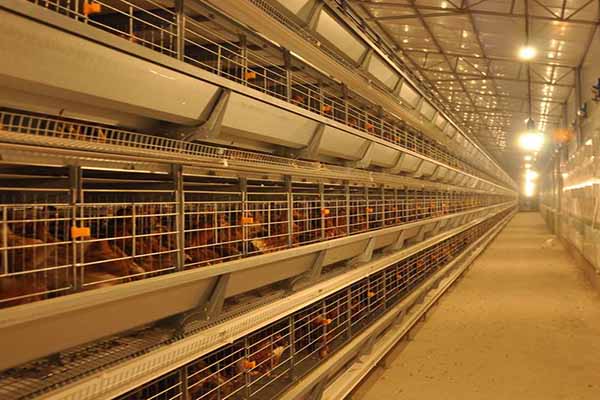 implementation of waste-to-energy systems.
Developing strategies to manage market risks, such as forward contracts for feed and poultry, can help stabilize revenue streams and protect against market volatility.
Conclusion
The poultry industry faces numerous challenges, but with the right strategies and solutions, these can be effectively managed. By focusing on biosecurity, advanced nutrition, sustainable practices, and market risk management, poultry producers can ensure a more stable and profitable operation.
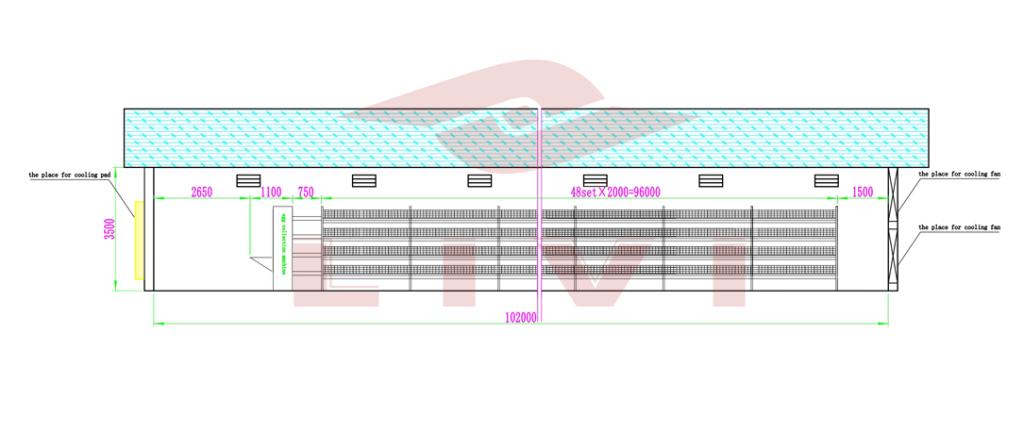
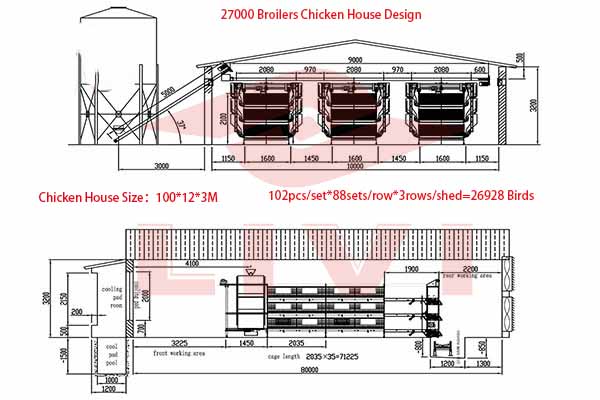
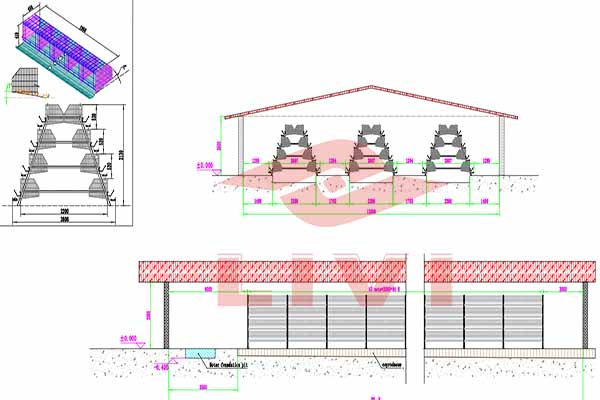
If you are a poultry producer or investor looking to enhance your operations, contact us at LIVI Machinery for a free poultry farm design plan and equipment quotation. Let us help you navigate the challenges and opportunities in the poultry industry.