Sustainable Chicken Farming Practices: The Future of Poultry Production
Introduction to Sustainable Chicken Farming
In recent years, sustainable farming practices have gained significant attention, especially in the poultry industry. As concerns over environmental impact and animal welfare continue to rise, adopting sustainable chicken farming practices has become a necessity. This article explores key sustainable practices that can improve the efficiency and profitability of chicken farming operations.
1. Efficient Feeding Strategies
Efficient feeding is crucial in sustainable chicken farming. The right diet can reduce feed costs, minimize waste, and enhance the overall health of the chickens. According to a study by the FAO, adopting a well-balanced diet can increase feed conversion ratio (FCR) by up to 15%.
- Utilize locally sourced feed ingredients
- Optimize feed formulation for different stages of growth
- Implement feed storage and waste management systems
2. Environmentally Friendly Housing
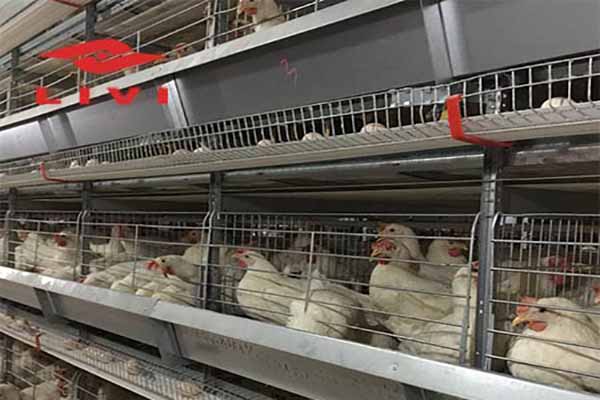
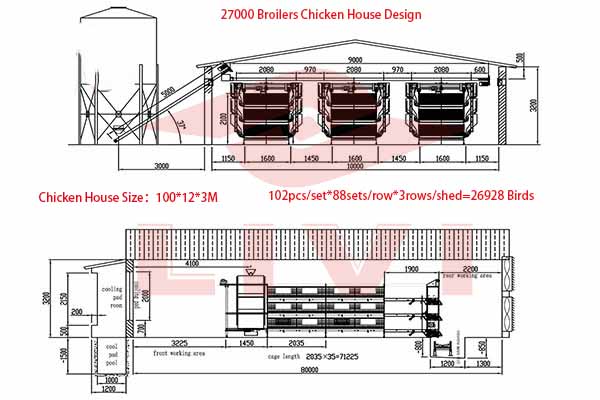
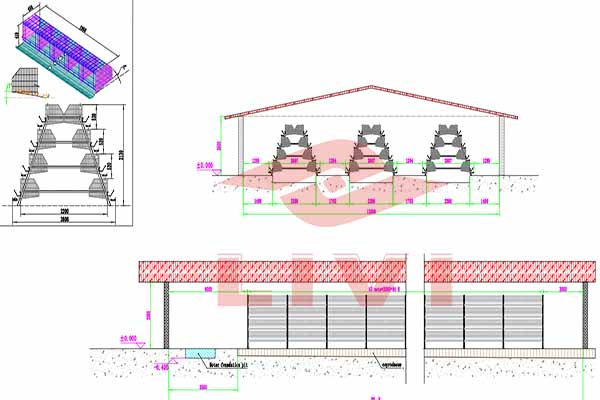
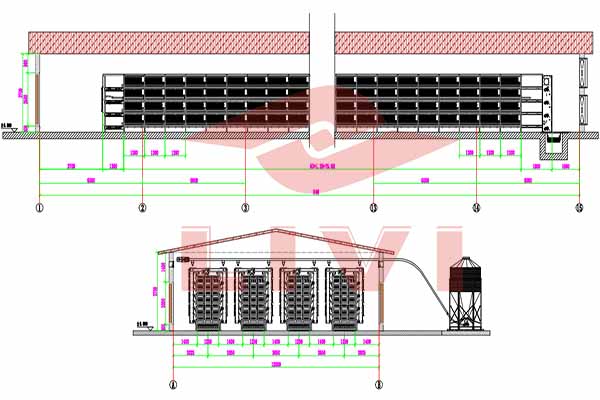
Proper housing design plays a vital role in sustainable chicken farming. Well-ventilated and properly designed housing facilities can improve the health and well-being of chickens, reduce the spread of diseases, and lower energy consumption.
| Factor | Description | Benefits |
|---|---|---|
| Insulation | Insulating the housing can reduce energy use for heating and cooling | Decreased greenhouse gas emissions, reduced operating costs |
| Airflow | Optimizing airflow for temperature and humidity control | Improved animal welfare, reduced respiratory diseases |
3. Waste Management
Effective waste management is essential in sustainable chicken farming. Properly managing chicken waste can reduce environmental pollution and create valuable resources, such as bioenergy and organic fertilizer.
- Implement on-farm composting or biogas systems
- Use waste as a soil amendment or bioenergy source
- Minimize water usage in waste treatment processes
4. Health Management and Biosecurity
Good health management and biosecurity practices can minimize the use of antibiotics and reduce the risk of disease outbreaks in chicken farms.
- Regular veterinary checks and vaccinations
- Segregation of chickens by age and health status
- Implement strict biosecurity protocols
Conclusion
Sustainable chicken farming practices are essential for the future of poultry production. By implementing these practices, farmers can improve efficiency, reduce costs, and minimize their environmental footprint.
For more information on sustainable chicken farming and to get a free design plan and equipment quote for LIVI mechanical systems, please leave a comment below or contact us directly.