What is the Difference Between Deep Litter and Cage System in Poultry Farming?
Introduction
Poultry farming is a vital industry that requires careful consideration of various factors, including the housing system for chickens. Two popular methods are the deep litter system and the cage system. This article aims to highlight the key differences between these two systems, helping poultry farmers and investors make informed decisions.
Deep Litter System
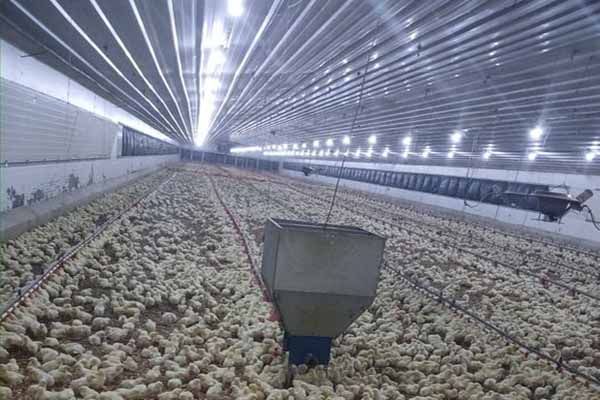
The deep litter system involves spreading a thick layer of organic material, such as wood shavings, on the floor of the poultry house. This system has several advantages:
–
- Improved biosecurity: The deep litter system reduces the risk of disease transmission between birds.
- Comfort: The deep litter provides a softer, more comfortable environment for the chickens.
- Reduction in ammonia levels: The deep litter helps to absorb ammonia gas, reducing respiratory issues in chickens.
However, there are some disadvantages to consider:
–
- High initial investment: The deep litter system requires a substantial amount of organic material and infrastructure.
- More labor-intensive: The system requires regular cleaning and replenishment of the litter material.
Cage System
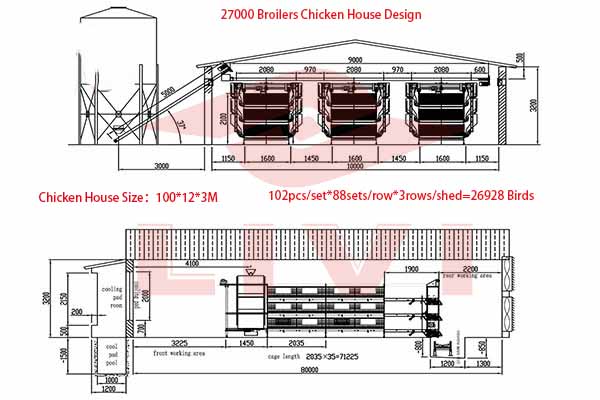
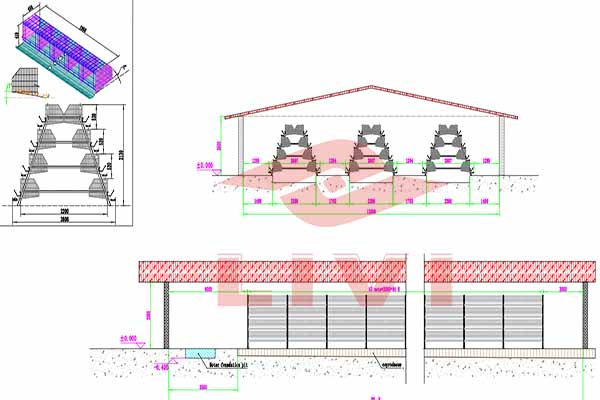
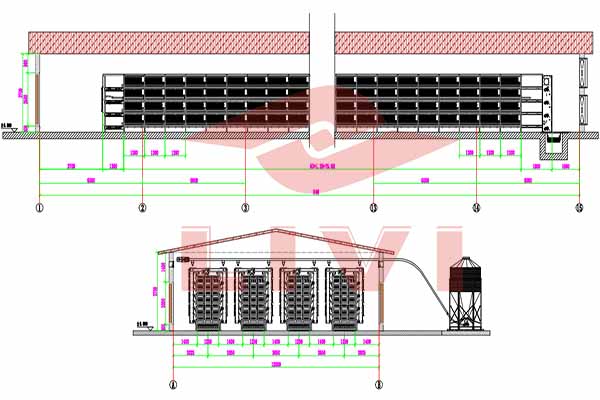
In contrast, the cage system involves raising chickens in individual cages or pens. This system has its own set of advantages and disadvantages:
–
- Higher production rates: The cage system often results in higher egg production compared to the deep litter system.
- Lower disease risk: The closed environment of the cage system reduces the likelihood of disease transmission.
- Reduced labor: The cage system requires less frequent cleaning and litter replenishment.
However, there are also drawbacks:
–
- Lower biosecurity: The enclosed nature of the cages can lead to increased ammonia levels and respiratory issues.
- Lower comfort: The chickens may experience less comfort due to the limited space and lack of a deep litter environment.
Conclusion
Both the deep litter and cage systems have their advantages and disadvantages. The choice between the two largely depends on the specific needs and goals of the poultry farmer or investor. It is essential to consider factors such as initial investment, labor requirements, and disease risk when selecting the appropriate system for your farm.
For more information on choosing the right poultry farming system for your business, contact us at Livi Mechanical. We offer free poultry farming design plans and equipment quotes to help you get started on the right foot.