Guide to Building a Modern Chicken Farm
Understanding the Modern Chicken Farming Industry
The modern chicken farming industry has evolved significantly over the years, with advances in technology and management practices leading to increased efficiency and profitability. As a poultry farmer or investor, understanding the key aspects of building a modern chicken farm is crucial for success. This guide will outline the essential steps and considerations for establishing a state-of-the-art poultry operation.
1. Market Research and Planning
Before embarking on the construction of a modern chicken farm, it is vital to conduct thorough market research. This involves:
- Assessing the demand for poultry products in your target market.
- Understanding the competition and identifying your unique selling points.
- Estimating the initial investment and ongoing operational costs.
A comprehensive business plan should be developed to ensure a clear vision for the farm’s future and to guide decision-making.
2. Location and Site Selection
The location of your chicken farm plays a critical role in its success. Consider the following factors when selecting a site:
- Proximity to your target market for efficient product distribution.
- Availability of a reliable source of water and electricity.
- Access to transportation infrastructure for logistics.
- Land size and topography suitable for the intended farm layout.
According to the FAO, the average global feed conversion ratio for broiler chickens is around 1.9. Efficient feed management is crucial for maintaining this ratio and maximizing profits.
3. Farm Design and Layout
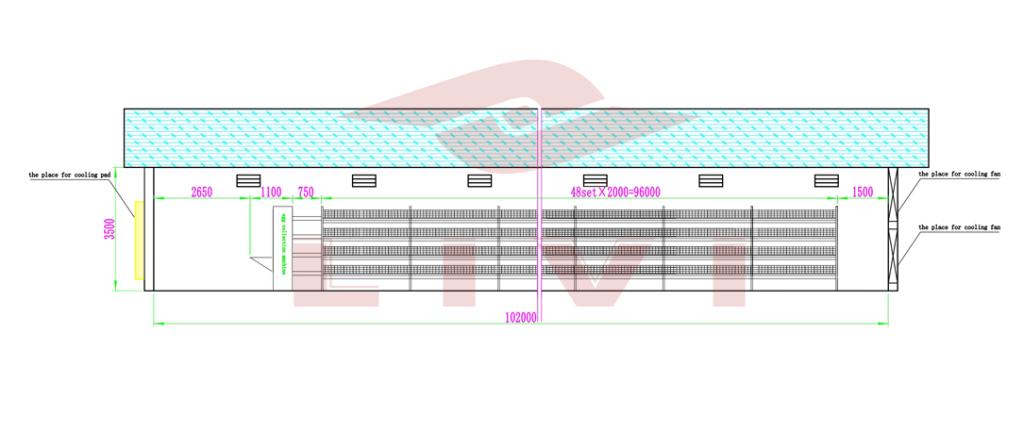
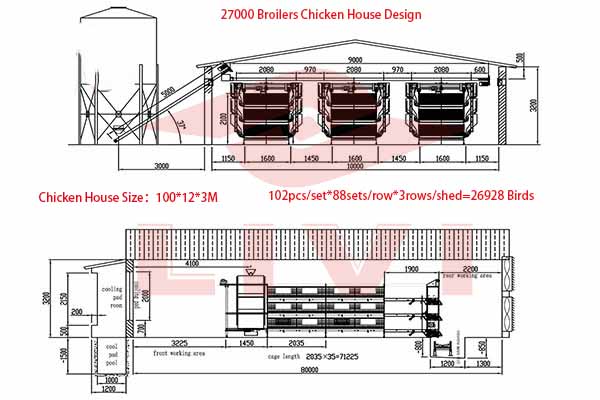
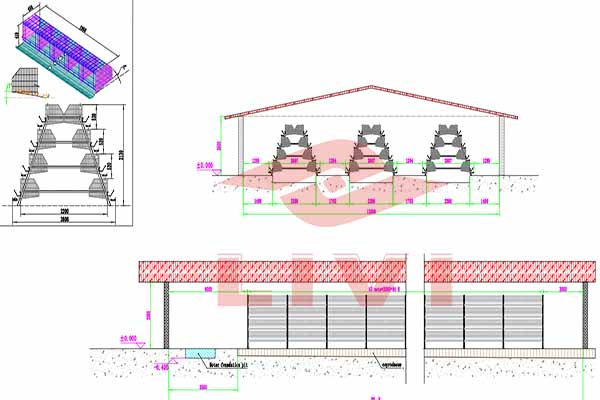
A well-designed farm layout ensures optimal space utilization and minimizes the risk of disease transmission. Key components of a modern chicken farm include:
- Brooder houses for chicks.
- Caging systems for adult chickens.
- Feeding and watering systems.
- Manure management facilities.
- Equipment storage and maintenance areas.
The design should also incorporate biosecurity measures to protect the flock from diseases.
4. Equipment and Technology
Investing in modern equipment and technology can significantly improve the efficiency and profitability of your chicken farm. Consider the following:
- Automated feeding and watering systems.
- Environmental control systems to regulate temperature and humidity.
- Intelligent monitoring systems for real-time flock management.
- Robust biosecurity measures to minimize disease risks.
The use of automation can lead to labor savings and improved production rates.
5. Environmental Compliance and Sustainability
Complying with environmental regulations is crucial for the long-term success of your chicken farm. This includes:
- Implementing proper waste management systems.
- Adopting energy-efficient practices.
- Ensuring the sustainability of water resources.
According to the EPA, poultry waste management is a significant environmental concern, with approximately 2.5 billion pounds of manure produced annually in the United States alone.
6. Human Resources and Training
Hiring skilled and motivated staff is essential for the successful operation of your chicken farm. Provide ongoing training to ensure your team is up-to-date with the latest best practices in poultry farming.
Conclusion
Building a modern chicken farm requires careful planning, strategic investments, and a commitment to sustainability. By following this guide and seeking professional advice when needed, you can establish a successful and profitable poultry operation.
If you are considering starting a chicken farm or have any questions about the process, feel free to leave a comment below. Our team at LIVI Machinery is here to assist you with free chicken farm design plans and equipment quotes. Contact us today!