Optimizing Chicken Farming with the Hybrid Cage Rearing Method
As the demand for chicken meat continues to grow, poultry farmers are always on the lookout for innovative and efficient rearing methods. One such method is the hybrid cage rearing method, which has gained popularity due to its ability to combine the benefits of traditional and modern chicken farming techniques.
The Basics of Hybrid Cage Rearing
The hybrid cage rearing method involves using a combination of free-range and confined spaces. Chickens are raised in a controlled environment, which allows for easier monitoring and management, but they also have access to outdoor areas where they can forage for food and exercise.

Key Benefits of the Hybrid Cage Rearing Method
- Enhanced Growth Rates: Chickens raised using the hybrid method tend to have higher growth rates than those in traditional confinement systems. According to a study published in Journal of Animal Science and Technology, the average growth rate for chickens reared in a hybrid setup was 14.2% higher than in traditional systems.
- Better Health and Welfare: By allowing chickens to move around and engage in natural behaviors, the hybrid method contributes to improved animal welfare. This leads to healthier birds and, subsequently, better productivity.
- Reduced Antibiotic Use: The controlled environment of the hybrid method minimizes the need for antibiotics, reducing the risk of antibiotic resistance.
Implementing the Hybrid Cage Rearing Meth od
od
Implementing the hybrid cage rearing method involves careful planning and investment. Below is a checklist to help you get started:
- Site Selection: Choose a suitable location that offers a balance between indoor and outdoor space.
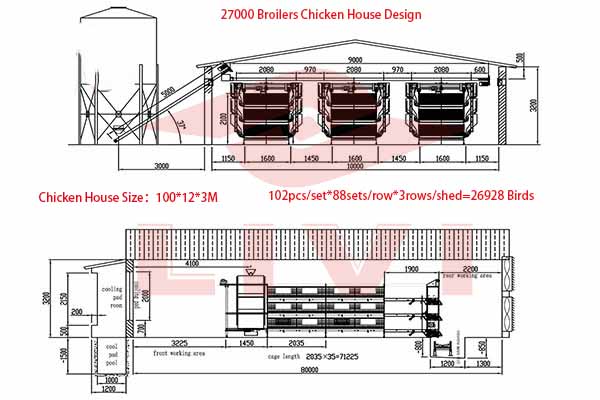
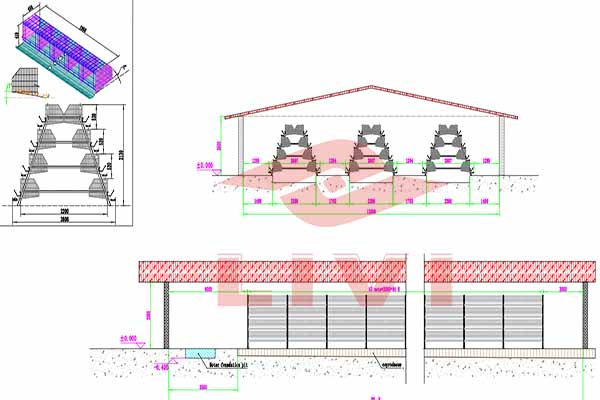
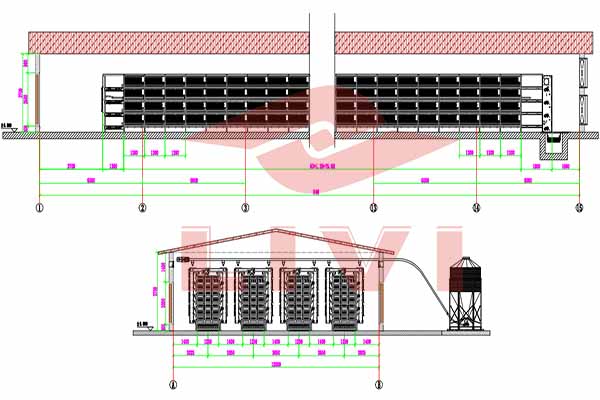
- Cage Design: Invest in high-quality cages that are easy to clean and maintain.
- Feeding System: Install an automated feeding system that provides the right balance of nutrients to the chickens.
- Environmental Control: Implement an environmental control system to maintain optimal temperatures and humidity levels.
- Health Monitoring: Regularly monitor the health and well-being of the chickens.
Economic Considerations
The initial investment for a hybrid cage rearing setup is higher compared to traditional systems. However, the long-term benefits, such as improved growth rates, better animal welfare, and reduced antibiotic use, can lead to increased profitability. According to a report by the FAO, the adoption of the hybrid cage rearing method can lead to a 25% increase in revenue for poultry farmers.
Table: Economic Comparison of Hybrid vs. Traditional Rearing Systems

| Aspect | Traditional | Hybrid |
|---|---|---|
| Initial Investment | $10,000 | $15,000 |
| Operating Costs | $6,000 | $5,500 |
| Profit | $8,000 | $12,500 |
Conclusion
Transitioning to the hybrid cage rearing method can significantly improve the productivity and profitability of your chicken farm. As an expert in the poultry industry, Livi Machinery can provide you with the necessary equipment and expertise to implement this method successfully.
For more information and to request a free, tailored chicken farming design and equipment quote, please leave a comment below. Our team is ready to assist you in taking your farm to the next level.