Better Egg Production with the Right Battery Cage for Egg Laying Hens
Improving the living conditions of egg-laying hens is crucial for the success of any poultry farm. A well-designed battery cage system can significantly enhance egg production, animal welfare, and overall farm efficiency. In this article, we will discuss the importance of choosing the right battery cage for egg-laying hens and how it can impact your farm’s profitability.
Understanding Battery Cages for Egg Laying Hens
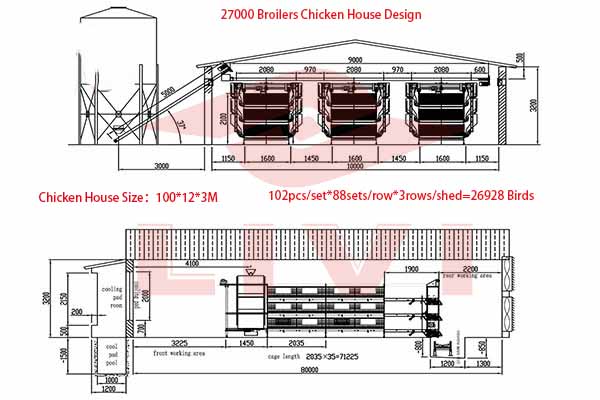
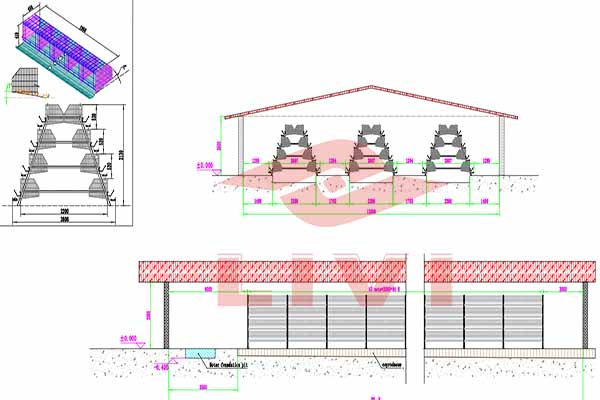
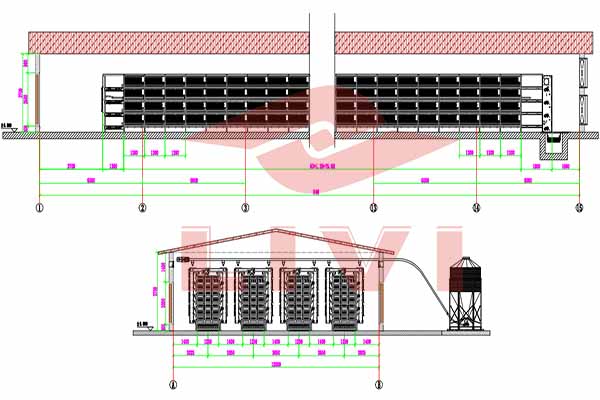
Battery cages are designed to house egg-laying hens in a way that optimizes space and productivity. These cages typically consist of a frame, a solid base, and a grated floor to prevent hens from soiling the eggs. Battery cage systems can range from simple, single-tiered setups to multi-tiered, automated systems that can handle thousands of hens.
Key Considerations for Battery Cages
- Size and Spacing: Hens require enough space to move around comfortably. The standard size for a battery cage is 16-18 inches long, 12-14 inches wide, and 12-14 inches high. Ensure the spacing between cages allows for easy access and maintenance.
- Material: High-quality steel or galvanized metal is recommended for durability and resistance to corrosion. This ensures the longevity of the cage and reduces maintenance costs.
- Ventilation: Adequate ventilation is crucial for maintaining a healthy environment. Ensure that the cage design promotes air circulation and minimizes the risk of ammonia buildup.
- Water and Feed Access: Easy access to water and feed is essential for the hens’ health and productivity. The design of the cage should facilitate quick and easy feeding and watering.
- Accessibility: A well-designed battery cage system should be easy to clean and maintain, reducing the risk of disease and increasing productivity.
Benefits of High-Quality Battery Cages
Investing in high-quality battery cages can lead to several benefits for your poultry farm:

- Increased Egg Production: A comfortable and well-designed battery cage system can help hens lay more eggs per day.
- Improved Animal Welfare: Properly designed cages ensure that hens have enough space to move around, reducing stress and injury.
- Reduced Disease Risk: A well-maintained cage system can help prevent the spread of disease, leading to healthier hens and lower vet bills.
- Increased Efficiency: Automated systems can help manage large flocks with ease, reducing labor costs and increasing overall farm efficiency.
Case Study: The Impact of Battery Cages on Egg Production
In a recent study, a poultry farm that upgraded its battery cage system from a basic to an automated setup experienced a 15% increase in egg production. The improved conditions also resulted in a 10% decrease in mortality rates and a 20% reduction in labor costs.
Conclusion
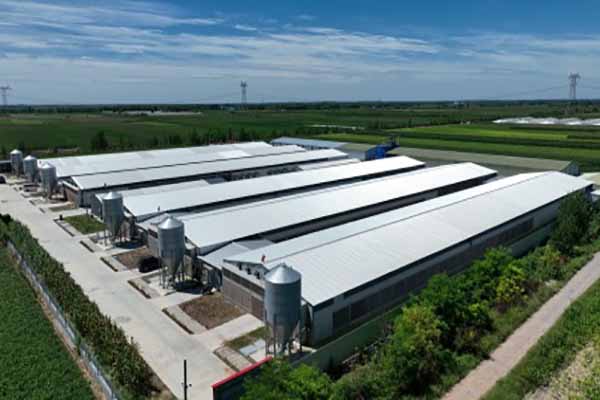
Choosing the right battery cage for egg-laying hens is a critical decision for any poultry farm. By considering the size, material, ventilation, and ov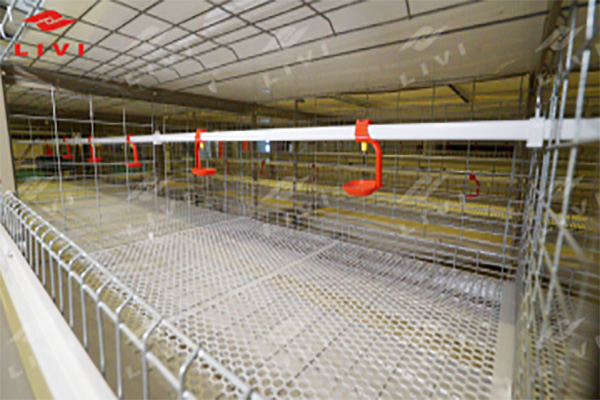 erall design of the cage, you can improve egg production, animal welfare, and farm efficiency. Contact us today to learn more about our high-quality battery cage systems and how they can benefit your farm. Get a free, customized chicken farming design and equipment quote from Livi Mechanical.