Chicken Coop Modifications for Cold Climates: Enhancing Your禽舍 Performance
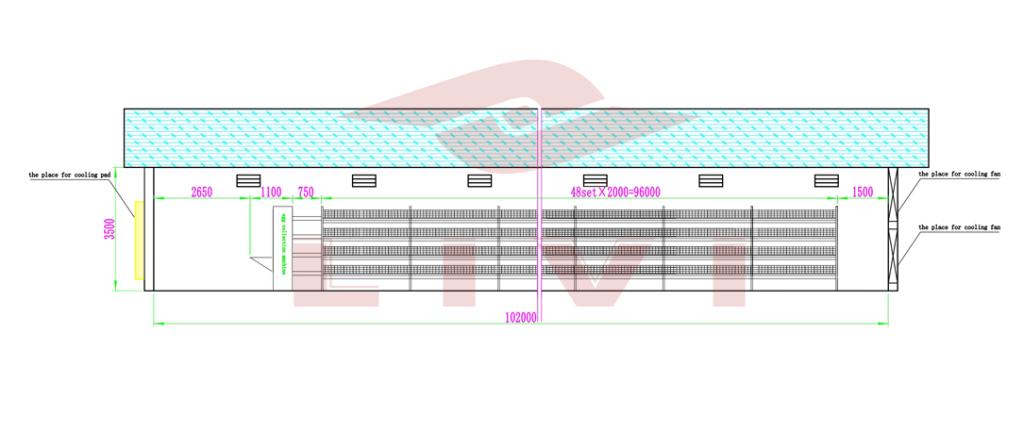
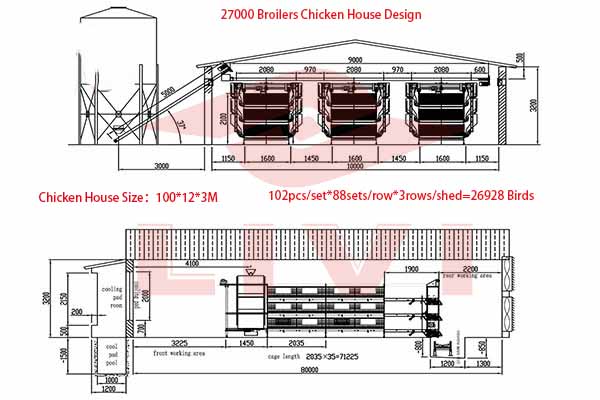
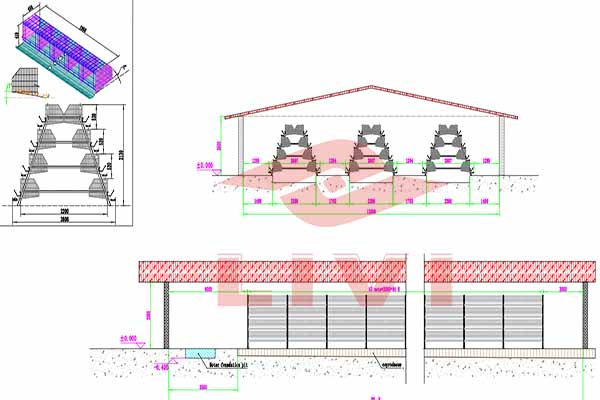
In cold climates, the challenge for chicken coop owners and investors lies in ensuring the comfort and productivity of their poultry. Effective modifications to your chicken coop can significantly impact the well-being of your flock. Below, we outline key modifications that can be made to improve your chicken coop’s performance in cold conditions.
1. Insulation: Keeping the Coop Warm and Cozy
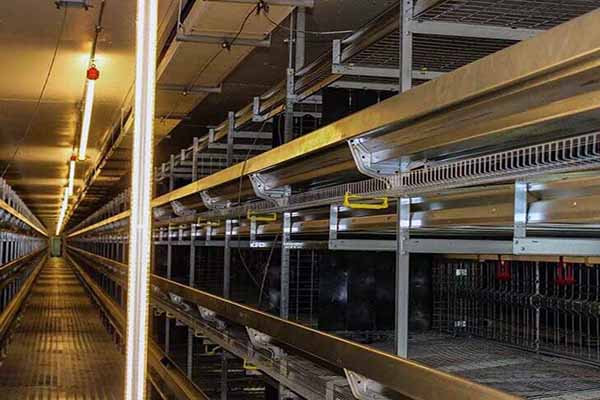
Proper insulation is crucial for maintaining a consistent temperature inside the chicken coop. According to a study by the Agricultural Research Service (ARS), insulation can reduce energy costs by up to 25%. Here are some effective insulation techniques:
- Wall Insulation: Use rigid foam boards, such as extruded polystyrene (XPS), or fiberglass to insulate the walls.
- Roof Insulation: The roof is another critical area. You can install radiant barrier insulation under the roof, and consider using a well-insulated roof structure.
- Windows and Doors: Invest in heavy-duty doors and windows with tight seals to minimize drafts. Insulating curtains can also help retain heat.
2. Heat Source: Providing Com fortable Temperature for Your Chickens
During extreme cold weather, providing a reliable heat source becomes essential. Consider the following options:
- Lamps: Red heat lamps can be placed near the nesting boxes to keep hens warm.
- Heat Traps: Install a heat trap to capture and redistribute heat throughout the coop.
- Heat Pads: Under-the-coop heat pads are a convenient way to provide heat to the ground, which in turn warms the entire area.
3. Windbreaks: Protecting from Harsh Elements
Wind chill can drastically reduce the ambient temperature in your coop. Adding windbreaks can help reduce this impact. Options include:
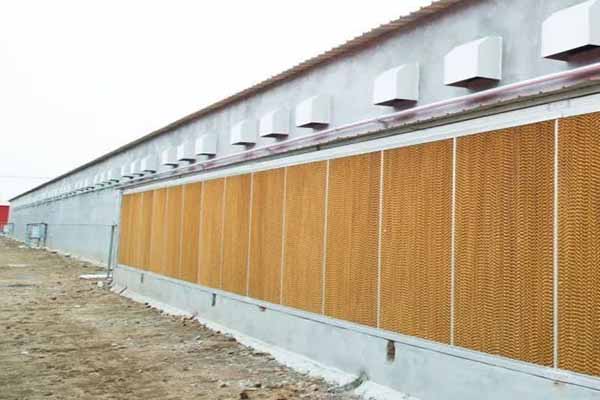
- Perimeter Windbreak: Build a barrier along the coop’s perimeter to redirect wind.
- Overhead Windbreak: Install a windbreak or tarp over the coop to protect against overhead winds.
4. Airflow and Ventilation: Ensuring a Healthy Environment
While keeping the coop warm is important, ensuring proper ventilation is equally critical. Good airflow helps maintain a healthy environment and prevents ammonia buildup. Here are some tips:
- Ventilation: Install vents or fans at the high end of the coop to allow warm air to escape and cool air to enter.
- Airlocks: Incorporate airlocks near the entrance to regulate airflow and prevent heat loss.
Conclusion
Modifying your chicken coop for cold climates requires a thoughtful approach to ensure the well-being and productivity of your poultry. By incorporating the modifications outlined above, you can create a comfortable and efficient environment for your flock. If you need further assistance or a free chicken coop design and equipment quote, please feel free to leave a comment or contact us directly. We at Livi Mechanical are here to help you make the best decisions for your chicken coop.