Maximizing High-Yield Egg Production: A Comprehensive System Guide
As the demand for eggs continues to rise globally, optimizing egg production systems is crucial for poultry farmers and investors. A high-yield egg production system not only ensures profitability but also sustainability. In this article, we will delve into the key components and strategies for implementing an efficient and productive egg production system.
Key Components of a High-Yield Egg Production System
- Hygiene and Biosecurity
- Optimal Housing Conditions
- Quality Feed and Nutrition
- Health Management
- Automation and Monitoring
According to a study by the FAO, an effective high-yield egg production system can increase egg production by up to 20% compared to traditional methods.

Hygiene and Biosecurity
Preventing diseases is paramount in egg production. Implementing strict biosecurity measures, such as regular cleaning and disinfection, can reduce the risk of outbreaks significantly. A well-maintained environment not only ensures the health of the flock but also the quality of the eggs produced.
Optimal Housing Conditions
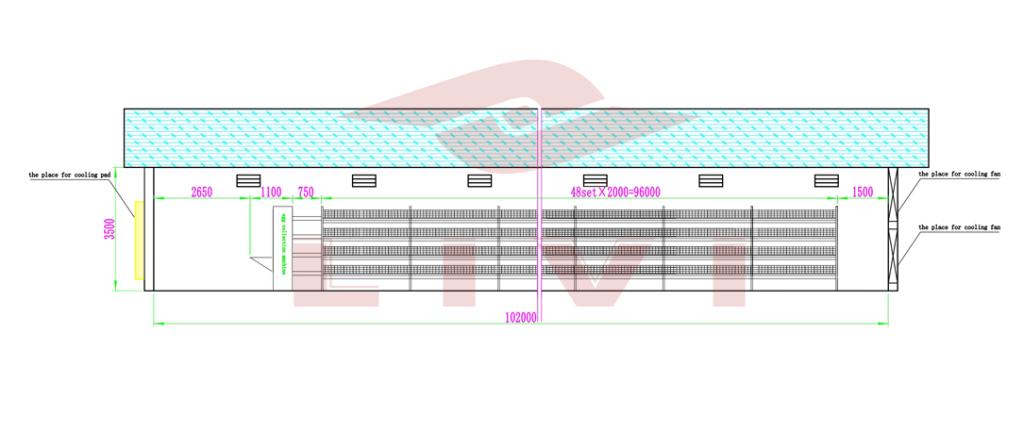
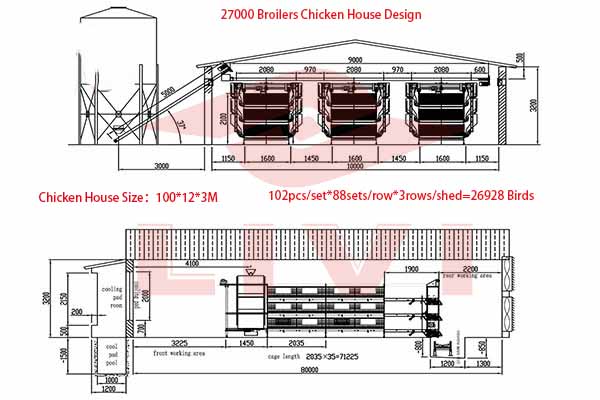
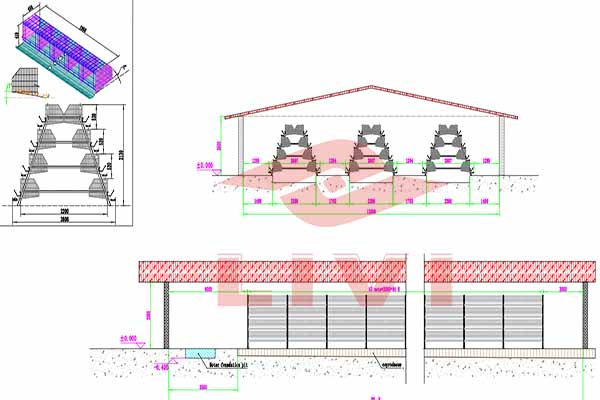
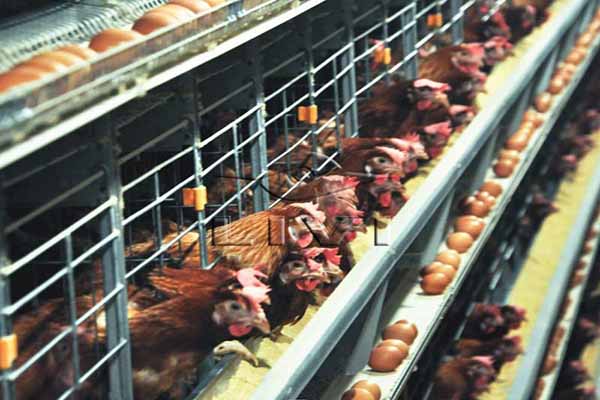
The layout and design of the poultry house play a crucial role in high-yield egg production. Proper ventilation, lighting, and temperature control are essential for maintaining optimal conditions. A study by the Poultry Science Association indicates that a well-designed house can lead to a 10% increase in egg production.
Quality Feed and Nutrition
Feeding the right diet is vital for maximizing egg production. A balanced diet rich in essential nutrients ensures that hens maintain good health and lay more eggs. According to the American Feed Industry Association, a high-quality feed can increase egg production by up to 15%.
Health Management
Regular health checks and vaccinations are essential to prevent diseases that can impact egg production. A proactive health management program can reduce the risk of mortality and increase the overall productivity of the flock.
Automation and Monitoring
Implementing automation and monitoring systems can greatly enhance the efficiency of an egg production system. Automated feeding, lighting, and egg collection can reduce labor costs and improve accuracy. According to a report by the International Poul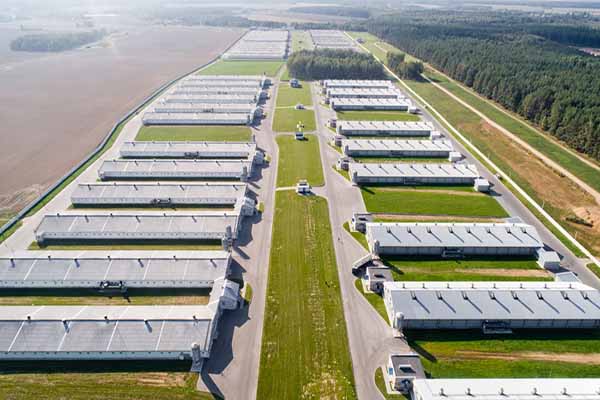 try Council, automation can lead to a 5% increase in egg production.
Table 1: Comparison of Traditional and High-Yield Egg Production Systems
| Component | Traditional System | High-Yield System |
|---|---|---|
| Egg Production | 300-500 eggs/hen/year | 500-700 eggs/hen/year |
| Cost of Production | $1.50-2.00/egg | $1.20-1.50/egg |
| Health Issues | Higher risk of diseases | Lower risk of diseases |
By integrating these components into a high-yield egg production system, poultry farmers and investors can achieve significant improvements in productivity and profitability.
For more information on how to implement a high-yield egg production system in your farm, leave a comment below or contact us for a free, detailed chicken farming design and equipment quotation.