How to Maintain Chicken Cages for Longevity: A Comprehensive Guide
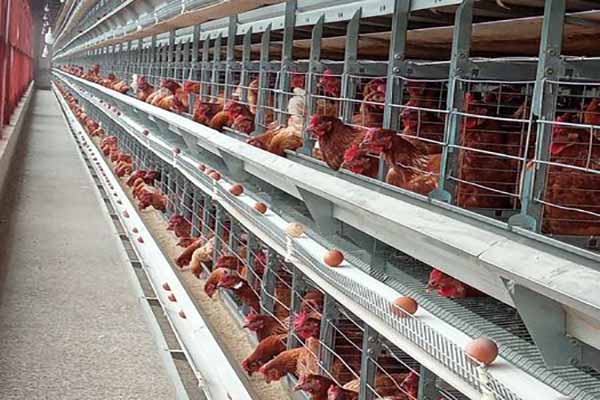
Ensuring the longevity of your chicken cages is crucial for the success of your poultry farming business. Proper maintenance not only extends the lifespan of your equipment but also contributes to the health and productivity of your chickens. In this article, we will discuss essential tips and strategies to maintain chicken cages for longevity.
Regular Cleaning and Sanitization
Regular cleaning and sanitization are vital to prevent the buildup of harmful bacteria and parasites. According to a study by the Journal of Applied Poultry Research, regular cleaning can reduce the incidence of respiratory diseases in chickens by up to 50%. Here are some steps to maintain cleanliness in your chicken cages:
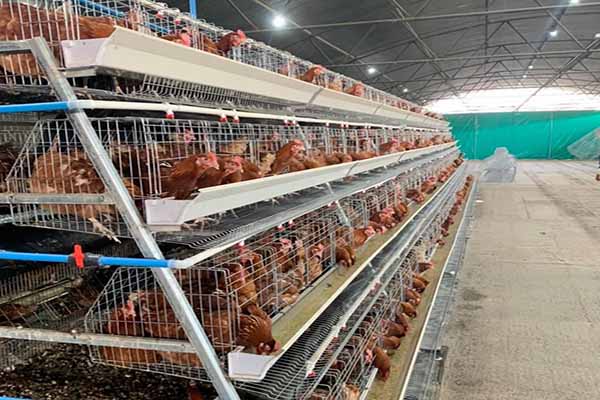
- Cleaning Schedule: Aim to clean the cages at least once a week.
- Tools and Materials: Use a broom, brush, and a suitable disinfectant.
- Process: Remove all chicken manure and bedding, then scrub the cage walls and floor with a brush. Rinse thoroughly and apply a disinfectant solution to kill any remaining pathogens.
Proper Ventilation
Proper ventilation is essential to prevent the accumulation of ammonia and other harmful gases. Ammonia can cause respiratory issues in chickens and damage the cage structure over time. Here are some tips for maintaining good ventilation:
- Check Ventilation Holes: Ensure that all ventilation holes are clear of debris and functioning properly.
- Airflow: Aim for a consistent airflow through the cage to disperse ammonia and other gases.
- Temperature Control: Monitor the temperature inside the cage and adjust the ventilation accordingly to maintain a comfortable environment for the chickens.
Regular Inspection and Maintenance
Regular inspection and maintenance of your chicken cages are crucial to identify and address potential issues before they lead to significant damage. Here are some key points to consider:
- Check for Rust and Corrosion: Inspect the cage for any signs of rust or corrosion and repair or replace affected parts promptly.
- Secure Connections: Ensure that all connections, such as wire mesh and frames, are secure and tight.
- Replace Worn-Out Parts: Replace any worn-out or damaged parts to maintain the structural integrity of the cage.
Invest in High-Quality Cages
Investing in high-quality chicken cages can significantly reduce maintenance efforts and prolong the lifespan of your equipment. Look for cages made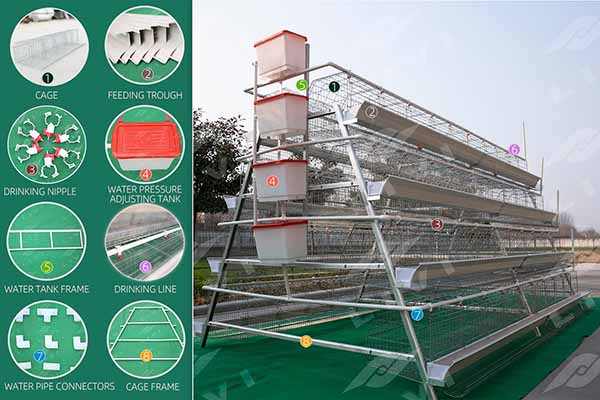 from durable materials, such as stainless steel or galvanized steel, which are resistant to corrosion and wear.
As a professional SEO, we understand the importance of providing valuable information to our clients. For more insights on chicken cage maintenance and to receive a free, customized design and equipment quote from Livi Mechanical, please leave a comment below. We are here to help you optimize your poultry farming business for success!