Battery Cages for Laying Hens: A Comprehensive Guide for Poultry Farm Owners and Investors
Understanding Battery Cages: What They Are and How They Work
Battery cages are a common type of confinement used in commercial poultry farming for laying hens. These cages provide a controlled environment where hens can lay eggs in comfort. Here are some key points to understand about battery cages:
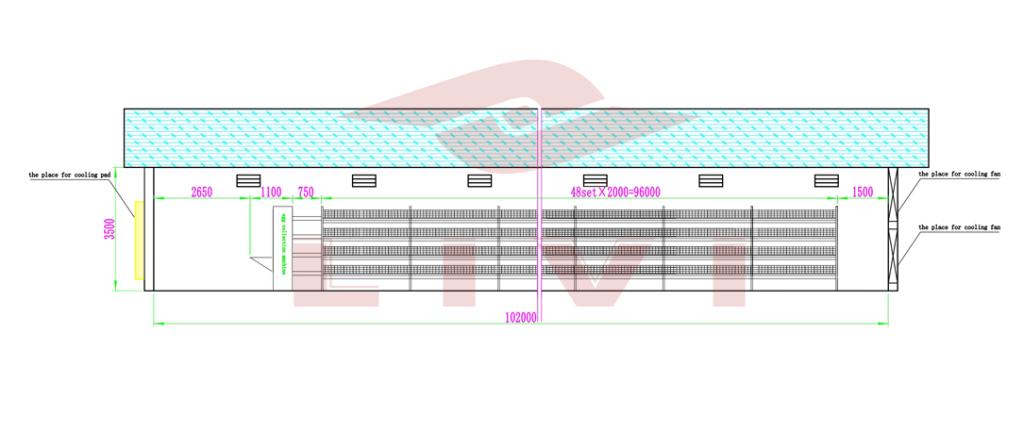
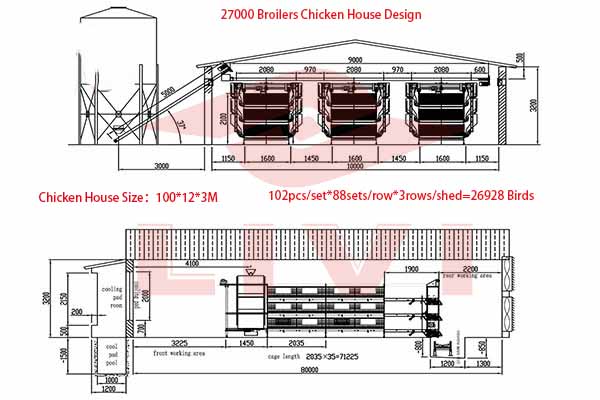
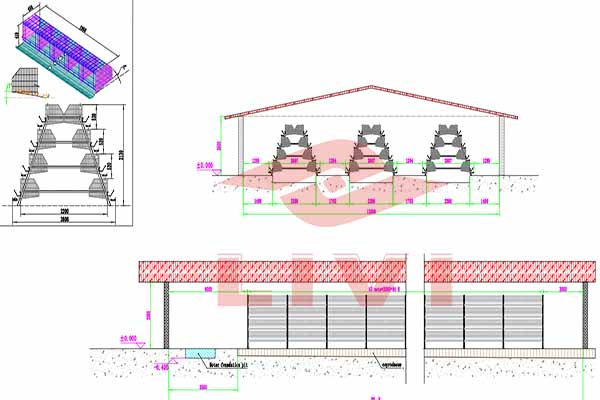
– Design: Battery cages are typically constructed with metal bars and placed on a grid, allowing for easy egg collection and waste removal.
– Dimensions: The standard cage size is approximately 12 inches wide, 19 inches deep, and 22 inches tall, providing enough space for the hen to stand, turn around, and lay her eggs.
– Ventilation: Proper ventilation is crucial to maintain air quality and temperature, ensuring the health and well-being of the hens.
Advantages of Using Battery Cages
Battery cages offer several advantages to poultry farm owners and investors:
– Egg Collection: Eggs are easily collected, reducing labor costs and minimizing the risk of eggs being broken.
– Sanitation: The design of battery cages makes it easier to maintain a clean and hygienic environment, reducing the risk of disease.
– Space Efficiency: Battery cages allow for maximum space utilization on the farm, enabling farmers to house a larger number of hens in a smaller area.
Disadvantages and Concerns
Despite their benefits, battery cages also have some drawbacks and concerns:
– Ethical Concerns: Many animal rights organizations argue that battery cages are inhumane, as they restrict the movement and social interaction of the hens.
– Health Risks: Overcrowding and poor ventilation can lead to increased disease risks and poor egg quality.
– Regulatory Compliance: In some regions, battery cages are being phased out due to ethical and environmental concerns.
Choosing the Right Battery Cages for Your Farm
When selecting battery cages for your laying hens, consider the following factors:
– Size and Capacity: Ensure that the cages are the right size for your hens and that the capacity meets your production needs.
– Quality: Choose high-quality cages from a reputable manufacturer to ensure durability and reduce maintenance costs.
– Ventilation and Egg Collection: Evaluate the ventilation system and egg collection mechanisms to ensure they meet the needs of your hens and farm.
Conclusion
Battery cages for laying hens can be an effective tool for poultry farm owners and investors, but they must be used responsibly. By considering the advantages, disadvantages, and selecting the right cages for your farm, you can optimize egg production and minimize risks.
For a personalized, free chicken coop design and equipment quotation, please leave us a message below.