Optimizing Layer Poultry Cage Size for Maximum Efficiency
Efficiency in poultry farming, particularly in layer farming, is crucial for maximizing profits. One of the key factors that can significantly impact the productivity of a poultry farm is the size of the poultry cages used. In this article, we will discuss the importance of the right layer poultry cage size and provide some insights into how to determine the optimal size for your farm.
Understanding the Role of Cage Size
Layer poultry cage size plays a pivotal role in the well-being and productivity of the hens. A well-designed and appropriately sized cage ensures optimal space for the birds to move around, reduce stress, and enhance egg production. Let’s delve into some of the key benefits of choosing the right cage size:
- Improved Egg Production: Birds in larger cages have been shown to produce more eggs compared to those in smaller spaces.
- Reduced Injury Rates: Properly sized cages minimize the risk of injury to the birds.
- Better Health: Adequate space for exercise and movement contributes to the overall health of the flock.
How to Determine the Ideal Layer Poultry Cage Size
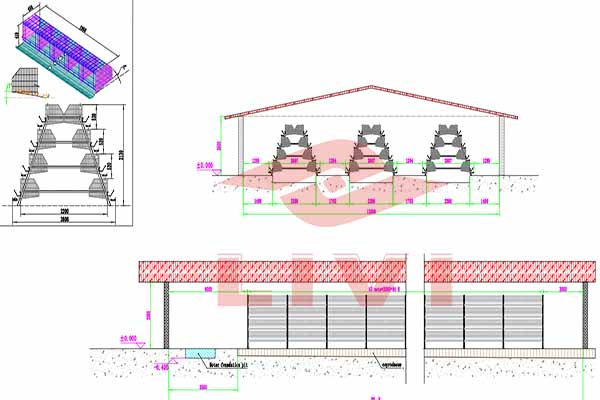
Calculating the ideal layer poultry cage size involves considering several factors, including the breed of the birds, the number of birds per cage, and the available space on the farm. Here’s a simple guide to help you determine the optimal cage size:
- Breed Specific Recommendations: Different breeds of layers have different space requirements. For example, White Leghorns typically need around 3 square feet of space per bird, while Brown Leghorns may require slightly more.
- Number of Birds per Cage: The recommended number of birds per cage can vary. As a general guideline, a single tier cage can accommodate up to 40 birds, while a double tier may house up to 80 birds, depending on the space available.
- Available Space: Evaluate the total space available in your poultry house. Divide this by the recommended number of birds per cage to determine the number of cages needed.
For a more prec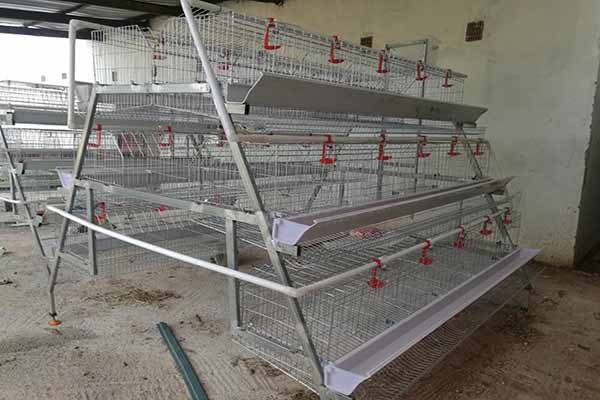 ise calculation, consider the following table that provides a rough estimate of the required cage size based on the number of birds:
| Number of Birds | Recommended Cage Size (Square Feet) |
|---|---|
| 10-20 | 30-40 |
| 20-40 | 60-80 |
| 40-60 | 90-120 |
| 60-80 | 120-160 |
Remember that these are just guidelines, and it’s essential to consider the specific needs of your flock and the constraints of your farm.
Conclusion
Choosing the right layer poultry cage size is a critical decision that can greatly influence the success of your poultry farming operation. By considering the specific needs of your birds and the layout of your farm, you can create an environment that promotes health, productivity, and cost-effectiveness.
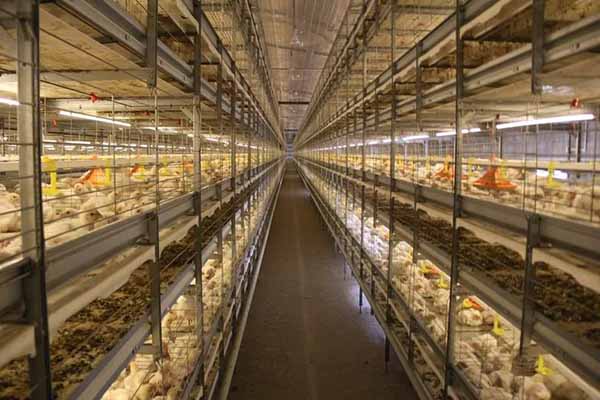
For more personalized advice and to explore our range of high-quality poultry equipment, including layer poultry cages, please leave a comment below or contact us directly. At LIVI Mechanical, we offer free chicken farming design plans and equipment quotes to help you get started.