What is the Best Housing System for a 90,000-Bird Poultry Farm in Nigeria?
Choosing the right housing system for a 90,000-bird poultry farm in Nigeria is a critical decision that impacts productivity, health, and profitability. Nigeria’s climate and the specific needs of commercial poultry farming must be considered. Below, we explore the various housing systems available, their pros and cons, and how they can be tailored for a 90,000-bird poultry operation.
Traditional Floor Housing
This is the most common housing system in Nigeria, where birds are raised on the ground with a solid flooring. It is cost-effective and easy to manage.
- Cost-effective construction and maintenance
- Easy access for feeding and vaccination
- High biosecurity risks due to easy spread of diseases
- Limited space for birds, potentially leading to overcrowding
Free-Range Housing
Free-range systems allow birds to roam within a confined area with access to outdoor spaces. This can improve bird welfare and egg quality.
- Enhanced bird welfare and egg quality
- Reduced risk of respiratory diseases due to better air quality
- High initial setup costs and potential risks from predators
- Complex management for disease control
Layer Batten Housing
This system uses long, narrow wooden boards or metal battens to create a space for birds to live and lay eggs. It is suitable for medium to large-scale poultry farms.
| Benefits | Challenges |
|---|---|
| Optimal egg collection with minimal waste | Higher initial setup costs |
| Good biosecurity and ventilation | Can be challenging to keep clean |
| Reduces the risk of leg disorders in birds | Regular maintenance required |
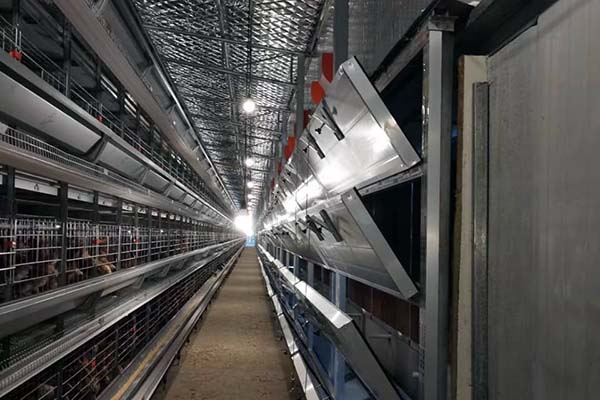 Nested Battery Housing
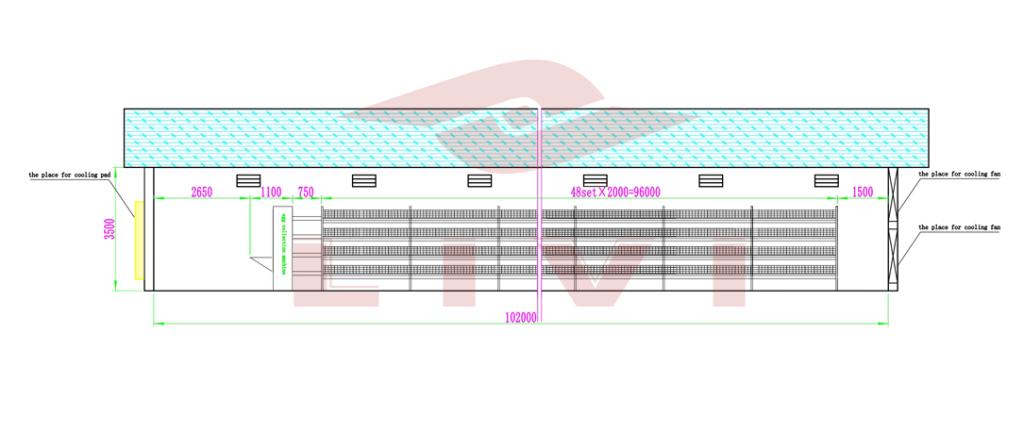
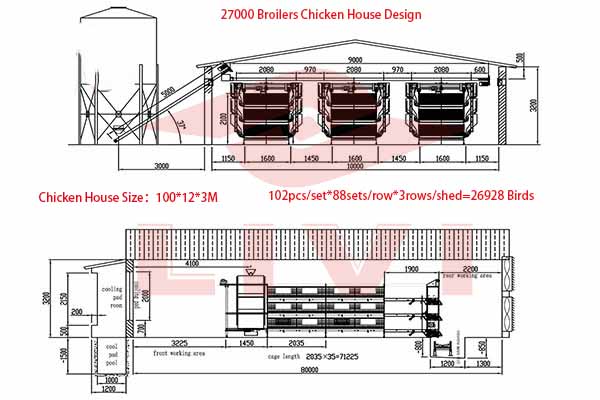
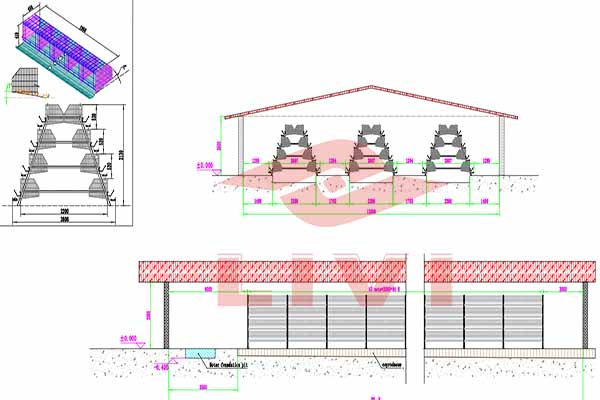
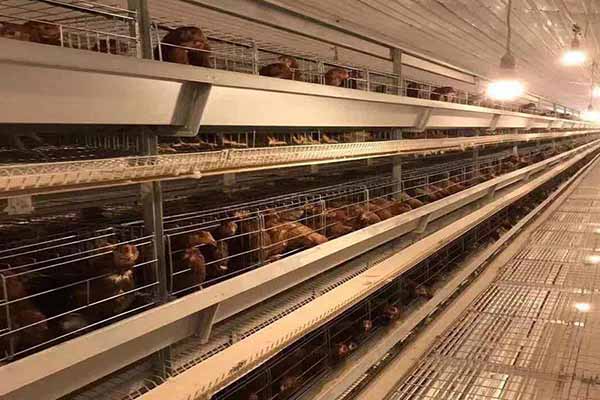
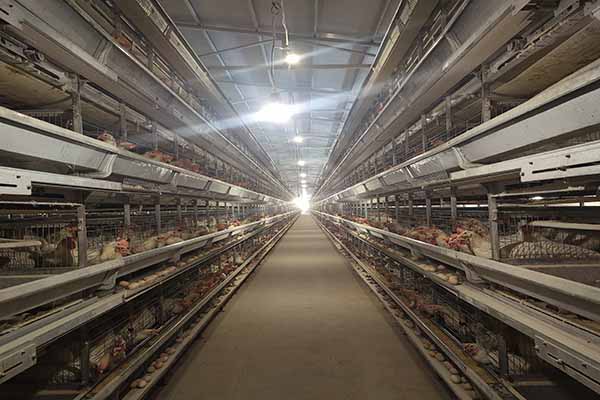
This system is designed for high-density egg production. Birds are kept in cages within a building, with access to feed and water.
- High egg production rates
- Easy to manage and control biosecurity
- Limited space for birds, leading to potential welfare concerns
- May require more energy for heating and cooling
Choosing the Best Housing System for Your Poultry Farm
Selecting the best housing system for a 90,000-bird poultry farm in Nigeria depends on various factors, including the climate, budget, and the specific goals of the farm. Here are a few key considerations:
- Climate: Choose a system that is well-suited to Nigeria’s tropical climate, with good ventilation and shading to protect against heat and sunlight.
- Cost: Consider the initial investment and long-term maintenance costs of the system.
- Bird Welfare: Prioritize systems that promote good bird welfare, such as those with space for movement and nesting.
- Productivity: Choose a system that maximizes production efficiency and output.
In conclusion, the best housing system for a 90,000-bird poultry farm in Nigeria will likely be a combination of the layer batten housing and nested battery system, tailored to fit the specific needs of the farm and the local environment.
Are you considering setting up a 90,000-bird poultry farm in Nigeria? Get in touch with us for a free, customized design plan and equipment quote for your farm. Our experts at Livi Mechanical are here to help you make informed decisions for your poultry operation.