What is the Best Ventilation System for a Poultry Cage Farm with 90,000 Chickens in Nigeria?
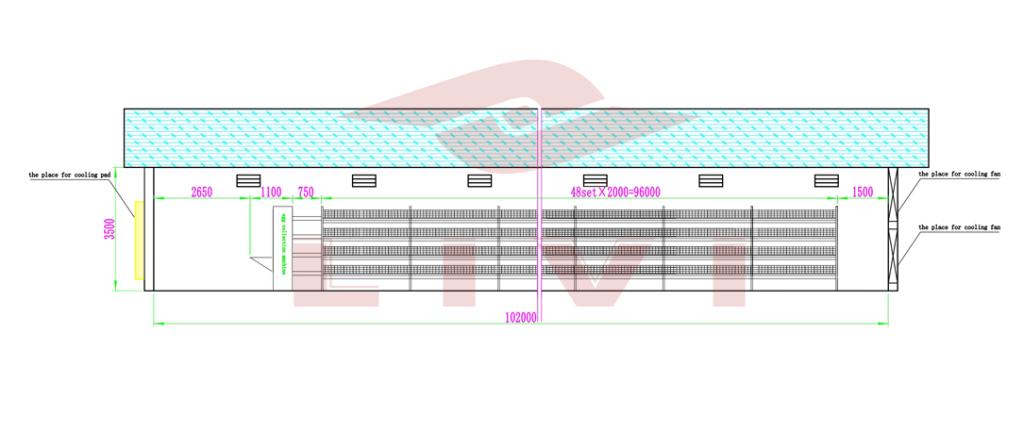
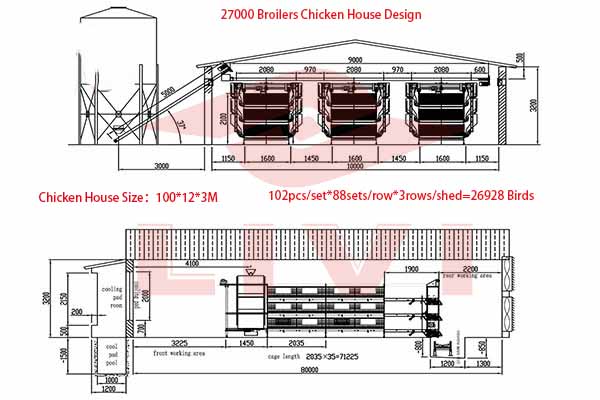
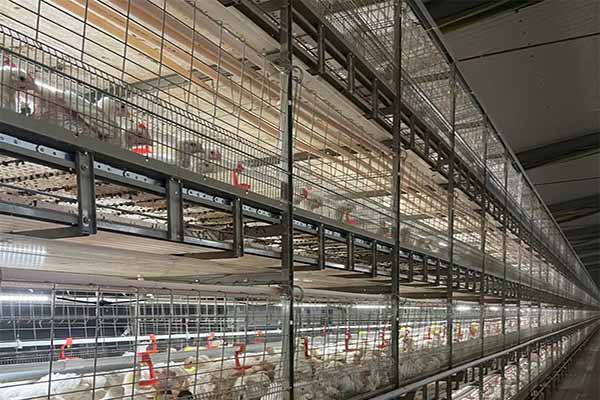
Managing a poultry cage farm with 90,000 chickens in Nigeria requires an efficient ventilation system to ensure the health and productivity of the flock. In this article, we delve into the best ventilation systems suitable for such a large-scale operation.
Understanding the Importance of Ventilation in Poultry Farms
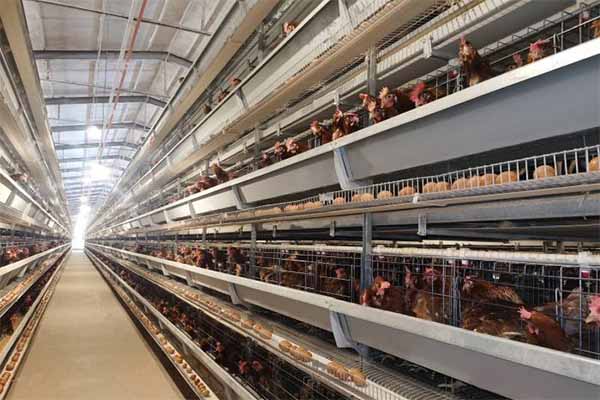
Ventilation is crucial in poultry farming to maintain optimal conditions for the chickens. Proper air exchange prevents ammonia buildup, reduces the risk of respiratory diseases, and maintains a stable temperature and humidity level. Here are some key factors to consider when choosing a ventilation system for your farm:
- Efficiency: The system should provide adequate air exchange rates to ensure a fresh environment for the chickens.
- Energy Consumption: An energy-efficient system can reduce operational costs.
- Ease of Maintenance: A system that is easy to clean and maintain will save time and money in the long run.
- Scalability: The system should be able to accommodate future expansion of the farm.
Top Ventilation Systems for Large-scale Poultry Farms in Nigeria
Here are some of the best ventilation systems for a poultry cage farm with 90,000 chickens in Nigeria:
1. Natural Ventilation with Fans
This system relies on natural air flow through open windows and doors, complemented by fans to enhance air movement. It is cost-effective and suitable for smaller farms. However, it may not be sufficient for large-scale operations like a 90,000-chicken farm.
2. Mechanical Ventilation Systems
These systems use fans and air ducts to control air flow. They are more suitable for large-scale farms and can be customized to meet specific requirements. Some popular mechanical ventilation systems include:
- Vertical Airflow Systems: These systems force air downward, which helps to evenly distribute heat and ammonia throughout the poultry house.
- Horizontal Airflow Systems: Air is directed horizontally across the chickens, which can help to reduce ammonia levels and improve air quality.
- Pressure-Regulated Systems: These systems maintain a consistent pressure in the poultry house, ensuring optimal air flow and temperature control.
3. Heat Recovery Ventilation (HRV)
HRV systems recover heat from exhaust air and transfer it to incoming fresh air. This not only improves energy efficiency but also maintains a comfortable environment for the chickens. HRV systems are ideal for regions with extreme temperatures.
Choosing the Right System for Your Farm
When selecting a ventilation system for your 90,000-chicken farm in Nigeria, consider the following factors:
- Climate: Choose a system that is suitable for your region’s climate, taking into account temperature, humidity, and wind patterns.
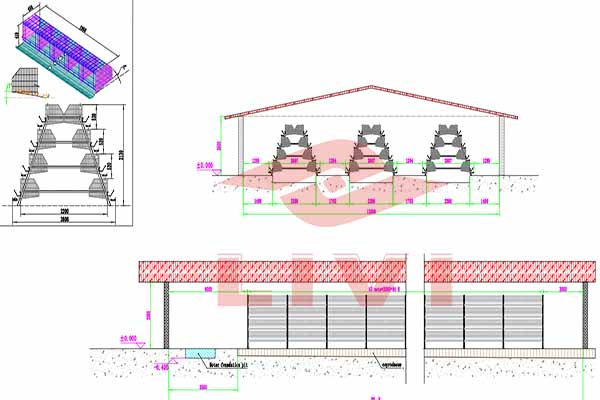
- Layout: Consider the layout of your farm and the size of your poultry houses.
- Cost: Evaluate the initial investment and long-term operational costs of the system.
- Reliability: Choose a system from a reputable manufacturer with a good track record of reliability.
Consulting with a professional can help you make an informed decision and select the best ventilation system for your farm.
Contact Us for Free Design and Quotation
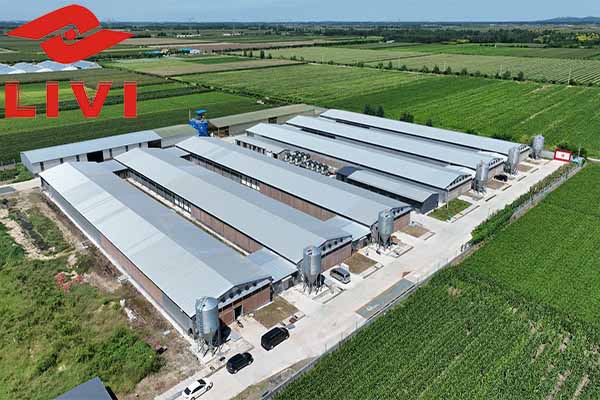
At LIVI Mechanical, we specialize in providing customized ventilation solutions for poultry farms. Contact us today to discuss your specific needs and receive a free design and equipment quotation.
Email: [email protected]
Phone: +234 703 123 4567