Best Biosecurity Measures for a 100,000-Layer Poultry Farm in Tanzania
As the poultry industry continues to grow in Tanzania, ensuring the health and productivity of a 100,000-layer poultry farm is crucial. Implementing effective biosecurity measures is not only essential for the well-being of the birds but also for the farm’s economic sustainability. In this article, we outline the best biosecurity measures tailored for a 100,000-layer poultry farm in Tanzania.
Introduction to Biosecurity in Poultry Farms
Biosecurity is a set of practices designed to reduce the risk of intro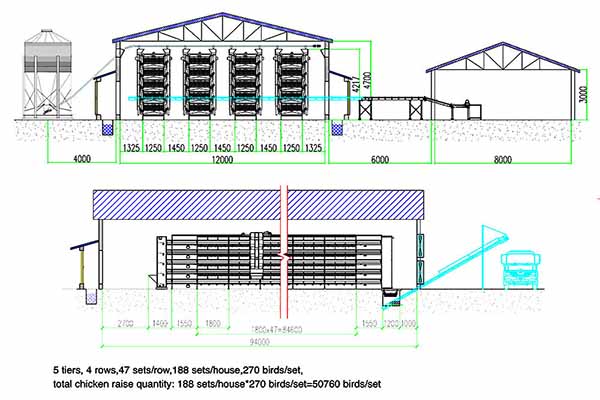 ducing and spreading diseases in poultry farms. These measures are vital for maintaining flock health and preventing economic losses due to disease outbreaks.
Key Biosecurity Measures for a 100,000-Layer Poultry Farm
- Sanitation and Disinfection
- Regularly clean and disinfect the farm, including housing, equipment, and transportation vehicles.
- Use effective disinfectants with a kill claim for specific pathogens.
- Implement a strict schedule for cleaning and disinfection to minimize disease risk.
- Personnel Hygiene
- Ensure that all personnel wear protective clothing and footwear when entering the farm.
- Provide personal hygiene facilities, such as showers and changing areas, for staff.
- Enforce a “no bare skin” policy to prevent contamination.
- Isolation and Quarantine
- Establish a clear protocol for introducing new birds to the farm.
- Isolate new birds for a specific period before integrating them into the main flock.
- Monitor birds in isolation for signs of disease and promptly report any concerns.
- Monitoring and Surveillance
- Regularly monitor the flock for signs of disease, such as reduced feed intake, respiratory distress, or changes in behavior.
- Implement a disease reporting system to quickly identify and address potential health issues.
- Work with a veterinarian to develop a disease control plan tailored to the farm’s specific needs.
- biosecurity Audits
- Conduct regular biosecurity audits to ensure compliance with best practices.
- Involve farm management, staff, and consultants in the audit process.
- Use the audit findings to improve biosecurity measures and reduce disease risk.
Conclusion
Implementing the best biosecurity measures is essential for the success of a 100,000-layer poultry farm in Tanzania. By following these guidelines, farm owners and investors can protect their investment and ensure the health and productivity of their flocks.
For more information on biosecurity measures and to receive a free poultry farm design and equipment quote from LIVI Mechanical, please leave a comment below or contact us directly.