How to Start a Poultry Farm with 25,000 Chickens in Nigeria
Step 1: Market Research and Feasibility Study
Before diving into a poultry farming business with 25,000 chickens, it’s crucial to conduct thorough market research and a feasibility study. This will help you understand the local demand, competition, and potential profitability.
– Conduct surveys and gather data on local chicken consumption.
– Analyze the market trends in the poultry industry in Nigeria.
– Assess the potential for growth and stability in the market.
Step 2: Choose the Right Location
The location of your poultry farm is critical. Consider the following factors:
– Proximity to feed suppliers and markets.
– Availability of water resources.
– Accessibility for transportation.
– Safety and security from potential threats.
Step 3: Secure the Necessary Permits and Approvals
To start a poultry farm legally in Nigeria, you need to obtain the following permits and approvals:
– Environmental impact assessment.
– Health and safety certificates.
– Business registration.
– Import/export licenses (if necessary).
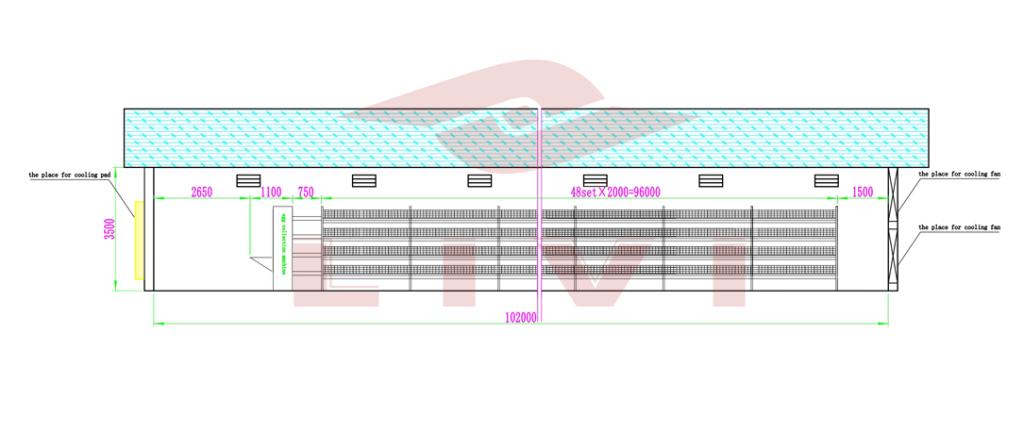
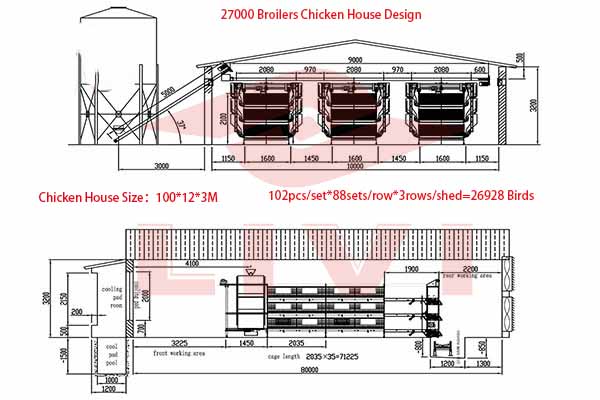
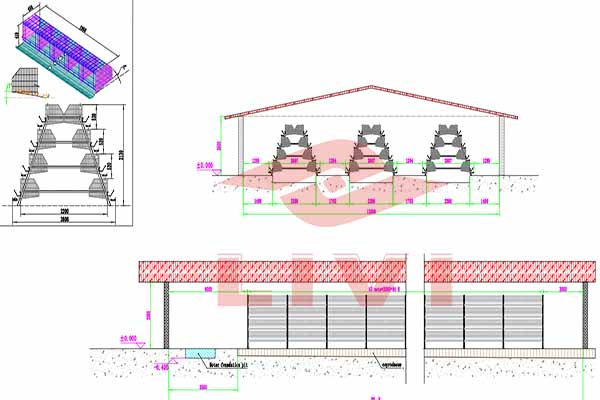
Step 4: Plan Your Farm Layout
A well-planned layout is essential for the efficient operation of your farm. Here’s what to consider:
– Design chicken coops that accommodate 25,000 chickens comfortably.
– Ensure proper ventilation and temperature control.
– Include areas for feed storage and waste management.
Step 5: Choose the Right Breed and Equipment
Selecting the right breed and equipment is vital for success:
– Choose high-yielding and disease-resistant chicken breeds.
– Invest in high-quality feeders, waterers, and automation systems.
– Consider purchasing hatcheries and incubators for egg production.
Step 6: Hire Skilled Staff and Training
Assemble a skilled team and provide training:
– Hire experienced farm managers and staff.
– Conduct regular training sessions on animal health, biosecurity, and farm management.
Step 7: Develop a Financial Plan
A comprehensive financial plan is necessary to ensure the sustainability of your poultry farm:
– Calculate initial investment costs, including land, construction, equipment, and initial feed.
– Project operational costs, such as feed, labor, utilities, and insurance.
– Set revenue goals and create a profit and loss forecast.
Step 8: Marketing and Distribution
Develop a solid marketing and distribution strategy:
– Identify target markets and create marketing campaigns.
– Establish relationships with local supermarkets, restaurants, and processors.
– Explore online sales channels for broader reach.
Step 9: Monitor and Evaluate
Regular monitoring and evaluation of your farm’s performance are crucial:
– Keep detailed records of feed consumption, egg production, and health status.
– Analyze performance metrics and adjust strategies as needed.
Step 10: Stay Informed and Adapt
The poultry industry is dynamic. Stay informed about market trends, technological advancements, and regulatory changes:
– Attend industry conferences and workshops.
– Subscribe to industry publications and online forums.
– Stay in touch with suppliers and industry experts.
For a detailed and tailored free poultry farm design plan and equipment quotation, please feel free to leave a comment or contact us directly.