Optimizing Poultry Management with Advanced Battery Cage Systems
Understanding the Battery Cage System
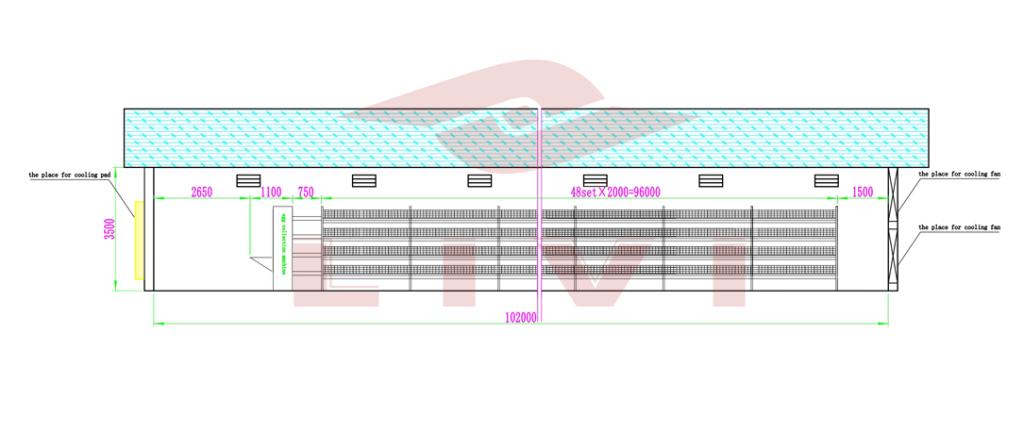
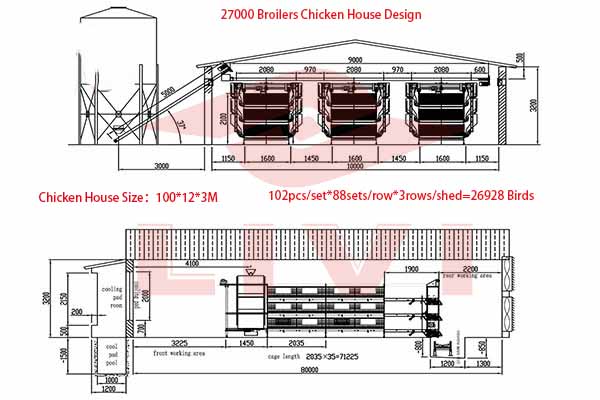
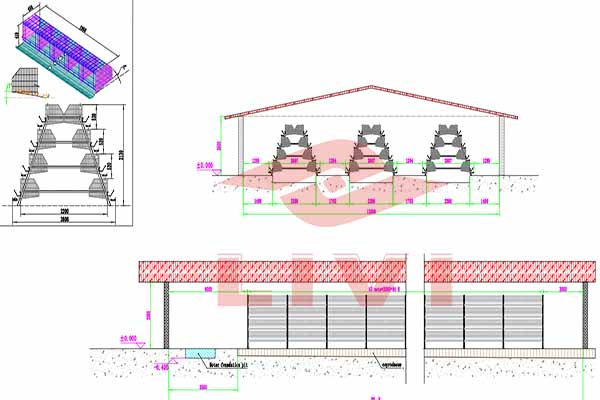
The battery cage system is a widely-used method in poultry management for housing laying hens. This system is designed to maximize efficiency while ensuring the welfare of the birds. Each cage is typically equipped with a feeding trough, watering device, and a nest for egg laying. Let’s delve into the key aspects of this system.
- Improved Egg Quality: Studies show that hens in battery cages tend to lay eggs with higher shell strength and better egg quality.
- Space Utilization: Battery cages enable efficient use of space, which is crucial for large-scale poultry operations.
- Reduced Labor Costs: The system minimizes the need for constant supervision and handling, thereby reducing labor costs.
According to a report by the National Chicken Council, the average battery cage system can house up to 40,000 hens per hectare, significantly higher than traditional free-range systems.
Technological Advancements in Battery Cage Systems
With the evolution of technology, battery cage systems have seen numerous improvements. Here are some of the key advancements:
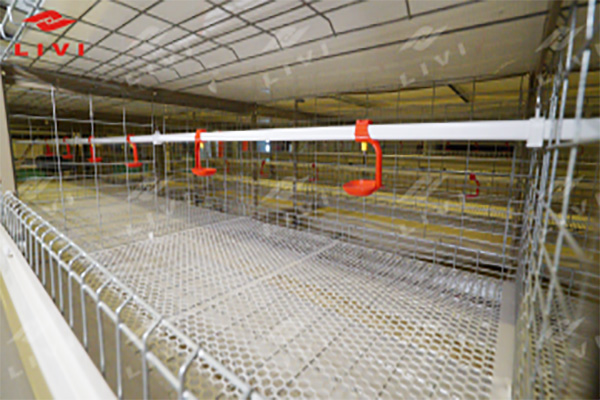
- Automated Feeding and Watering: Modern systems are equipped with automated feeding and watering mechanisms, ensuring consistent nutrition and hydration for the hens.
- Environmental Control: Advanced systems allow for precise control of temperature, humidity, and air quality within the cages.
- Health Monitoring: Integrated sensors can detect health issues in the hens early, leading to prompt interventions.
| Technology | Description | Benefits |
|---|---|---|
| Automated Feeding | Feeds hens at predetermined intervals | Reduces waste and ensures consistent nutrition |
| Environmental Control | Regulates temperature, humidity, and air quality | Improves hen welfare and egg quality |
| Health Monitoring | Utilizes sensors to detect health issues | Early intervention for better welfare and productivity |
Return on Investment (ROI) Analysis
Implementing a battery cage system requires an initial investment, but it offers significant long-term benefits. Here’s a breakdown of the ROI:
- Reduced Labor Costs: Automating tasks reduces the need for manual labor.
- Increased Egg Production: Advanced systems improve egg production rates.
- Health Benefits: Early health monitoring can prevent disease outbreaks.
According to a study by the Agricultural Research Service, the ROI for a battery cage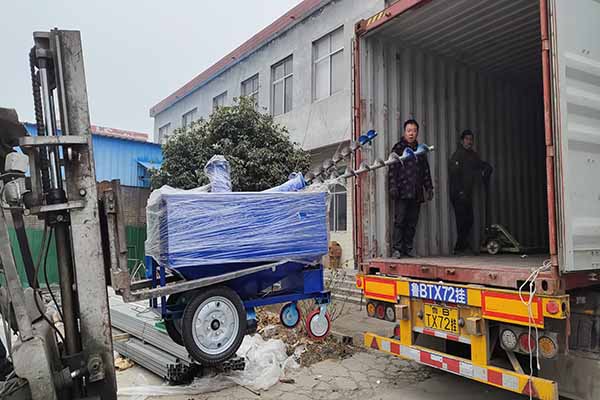 system can range from 6 to 12 months, depending on various factors such as the scale of operation and feed costs.
Conclusion
The battery cage system of poultry management has proven to be a cost-effective and efficient solution for modern poultry farming. By leveraging technology and be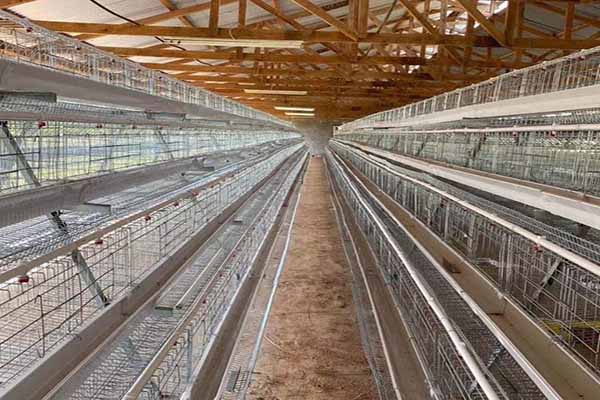 st practices, producers can achieve high productivity and ensure the welfare of their birds.
Are you interested in optimizing your poultry farm with a state-of-the-art battery cage system? Contact us today for a free, customized poultry design and equipment quotation.