Optimizing Battery Type Breeding Cages for Enhanced Poultry Farm Efficiency
As a poultry farm owner or investor, understanding the importance of the right battery type breeding cage is crucial for maximizing productivity and profitability. This article delves into the key factors to consider when selecting the ideal breeding cage for your farm. Let’s explore how the right cage type can impact your farm’s success.
Understanding Battery Type Breeding Cages
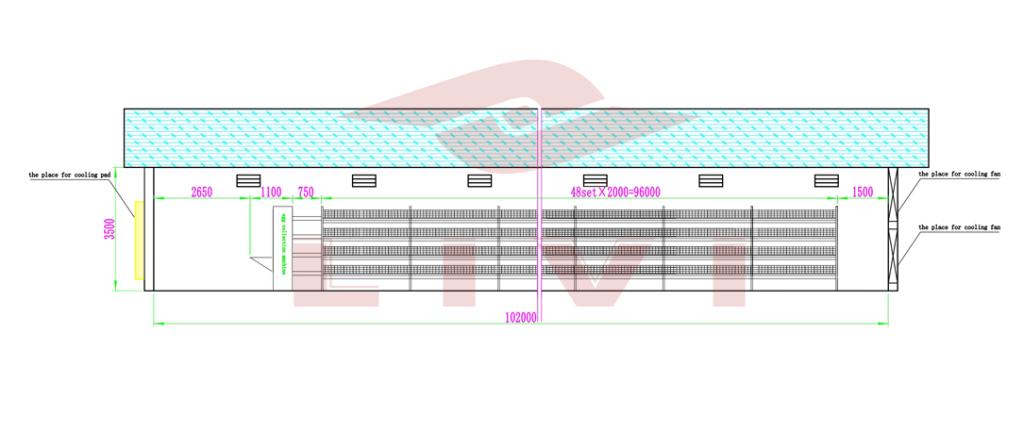
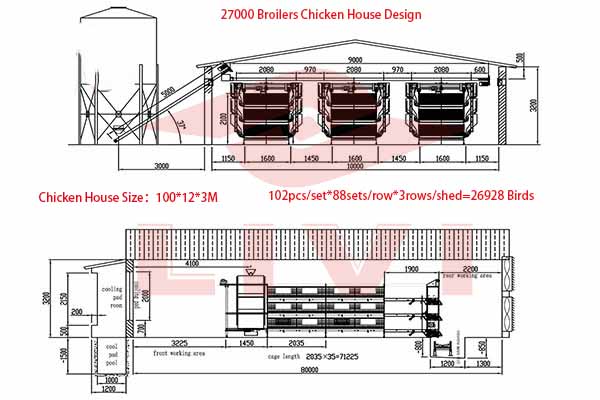
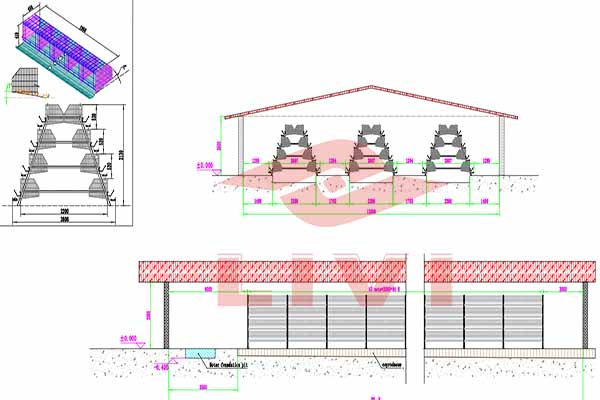
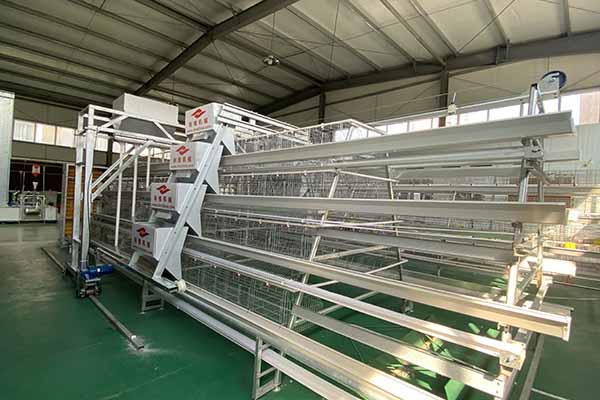
Battery type breeding cages are a popular choice for many poultry farmers due to their space-efficient design and ease of maintenance. These cages are designed to house hens in a vertically stacked arrangement, providing an optimal environment for egg production.
- Space Efficiency: Battery cages are compact, making them ideal for confined spaces, which is especially beneficial in urban or densely populated areas.
- Health Benefits: Proper ventilation and light exposure are crucial for the health of poultry. Battery cages can be designed with features that ensure these aspects are met.
- Sanitation: The stacked design of battery cages facilitates easy cleaning and reduces the risk of disease outbreaks.
Key Factors in Choosing the Right Battery Type Breeding Cage
When selecting a battery type breeding cage, several factors should be taken into account to ensure the best possible outcome for your farm:
Size and Capacity
The size of the cage is a critical factor that determines the number of hens it can accommodate. A w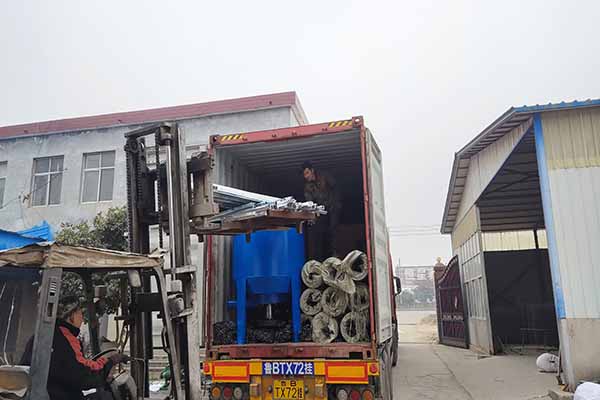 ell-designed cage should provide enough space for each hen to move around comfortably, reducing stress and promoting healthy growth.
According to a study by the National Institute of Animal Health, an average of 1.5 square feet per hen is recommended for optimal space utilization.
Material and Construction
The material and construction of the battery cage are crucial for its longevity and safety. High-quality materials such as stainless steel or galvanized iron are preferred for their resistance to corrosion and durability.
| Material | Advantages | Disadvantages |
|---|---|---|
| Stainless Steel | Corrosion-resistant, long-lasting | Higher cost |
| Galvanized Iron | Durable, cost-effective | More susceptible to corrosion if not properly maintained |
Airflow and Ventilation
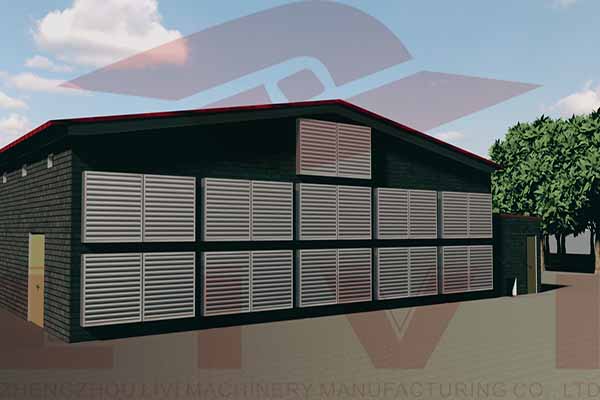
Proper airflow and ventilation are essential for maintaining a healthy environment within the breeding cage. Ensure that the cage design allows for adequate ventilation to prevent overheating and maintain humidity levels.
Conclusion
Choosing the right battery type breeding cage can significantly impact the success of your poultry farm. By considering the size, material, and ventilation of the cage, you can create an optimal environment for your hens, leading to increased egg production and reduced operational costs.
Are you ready to enhance your poultry farm’s efficiency? Contact us for a free, professional chicken farming design and equipment quote.