
Poultry Farming Startup Guide: Key Insights for Success
Embarking on a poultry farming venture can be an exciting yet challenging journey. Whether you’re a seasoned farmer looking to expand or a new investor keen on entering the industry, this guide will provide you with essential insights to kickstart your poultry farming business.
1. Market Research and Planning
Before diving into poultry farming, it’s crucial to conduct thorough market research to understand the demand for various poultry products. Here are some key factors to consider:

- Market Analysis: Gather data on the local market’s demand for different types of poultry, such as chickens, ducks, and turkeys.
- Competitor Analysis: Identify your competitors and understand their strengths and weaknesses.
- Supply Chain: Establish a reliable supply chain for feed, vaccines, and other necessities.
2. Selecting the Right Breed
The breed of poultry you choose will significantly impact your business. Consider the following factors:
- Productivity: Select breeds known for their high egg-laying or meat production rates.
- Health and Disease Resistance: Opt for breeds that are naturally resistant to common poultry diseases.
- Costs and Returns: Evaluate the initial investment and expected returns on different breeds.
Data from the United States Department of Agriculture (USDA) shows that chickens are the most popular choice for egg production, with 93% of all egg-laying operations using chicken br eeds.
eeds.
3. Building the Farm Infrastructure
Your farm’s infrastructure is the backbone of your operation. Here are some key considerations:
- Coop Design: Ensure your coops are well-ventilated, easy to clean, and provide adequate space for the birds.
- Water and Feed Systems: Implement efficient water and feed systems to support your flock’s health and growth.
- Energy Efficiency: Opt for energy-efficient systems to reduce operating costs.
4. Health Management
Proper health management is vital to prevent diseases that can be devastating to your flock and business. Here are some key practices:
- Vaccination Programs: Implement a vaccination schedule to protect your birds from common diseases.
- Monitoring: Regularly monitor your flock for signs of illness and promptly address any health issues.
- Sanitation: Maintain high standards of hygiene to prevent the spread of diseases.
5. Marketing and Sales
Effectively marketing your poultry products is crucial for success. Consider the following strategies:
- Direct Sales: Establish direct sales channels to consumers, such as farm-to-table initiatives.
- Wholesale: Explore partnerships with local restaurants and retailers.
- Online Presence: Develop an online presence to reach a wider audience.
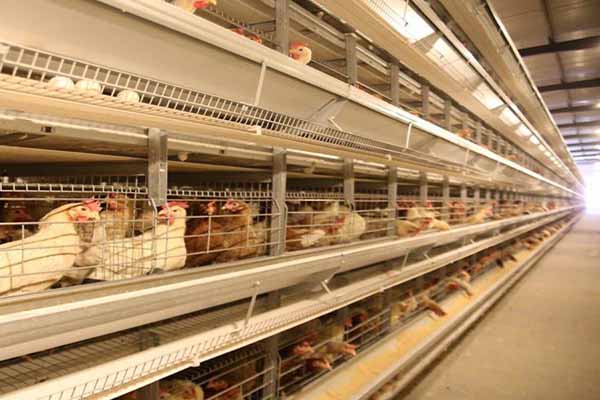
According to a study by the Poultry Science Association, direct sales accounted for 25% of all poultry product sales in 2020.
6. Financial Planning
Sound financial management is essential for maintaining profitability. Here are some tips:
- Budgeting: Create a detailed budget to track expenses and revenue.
- Cost Control: Identify areas where you can reduce costs without compromising quality.
- Insurance: Purchase insurance to protect your investment against unforeseen events.
Remember, financial planning is a continuous process and should be adjusted as your business grows.
For more detailed guidance on starting your poultry farming business, contact us today. We offer free, comprehensive chicken farm design plans and equipment quotations.