Step-by-Step Guide to Poultry Farm Automation
Introduction
The poultry industry is one of the fastest-growing sectors in agriculture. To keep up with the increasing demand, automation has become crucial for efficient and sustainable operations. This guide provides a comprehensive step-by-step approach to automating your poultry farm, ensuring maximum productivity and minimal labor requirements.
Step 1: Assess Your Farm’s Needs
Before diving into automation, it’s essential to evaluate your farm’s current situation. Consider the number of birds, size of the farm, and specific challenges you face. This will help determine the appropriate level of automation needed.
Step 2: Research Available Automation Solutions
There are various automation solutions available for poultry farms, including feed systems, water systems, lighting, climate control, and biosecurity measures. Research the market and identify the best technologies that align with your farm’s needs.
Step 3: Plan Your Automation System
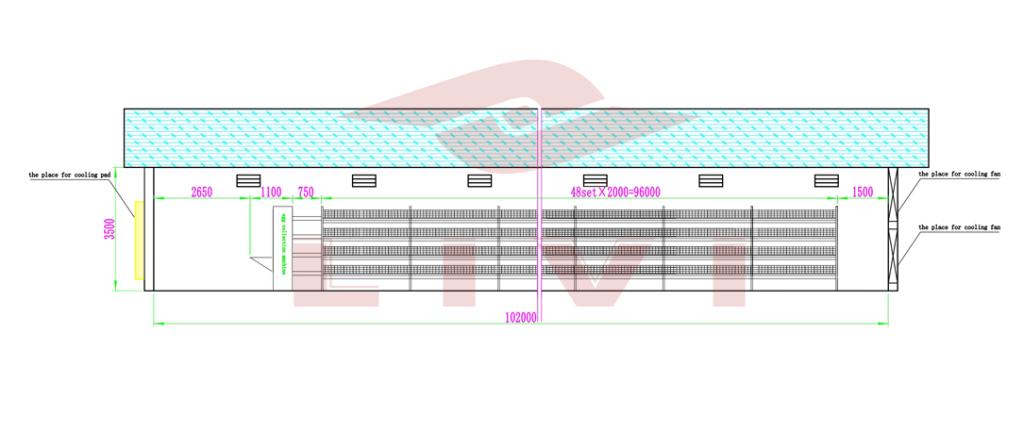
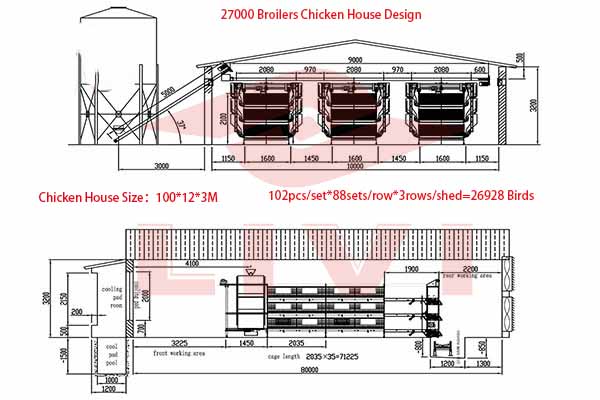
Develop a detailed plan outlining the components of the automation system. Consider the following:
– Feed System: Ensure a consistent and automated feeding schedule.
– Water System: Automated water delivery to meet the birds’ needs.
– Climate Control: Temperature, humidity, and air quality management.
– Lighting: Automated lighting to control the birds’ day/night cycle.
– Biosecurity: Automated monitoring and alerts for disease outbreaks.
– Data Collection: Implement sensors and software to collect data on birds’ health and behavior.
Step 4: Choose the Right Equipment
Select high-quality equipment that meets industry standards. Consider factors like durability, ease of maintenance, and compatibility with your automation system.
Step 5: Installation and Setup
Hire professionals or train your staff to install and configure the automation system correctly. Ensure that all components are integrated seamlessly.
Step 6: Training Your Staff
Provide comprehensive training to your staff on how to operate and maintain the new automation system. This ensures smooth operations and maximizes the system’s benefits.
Step 7: Monitoring and Maintenance
Regular monitoring of the automation system is crucial for identifying and resolving issues promptly. Schedule routine maintenance to keep the system running efficiently.
Step 8: Evaluate Performance
After implementing the automation system, evaluate its performance against your initial goals. Adjust the system as needed to optimize productivity and efficiency.
Conclusion
Automating your poultry farm can lead to significant improvements in productivity, cost-effectiveness, and biosecurity. By following this step-by-step guide, you can ensure a successful automation process.
For more information on poultry farm automation solutions, please feel free to leave a comment or contact us for a free consultation and a quote on our LIVI mechanical automation systems.
<img src="http://www.qualitych ickenfarm.com/wp-content/uploads/2026/05/20000-layers-in-chicken-cage.jpg” alt=”inserted image”>