Optimizing Chicken Cage Dimensions for Maximum Space Efficiency
Introduction
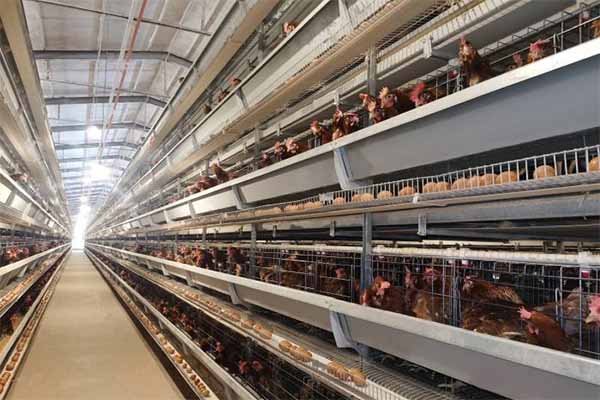
In the poultry industry, maximizing space in chicken cages is crucial for ensuring animal welfare and optimizing productivity. Proper cage dimensions can significantly impact the health and comfort of the chickens, as well as the overall efficiency of the farm. In this article, we’ll explore the ideal chicken cage dimensions for maximum space utilization, supported by industry data and practical examples.
Ideal Chicken Cage Dimensions
To maximize space, chicken cage dimensions typically follow these guidelines:
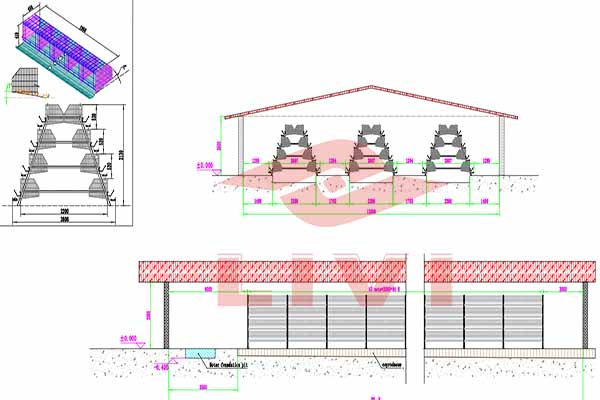
- Cage Length: Aim for a length of 2 to 2.5 feet (60 to 75 cm) per bird.
- Cage Width: A width of 1 to 1.5 feet (30 to 45 cm) per bird is recommended.
- Cage Height: Ensure that the height is 3 to 3.5 feet (90 to 105 cm) to allow for adequate headroom and access to feeding and watering stations.
Using these dimensions, a 24″ x 48″ (61 cm x 122 cm) chicken cage can comfortably house 6 to 10 chickens, depending on the bird’s size.
Benefits of Optimal Chicken Cage Dimensions
Adopting the recommended dimensions offers several advantages:
- Improved Animal Welfare: Providing ample space ensures chickens have room to move and stretch their wings, reducing stress and injuries.
- Enhanced Egg Quality: Larger cages contribute to higher egg quality and reduced mortality rates.
- Increased Productivity: By fostering a healthier environment, chickens can lay eggs more consistently and with higher quality.
- Lower Feed Costs: With improved health, chickens may require fewer antibiotics and veterinary care, resulting in reduced costs.
Industry-Specific Dimensions
Cage dimensions can vary based on the specific needs of your poultry business. Here’s a breakdown by poultry type:
- Laying Hens: The recommended dimensions mentioned earlier are suitable for laying hens.
- Broilers: Broilers, due to their smaller size, can be housed in smaller cages, measuring 1.5 feet (45 cm) in length and width, with a height of 3 feet (90 cm).
- Breeder Roosters: Larger roosters may require slightly larger cages, with dimensions of 3 feet (90 cm) in length and width, and 3.5 feet (105 cm) in height.
Conclusion
Selecting the appropriate chicken cage dimensions is crucial for maximizing space, productivity, and animal welfare. By following industry standards and guidelines, poultry farmers and investors can ensure a healthy, profitable operation.
If you are interested in optimizing your chicken cage dimensions or require a customized design and equipment quote, don’t hesitate to leave a comment below or contact us directly at Livi Mechanical for a free consultation. Our expert team will assist you in creating a space-efficient, animal-friendly farming setup.