Chicken Farm Business Plan and Setup Guide
Understanding the Chicken Farm Industry
The chicken farming industry is a lucrative business venture with immense growth potential. However, success hinges on having a robust business plan and a well-thought-out setup. Here are key components that every potential chicken farmer should consider.
Market Analysis
Before diving into the business, it’s crucial to conduct a thorough market analysis. This includes understanding the demand for chicken products in your region, identifying your target market, and analyzing the competition.
– Market Research Data
– According to the U.S. Poultry & Egg Association, the global poultry industry was valued at $510 billion in 2020 and is projected to grow at a CAGR of 2.5% from 2021 to 2026.
Business Plan
A comprehensive business plan will help guide your chicken farm setup and operations. Here are the main components:
–
- Executive Summary: A brief overview of your business, its goals, and financial projections.
- Company Description: Details about your chicken farm, including its size, location, and unique selling points.
- Market Analysis: Information gathered from market research, including target market, competitors, and industry trends.
- Organization and Management: An outline of your company’s structure, team members, and roles.
- Service or Product Line: A detailed description of your chicken products and services.
- Marketing and Sales Strategy: How you plan to attract and retain customers.
- Financial Projections: Revenue forecasts, expenses, and profitability analysis.
Chicken Farm Setup
A well-organized setup is essential for the success of your chicken farm. Here are the key steps to consider:
–
- Choosing the Right Location: Opt for a location that is accessible, with ample space for chicken houses and other facilities.
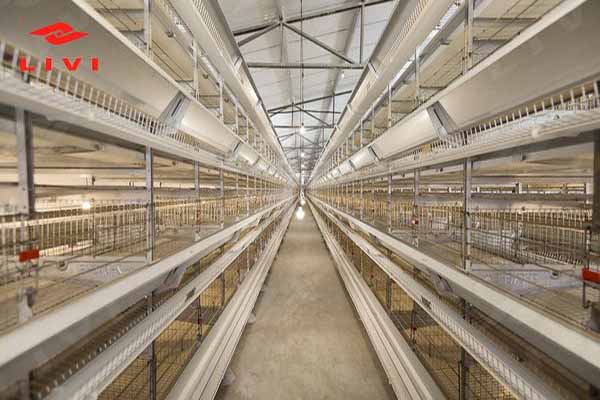
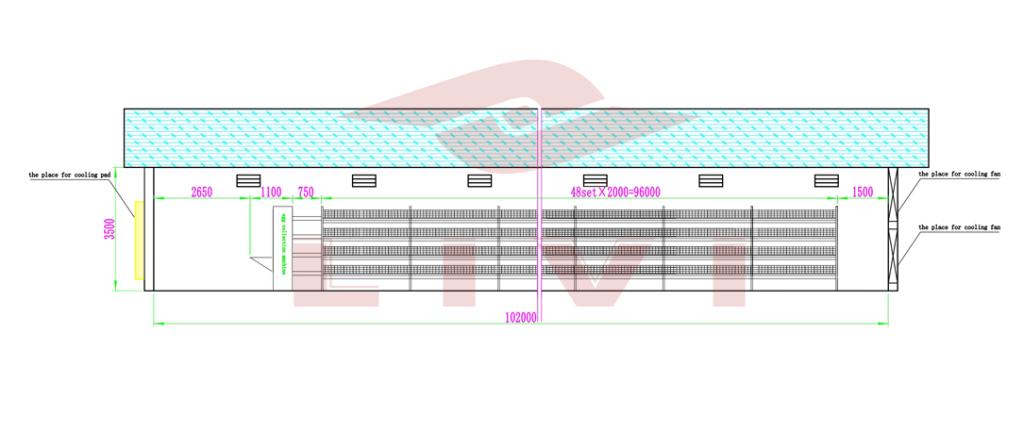
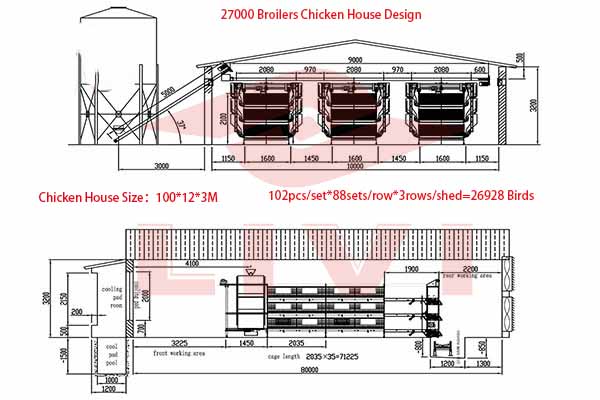
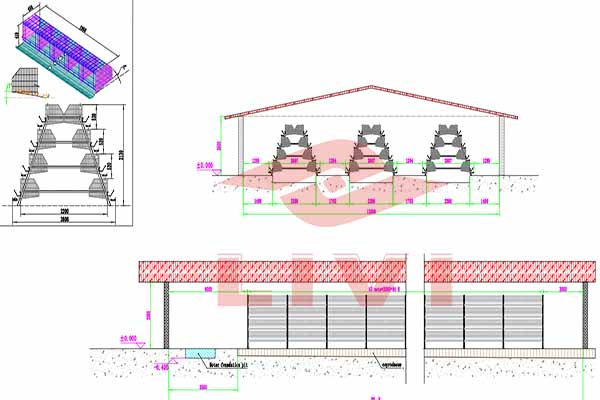
- Building Chicken Houses: Construct chicken houses that provide adequate space for your flock, with proper ventilation and lighting.
- Feeding and Watering Systems: Install reliable feeding and watering systems to ensure the health and well-being of your chickens.
- Health and Biosecurity Measures: Implement strict biosecurity measures to protect your flock from diseases.
- Equipment and Tools: Purchase essential equipment such as incubators, feeders, and waterers.
Financial Planning
Proper financial planning is vital for maintaining a successful chicken farm. Consider the following:
–
- Start-up Costs: Include the cost of land, buildings, equipment, and initial inventory.
- Operating Costs: Cover expenses such as feed, labor, utilities, and maintenance.
- Financial Projections: Create a detailed budget to forecast your farm’s income and expenses.
Conclusion
Starting a chicken farm requires thorough planning and preparation. By understanding the industry, crafting a solid business plan, and establishing a well-organized setup, you’ll increase your chances of success.
Contact us today for a free, custom chicken farm design and equipment quote from LIVI Machinery. Our team of experts is ready to help you get your chicken farm off the ground!