Chicken Farm Construction Guide: A Comprehensive Guide for Success
Building a chicken farm is a significant investment, and it’s crucial to ensure that every aspect of the construction is well-planned and executed. This guide will help you navigate through the process of constructing a successful chicken farm.
1. Initial Planning and Research
Before starting the construction, it’s essential to conduct thorough research and planning. Here are some key points to consider:
- Market analysis to determine the demand for poultry products in your area.
- Location selection based on factors like climate, proximity to markets, and availability of utilities.
- Regulatory compliance with local and national poultry farming regulations.
2. Designing the Layout
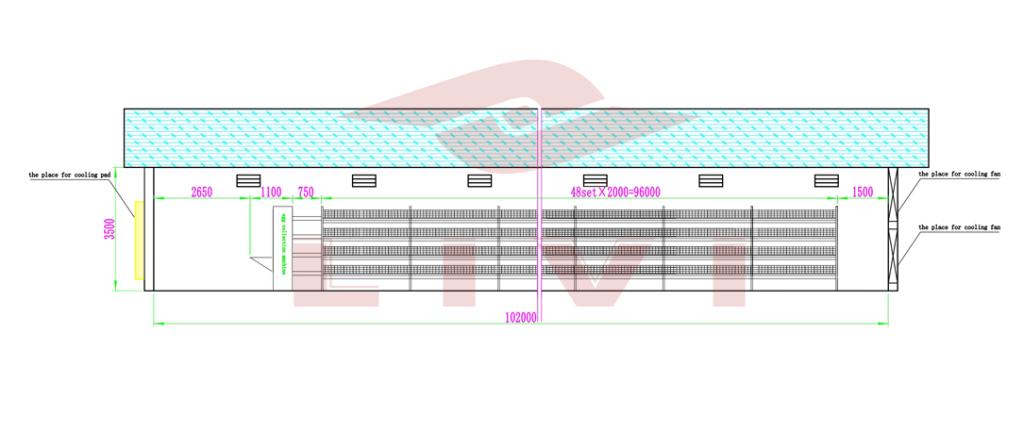
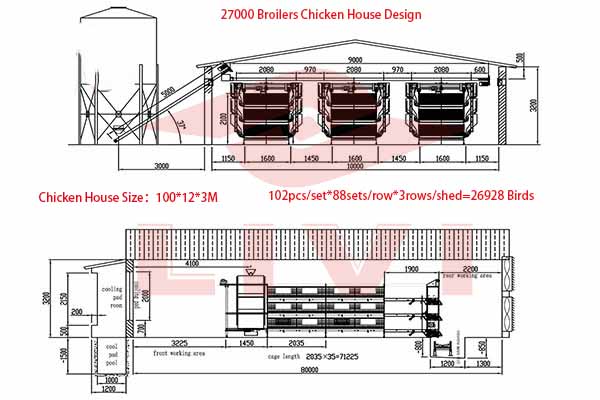
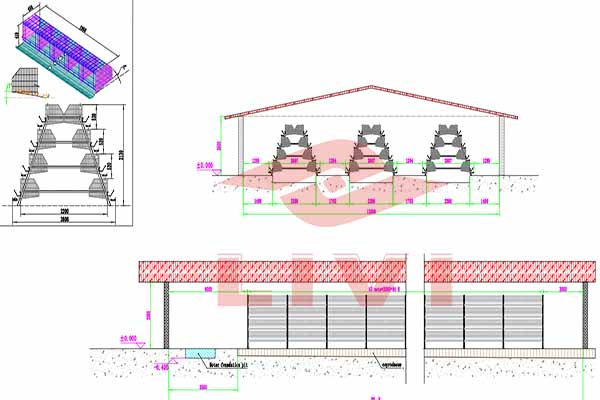
The layout of your chicken farm should be designed to maximize efficiency and ensure the well-being of the birds. Consider the following:
- Building Size: Calculate the space needed based on the number of chickens you plan to raise. A general rule is about 1 square meter per bird.
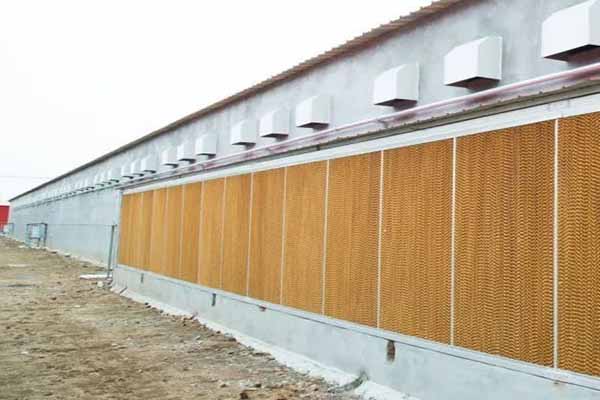
- Climate Control: Ensure the farm is designed for adequate ventilation and temperature control. This is crucial for the health of the chickens.
- Water and Feed Supply: Plan for a reliable water and feed supply system that is easy to maintain and can handle the volume required.
3. Construction Materials and Techniques
Choose durable and cost-effective materials for the construction of your chicken farm. Here are some considerations:
- Roofing: Use materials that provide good insulation against heat and cold, such as steel or insulated panels.
- Walls: Insulated walls help maintain a stable temperature inside the farm.
- Windows and Doors: Ensure they are secure, easy to clean, and provide sufficient natural light.
4. Equipment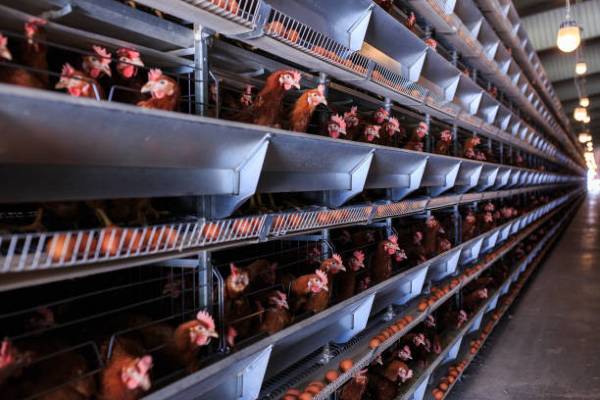 and Automation
Invest in high-quality equipment and automation systems to improve efficiency and reduce labor costs. Some key equipment includes:
- Feeders and Drinkers: Automated systems that ensure chickens have constant access to food and water.
- Heating and Cooling Systems: For maintaining optimal temperatures year-round.
- Manure Management: Systems for collecting and managing chicken waste efficiently.
5. Health and Biosecurity Measure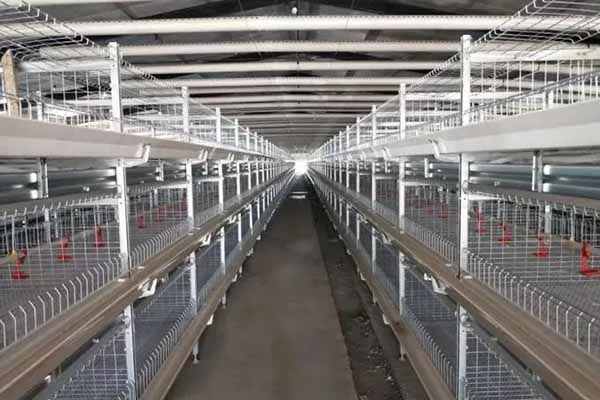 s
s
Implementing health and biosecurity measures is critical to prevent diseases and ensure the survival of your flock. Here are some key practices:
- Sanitation: Regular cleaning and disinfection of the farm and equipment.
- Quarantine: Isolate new chickens for a period to prevent the introduction of diseases.
- Employee Training: Educate staff on biosecurity protocols to minimize disease risks.
6. Regular Maintenance and Upgrades
Maintaining your chicken farm regularly is crucial for its long-term success. This includes:
- Inspection: Regularly check the farm for any signs of damage or malfunctioning equipment.
- Upgrades: Keep up with new technologies and upgrades that can improve efficiency and profitability.
By following these guidelines, you can build a successful chicken farm that will provide a stable source of income for years to come.
Are you ready to start your chicken farm journey? Contact us for a free chicken farm design and equipment quote. We are LIVI Machinery, your trusted partner in poultry farming solutions.