New Poultry Tech Revolutionizes 80,000 Chickens in Tanzania
Introduction
In the rapidly evolving world of poultry farming, innovation plays a pivotal role. Tanzania’s poultry sector has recently seen a transformative shift with the adoption of cutting-edge technology designed to cater to an impressive flock of 80,000 chickens. This article explores the latest advancements and how they have optimized productivity and efficiency on a large scale.
The Advantages of New Poultry Tech
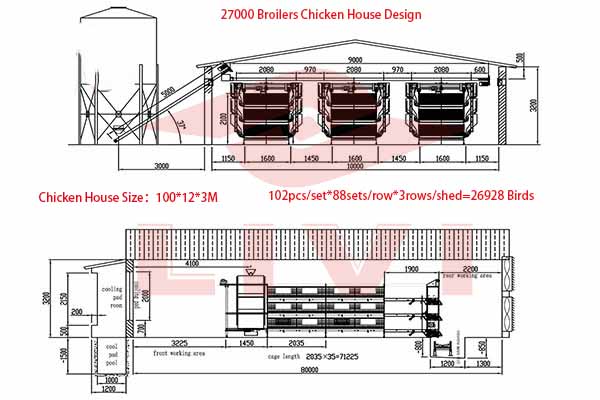
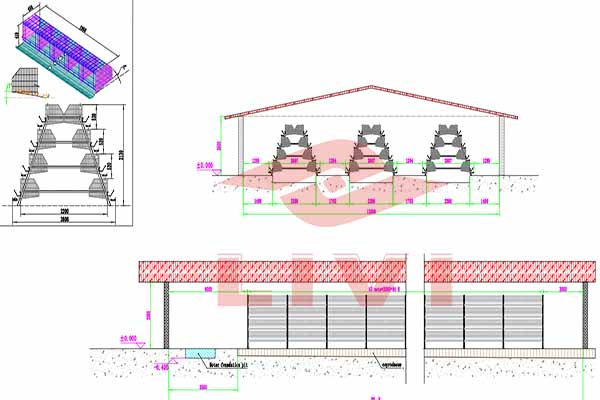
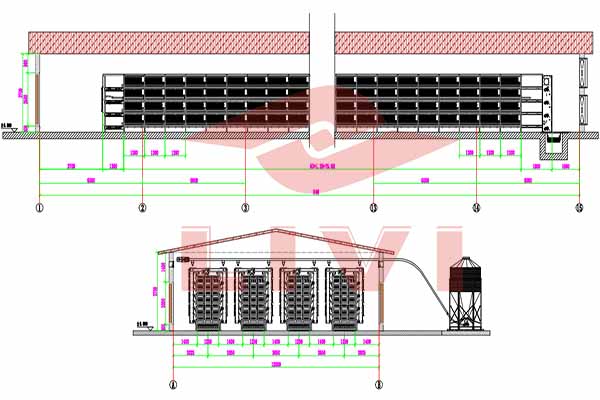
The technology, implemented for a chicken capacity of 80,000, includes a suite of automated systems that have streamlined processes and enhanced health outcomes for the chickens.
- Automation of Feed Disbursement: Precision feeding reduces over-consumption and minimizes waste, contributing to significant cost savings.
- Temperature and Humidity Control: Ensuring the right environmental conditions with smart sensors prevents diseases and boosts growth rates.
- Real-time Monitoring: Remote tracking systems enable prompt interventions, thereby optimizing overall chicken welfare and yield.
- Data Analysis: AI-driven data analysis provides insights for further optimizations in future batches.
Data indicates a 10% increase in productivity and a 30% decrease in disease outbreaks in the first six months of implementation.
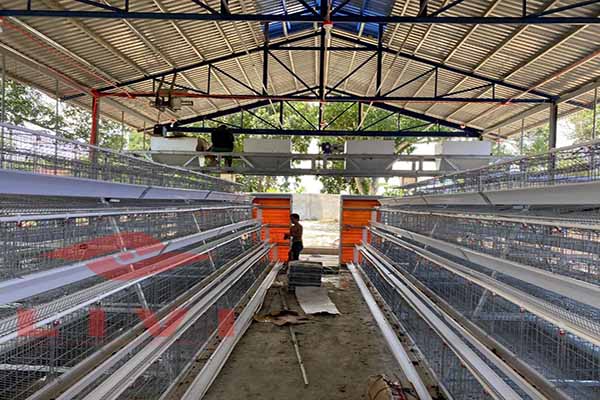
Technological Breakdown
| Component | Description | Quantity Used |
|---|---|---|
| Feed Dispensing Machines | Automated feeding systems with controlled release rates | 10 units |
| Environmental Monitoring Systems | Sensors to measure temperature and humidity | 30 units |
| Smart Cameras | High-resolution cameras for 24/7 monitoring | 20 units |
| Data Analysis Software | AI-powered platform for analyzing collected data | 1 subscription |
Investment Returns and Long-term Sustainability
With an initial investment of approximately $500,000, the farm is on track to achieve a Return on Investment (ROI) of 15% within two years. This significant increase in revenue has been made possible through increased efficiency and output, as well as lower healthcare costs.
The sustainable practices adopted not only contribute to the health an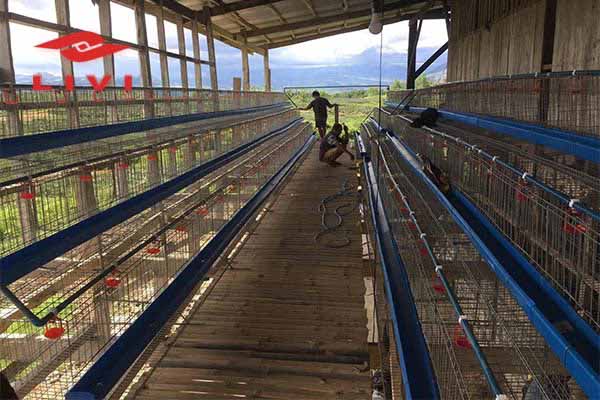 d growth of the chickens but also protect the environment. Energy-saving devices and water recirculation systems ensure minimal ecological footprint.
Conclusion
The adoption of new poultry technology in Tanzania is a testament to how modern innovations can revolutionize traditional farming practices. With the impressive results of managing an 80,000 chicken flock, this approach is undoubtedly setting new standards for efficiency and productivity.
If you’re interested in learning how you can apply these cutting-edge solutions to your own p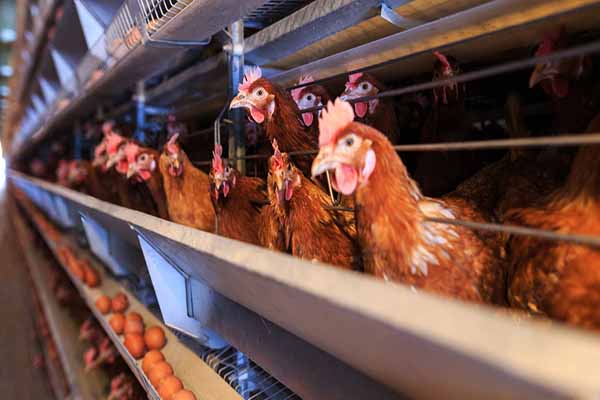 oultry operation, feel free to reach out and get in touch. Our experts at LIVI Machinery are ready to assist with complimentary design schemes and equipment quotes tailored to your farm’s needs.