Optimizing Chicken Cage Dimensions for Maximum Space in Poultry Farming
Understanding the Importance of Proper Chicken Cage Dimensions
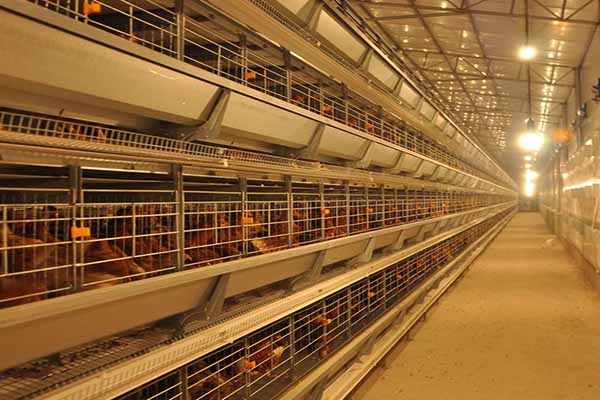
In the poultry farming industry, the design and size of chicken cages play a crucial role in the overall efficiency and productivity of the farm. The dimensions of these cages directly impact the living conditions of the chickens, which in turn affects their health, growth, and egg production. To maximize space and optimize the environment for your chickens, it is essential to understand the ideal chicken cage dimensions.
Standard Chicken Cage Dimensions
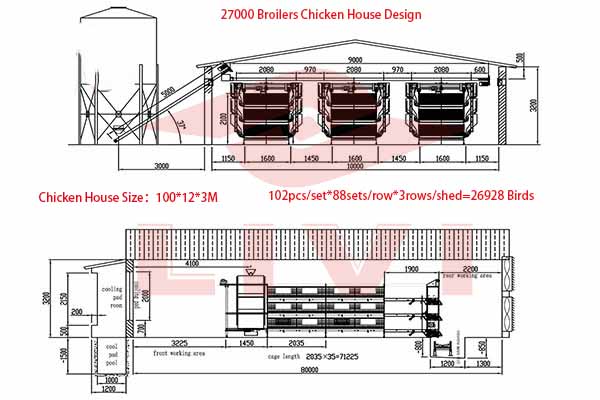
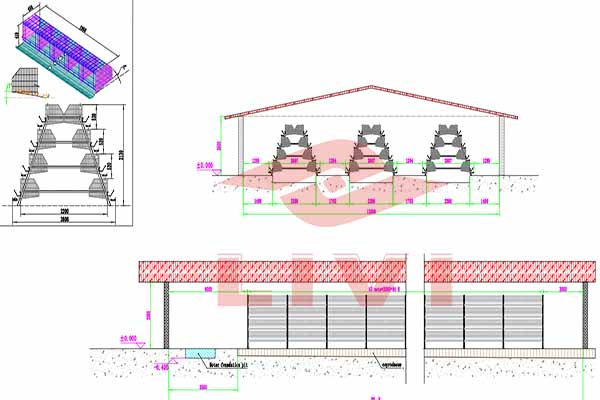
The standard dimensions for chicken cages typically range from 1.5 to 2.0 meters in length, 0.5 to 0.6 meters in width, and 1.0 to 1.2 meters in height. However, these dimensions can vary depending on the breed of chicken and the specific requirements of your farm.
Factors to Consider When Determining Chicken Cage Dimensions
– Chicken Breed: Different breeds of chickens have varying space requirements. For example, laying hens require more space than broiler chickens.
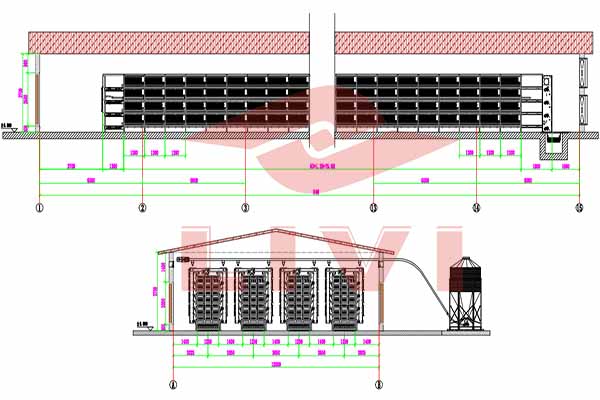
– Cage Design: The design of the cage, including the number of levels and the layout of the feeders and waterers, also affects the overall space available for the chickens.
– Airflow and Ventilation: Proper airflow and ventilation are essential for maintaining a healthy environment for the chickens. The cage dimensions should allow for adequate ventilation.
– Egg Collection: The space available should be sufficient for easy egg collection without disturbing the chickens.
Optimizing Chicken Cage Dimensions for Maximum Space
To optimize space in your chicken cages, consider the following recommendations:
– Layer cages: Increase the number of tiers to accommodate more chickens while minimizing floor space usage.
– Broiler cages: Reduce the depth of the cage to create a more compact space, as broiler chickens do not require as much room for movement.
– Feed and Water Access: Ensure that feeders and waterers are designed to fit within the cage dimensions without taking up unnecessary space.
Benefits of Optimal Chicken Cage Dimensions
– Improved Health: Properly designed cages reduce the risk of injury and disease among chickens.
– Increased Egg Production: When chickens have enough space to move around, they are more likely to lay eggs consistently.
– Enhanced Growth: Providing ample space for chickens allows them to grow and develop properly.
Conclusion
Understanding the ideal chicken cage dimensions is crucial for maximizing space and ensuring the health and productivity of your poultry farm. By considering the factors mentioned above and optimizing your cage design, you can create an environment that promotes growth, egg production, and overall well-being of your chickens.
For a customized chicken cage design and equipment quote, contact LIVI Machinery today. We offer free poultry farm design services and will be happy to assist you in creating an efficient and productive farming operation.