Poultry Cage Maintenance System: Ensuring Optimal Farm Efficiency
Introduction to Poultry Cage Maintenance
Poultry farming is a lucrative industry, but maintaining high health and productivity standards in chicken cages is crucial. An efficient poultry cage maintenance system is key to ensuring a profitable and hygienic environment. This article will delve into the essential components of a robust poultry cage maintenance system.
Components of a Poultry Cage Maintenance System
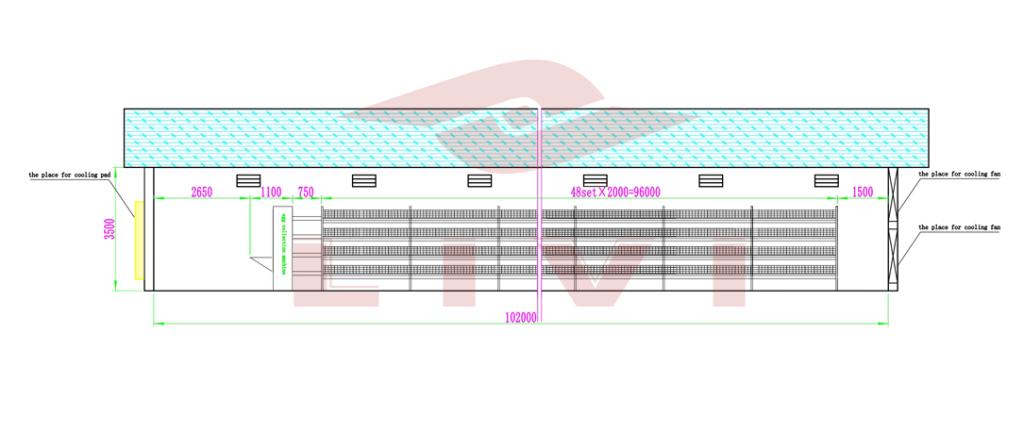
1. Ventilation: Proper ventilation is vital for a healthy flock. It helps to regulate temperature and reduce the risk of respiratory diseases. A well-designed ventilation system should ensure adequate air exchange without compromising on biosecurity.
2. Sanitation: Regular cleaning is essential to prevent the spread of diseases. A maintenance system should include automated cleaning procedures that minimize labor and reduce the risk of infection.
3. Water and Feed Disposal: Efficient water and feed disposal systems are crucial for preventing waste and maintaining a clean environment. An automated system can reduce labor costs and ensure the feed and water are always fresh and available.
4. Environmental Monitoring: Real-time monitoring of temperature, humidity, and ammonia levels helps in making informed decisions. This data-driven approach can lead to more efficient management practices.
Benefits of an Automated Poultry Cage Maintenance System
– Improved Health: A clean and well-maintained environment significantly reduces the incidence of disease, leading to better health outcomes for the chickens.
– Increased Productivity: With a reduction in disease, chickens are less likely to be lethargic, resulting in increased egg production and meat quality.
– Cost-Effectiveness: Although the initial investment in an automated system may be high, the long-term savings on labor, medication, and disease prevention can be substantial.
Case Study
At a large-scale chicken farm, the introduction of an automated poultry cage maintenance system resulted in a 20% decrease in disease incidence and a 15% increase in egg production. The farm also observed a reduction of 30% in labor costs for cleaning and feeding.
How to Implement a Poultry Cage Maintenance System
1. Assess Your Needs: Conduct a thorough assessment of your farm’s specific requirements to determine the best system for your operation.
2. Choose the Right System: Select a system that integrates ventilation, sanitation, water and feed disposal, and environmental monitoring.
3. Professional Installation: Ensure that the system is installed by professionals to avoid any potential malfunctions.
4. Training Staff: Provide comprehensive training to your staff to ensure they can operate and maintain the system effectively.
Conclusion
Investing in a high-quality poultry cage maintenance system is a wise decision for any poultry farmer or investor. By improving the health and productivity of your flock, you can enhance your farm’s profitability and sustainability.
To get a tailored养鸡设计方案 and equipment quotation from LIVI Mechanical, leave a comment below or contact us directly. Our experts are here to help you transform your poultry farm into an efficient and profitable venture.