Complete Cage-Based Poultry Startup Guide: Everything You Need to Know
1. Understanding the Market and Industry
The poultry industry is one of the fastest-growing segments of the agricultural market. To start a complete cage-based poultry startup, it is crucial to understand the market trends and consumer demands. According to a report by Grand View Research, the global poultry industry is expected to reach $1.7 trillion by 2025.
2. Choosing the Right Location
The success of your cage-based poultry startup depends largely on the location. Ensure the site has easy access to transportation networks for feed, equipment, and chicken transportation. Additionally, proximity to a large consumer base is essential.
3. Selecting the Right Breed
Choosing the right breed is critical for the success of your poultry business. Consider factors like growth rate, feed conversion ratio, and market demand. Broiler chickens are popular for their rapid growth, but other breeds like layers can provide a more consistent income.
4. Designing the Chicken Cages
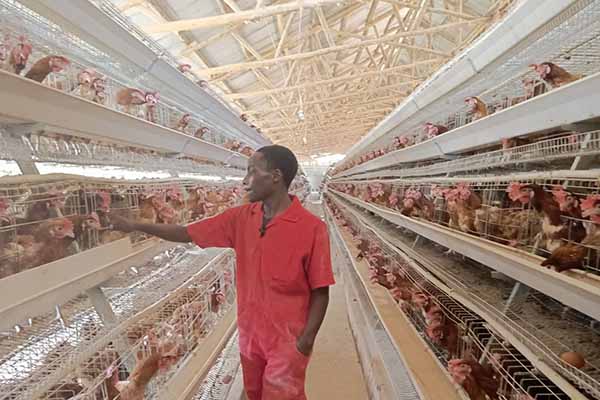
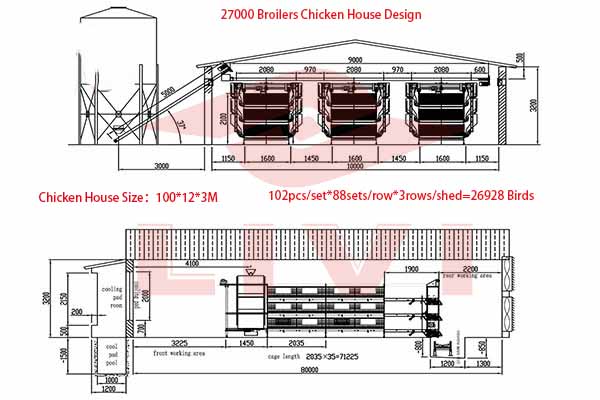
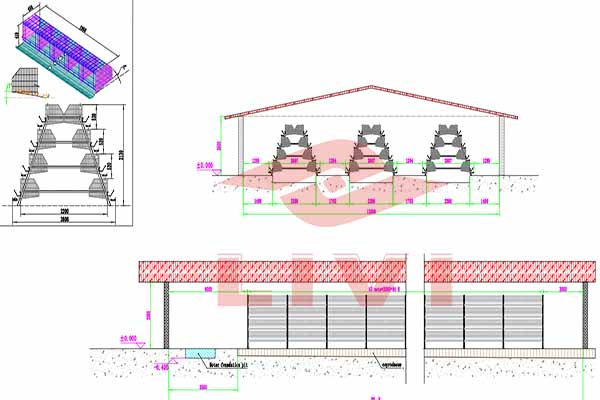
Properly designed chicken cages are essential for the health and welfare of the birds. According to the United Nations Food and Agriculture Organization (FAO), well-designed cages promote better growth rates and reduced mortality. Consider the following aspects:
- Size: Ensure the cages are spacious enough for the birds to move comfortably.
- Material: Use high-quality, durable materials to ensure the longevity of the cages.
- Accessories: Include feeding and watering systems, ventilation, and lighting.
5. Equipment and Infrastructure
Invest in high-quality equipment and infrastructure for your startup. Key components include:
- Feeding Systems: Automatic feeding systems can save time and reduce waste.
- Watering Systems: Ensure continuous access to clean water for the birds.
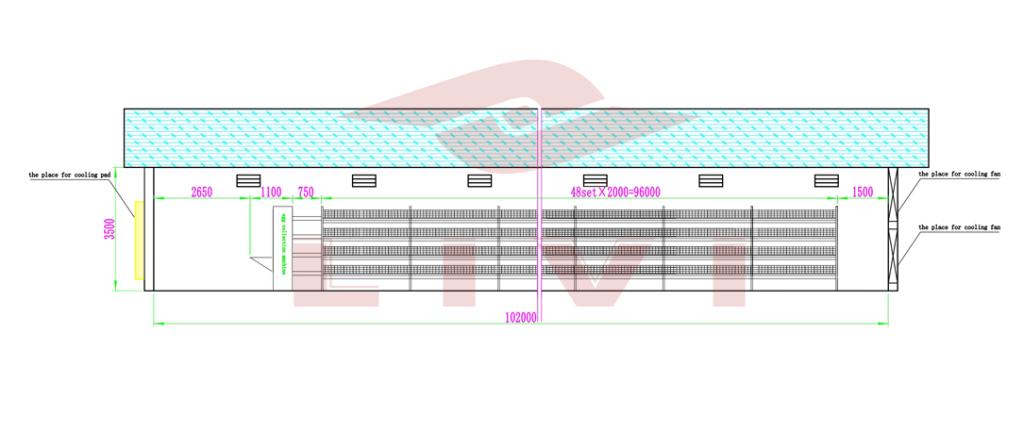
- Heating and Cooling: Provide a comfortable environment for the birds throughout the year.
6. Health Management and Biosecurity
Prevent diseases and maintain biosecurity by following best practices. This includes:
- Regular Cleaning and Disinfection: Keep the facility clean to reduce the risk of disease transmission.
- Employee Training: Educate your staff on biosecurity measures to minimize the risk of outbreaks.
7. Marketing and Distribution
Develop a strong marketing and distribution strategy to ensure a steady supply of your poultry products. This can include partnerships with local grocery stores, restaurants, and online platforms.
8. Financial Planning and Budgeting
Create a comprehensive financial plan and budget to ensure the sustainability of your business. Consider costs for feed, equipment, labor, and marketing.
Conclusion
Starting a complete cage-based poultry startup requires careful planning and attention to detail. By understanding the market, choosing the right location, breed, and equipment, and implementing proper health management and marketing strategies, you can build a successful poultry business.
For more information and to receive a free chicken farm design and equipment quote from LIVI Mechanical, please leave a comment below.