Poultry Farm Automation: Transforming Your Business with Cutting-Edge Technology
Understanding the Benefits of Automation in Poultry Farming
Poultry farming is a vital industry, contributing significantly to global food security. With advancements in technology, automation has become an indispensable tool for improving efficiency and productivity in the industry.
According to a report by the International Food Policy Research Institute (IFPRI), automated poultry farming systems can reduce production costs by up to 20%.
- Increased Productivity: Automation enables farmers to handle a larger number of birds, leading to increased productivity.
- Reduced Labor Costs: Automation can minimize the need for manual labor, resulting in cost savings for farmers.
- Improved Biosecurity: Automated systems help prevent the spread of diseases by limiting human interaction with birds.
- Enhanced Quality Control: Automation ensures consistent and high-quality poultry products.
Exploring Automation Technologies for Poultry Farms
There are several automation technologies available for poultry farming, each designed to address specific challenges. Below are some key technologies:
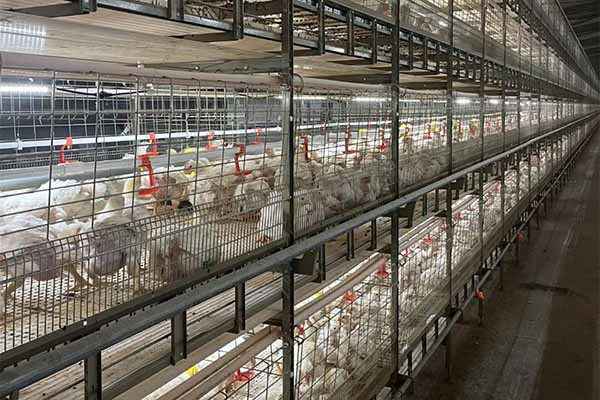
- Environmental Control Systems: These systems monitor and control temperature, humidity, and CO2 levels to ensure optimal conditions for poultry growth.
- Feeding Automation: Automated feeders distribute food evenly and at regular intervals, preventing waste and promoting uniform growth.
- Watering Systems: These systems ensure that birds have constant access to fresh water, contributing to their health and productivity.
- Flock Management Systems: These systems monitor the health and behavior of birds, enabling early detection of issues and timely interventions.
- Egg Collection Robots: These robots can automate the egg collection process, improving efficiency and reducing labor costs.
Implementing Automation in Your Poultry Farm
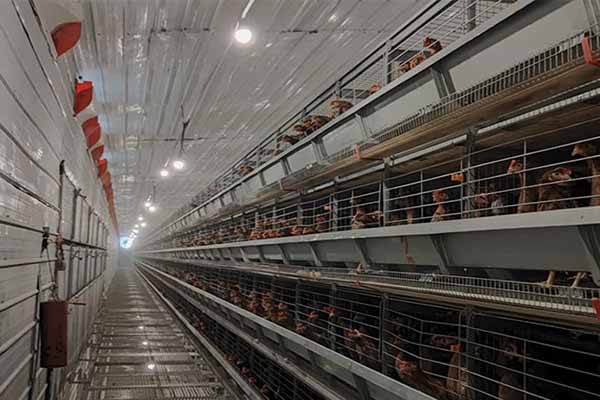
Integrating automation technology in your poultry farm can be a challenging process. Here are some key steps to ensure a successful implementation:
- Assess your farm’s specific needs and set clear goals for automation.
- Research and identify suitable automation solutions that align with your farm’s goals.
- Invest in quality automation equipment and hire trained professionals to install and maintain the systems.
- Develop a training program for your staff to ensure they are proficient in operating and maintaining the automated systems.
- Monitor the performance of the automated systems regularly and make necessary adjustments to optimize results.
Investing in poultry farm automation technology is a wise 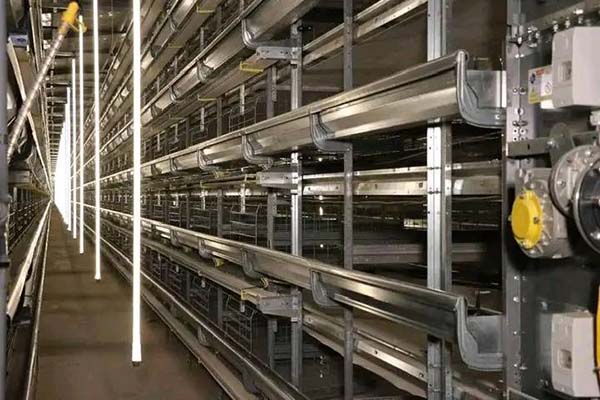 decision that can lead to significant improvements in your business. If you are considering implementing automation in your farm, don’t hesitate to reach out to LIVI Mechanical. Our team of experts can provide you with a free poultry farm automation design plan and equipment quotation. Contact us today to learn more.