Optimizing Chicken Cage Ventilation Systems for Efficient Poultry Farming
Effective ventilation is crucial in chicken cage systems to ensure the health and productivity of the poultry. This article explores the key components and best practices for implementing efficient chicken cage ventilation systems. Let’s dive in.
Understanding Chicken Cage Ventilation Systems
Chicken cage ventilation systems play a pivotal role in regulating temperature, humidity, and air quality within the poultry house. Proper ventilation not only enhances the welfare of the chickens but also contributes to increased egg production and disease prevention.
Components of an Effective Chicken Cage Ventilation System
- Airflow Rate: The ventilation system should provide sufficient airflow to maintain an optimal temperature range, typically between 70-80°F (21-27°C). The recommended airflow rate is about 1.0-1.5 cubic feet per minute per bird.
- Ventilation Inlets: These should be strategically placed on the sides of the cage to allow a cross breeze and prevent the accumulation of ammonia and other harmful gases.
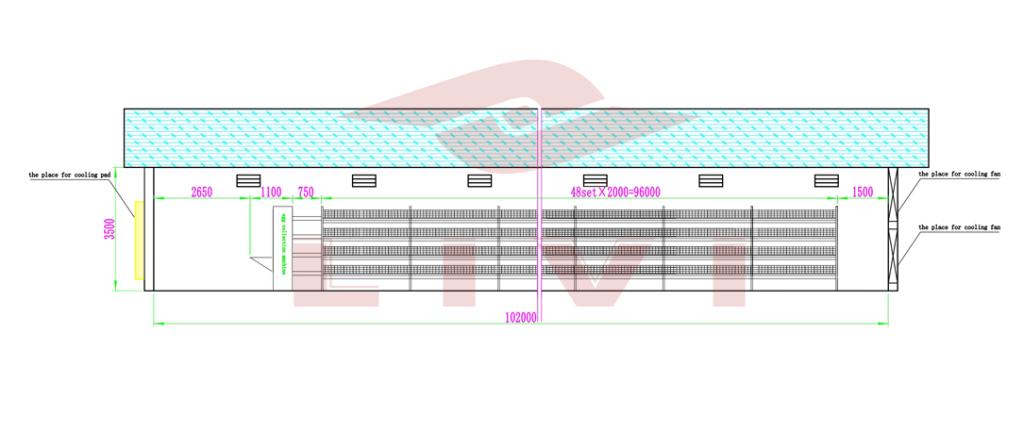
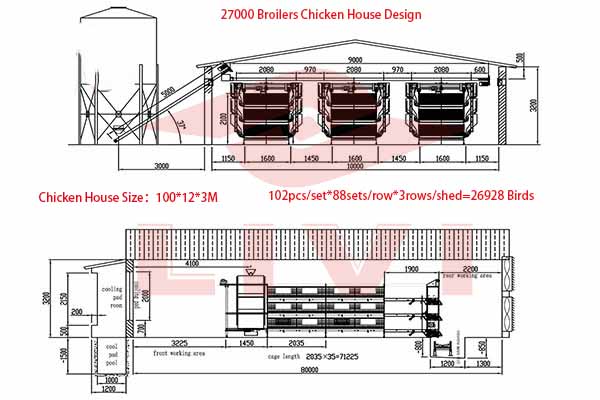
- Ventilation Outlets: High-velocity fans are often used as outlets to expel warm air and maintain a consistent temperature.
- Humidity Control: By managing humidity levels, you can reduce the risk of mold and other respiratory issues in chickens. Aim for a humidity level of 40-70%.
- Air Filters: These can trap dust, bacteria, and other airborne particles, improving the air quality in the chicken house.
Case Study: The Impact of Ventilation on Egg Production
A study by the Journal of Animal Science found that chickens housed in well-ventilated environments experienced a 10% increase in egg production compared to those in poorly ventilated conditions. This highlights the significant role of a well-designed ventilation system in maximizing productivity.
Best Practices for Installing Chicken Cage Ventilation Systems
- Professional Assessment: Consult with ventilation experts to assess your specific poultry house needs and ensure a customized system is installed.
- Regular Maintenance: Schedule regular checks and maintenance to ensure the system is operating efficiently and safely.
- Training Staff: Train your staff on the importance of ventilation and how to operate the system correctly to m
 aximize its benefits.
By incorporating these best practices, you can create a healthier and more productive poultry farm.
Contact LIVI Mechanical for Free Chicken Farming Design and Equipment Quotes
Are you ready to take your poultry farming to the next level? Contact LIVI Mechanical today for a free, professional consultation and to receive quotes for our cutting-edge chicken cage ventilation systems. Our team is here to help you design a system that will keep your chickens happy and your business profitable.