Exploring Chicken Cage Alternatives for Organic Farming
As the demand for organic products continues to grow, so does the need for sustainable and ethical farming practices. Chicken cage alternatives play a crucial role in meeting these demands while ensuring animal welfare and environmental stewardship. In this article, we will explore various chicken cage alternatives that are suitable for organic farming.
Top Chicken Cage Alternatives for Organic Farming
- Free-Range Farming: Free-range systems provide chickens with the ability to roam freely. According to a study by the Soil Association, free-range hens have access to the outdoors, which can lead to better overall health and higher quality eggs.
- Battery-free Housing: This system is an improvement over traditional battery cages. It allows hens to spread out, reduce overcrowding, and increase natural movement, thus promoting a healthier living environment.
- Mobile Housing Units: These are moveable pens that allow for regular changes in the chickens’ living spaces, promoting a natural diet and reducing the risk of disease transmission.
- High-Floor Systems: In high-floor systems, hens are elevated, and the space beneath them can be used for bedding or scratching, creating a multi-layered living area.
Benefits of Alternative Chicken Caging
Transitioning to alternative chicken cage systems for organic farming can bring numerous benefits, including:
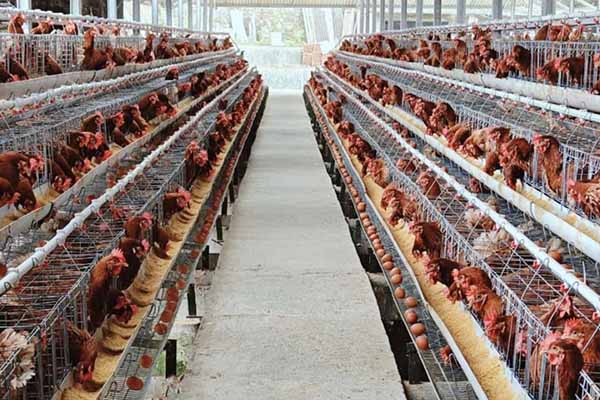
- Enhanced Animal Welfare: Providing hens with more space and freedom of movement can lead to reduced stress and increased happiness, which can result in better-quality produce.
- Environmental Impact: Alternative systems often reduce the carbon footprint of the farm by requiring less feed and energy compared to traditional methods.
- Market Differentiation: Consumers are increasingly seeking out organic and ethically produced goods, making alternative caging a valuable marketing tool.
Implementation Considerations
When implementing alternative chicken caging systems, several factors need to be considered:
- Initial Investment: Transitioning to new systems can involve a significant upfront cost. However, over time, these systems can be more cost-effective.
- Space Requirements: Ensure that you have the land and infrastructure to support the chosen alternative system.
- Regulatory Compliance: Make sure your new systems meet organic certification requirements and any other local regulations.
Case Studies
Many successful farms have implemented alternative caging systems, resulting in increased profits and consumer satisfaction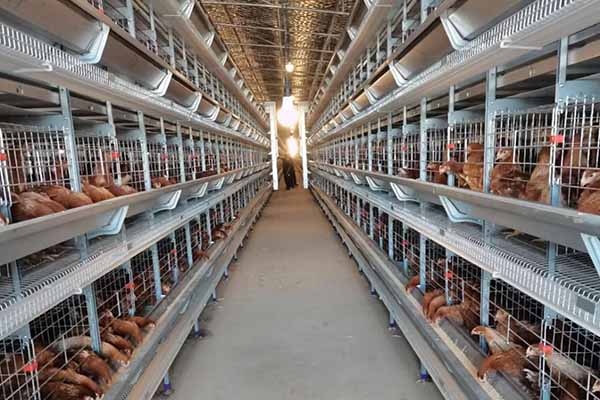 . For example, a farm in the UK reported a 15% increase in egg production and a 10% decrease in mortality rate after switching to a high-floor system.
Conclusion
As the demand for organic products continues to rise, chicken cage alternatives are essential for sustainable and ethical farming practices. By choosing the right alternative, you can improve animal welfare, reduce environmental impac t, and differentiate your product in the market. Contact us today for a free, customized chicken farm design and equipment quote from Livi Mechanical.