Battery Cage System in Poultry: An In-Depth Analysis
The battery cage system has become a staple in modern poultry farming. This article delves into the intricacies of the system, its benefits, and its impact on the industry. By understanding the details, poultry farmers and investors can make informed decisions for their businesses.
Understanding the Battery Cage System
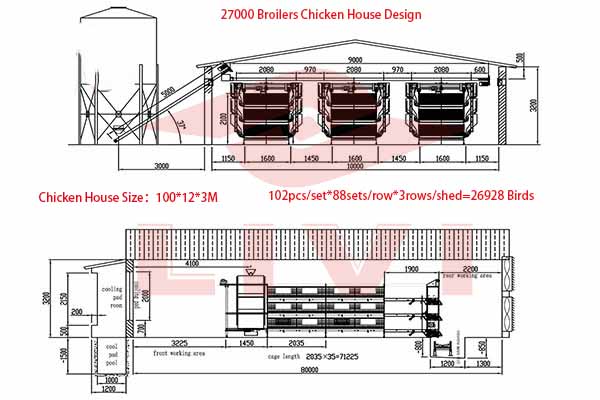
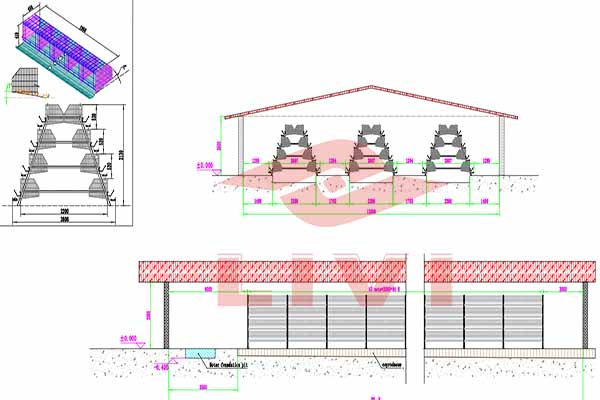
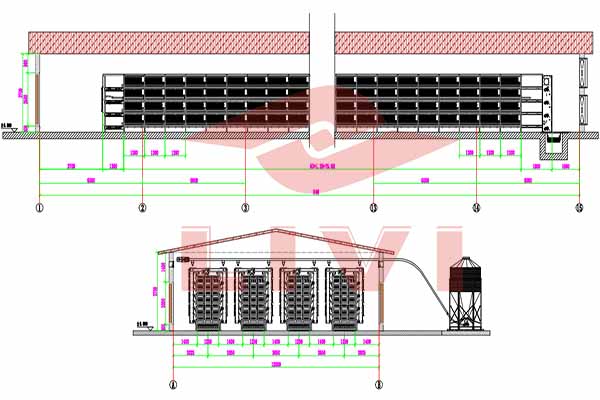
The battery cage system is a method of housing laying hens where each bird is confined to an individual cage. These cages are stacked vertically, allowing for efficient use of space in the poultry house. Here are some key points about the system:
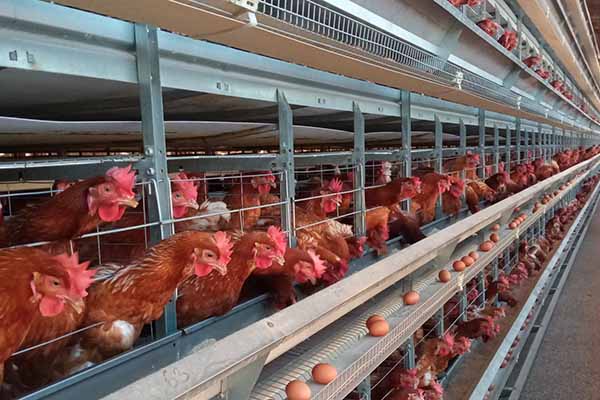
- Individual cages are typically 12-18 inches wide and 24-30 inches long.
- Cages are made of metal or plastic and are designed to prevent the hens from soiling each other’s eggs.
- Access to feed and water is usually automated to ensure each hen receives adequate nutrition.
Benefits of the Battery Cage System
Despite some criticisms, the battery cage system offers several advantages:
- Space Efficiency: The vertical stacking of cages maximizes the use of land, which is particularly beneficial in densely populated areas.
- Health Management: The individual nature of the cages makes it easier to monitor and manage the health of each bird.
- Productivity: The controlled environment of the battery cage system can lead to higher egg production rates.
- Cost-Effectiveness: The system is generally more cost-effective than other housing methods.
Challenges and Concerns
While the battery cage system has its benefits, it also faces challenges and concerns:
- <strong Ethical Concerns: There is ongoing debate about the welfare of hens in battery cages, with some arguing that the system is inhumane.
- <strong Environmental Impact: The use of metal and plastic in the construction of cages can have negative environmental implications.
Market Trends
According to recent studies, the global poultry cage market is expected to grow at a CAGR of 4.5% from 2020 to 2025. This growth is driven by factors such as increasing consumer demand for eggs and the need for efficient housing solutions.
Case Study: Battery Cage System in Action
In a study conducted by the Poultry Science Association, it was found that the battery cage system resulted in an average egg production of 320 eggs per hen per year. This is a significant increase compared to other housing methods.
Conclusion
The battery cage system is a crucial component of modern poultry farming. While it offers numerous benefits, it is essential to consider the ethical and envi ronmental implications. As the industry continues to evolve, poultry farmers and investors must stay informed and adapt to new trends and technologies.
For more information on the battery cage system or to discuss your specific needs, pl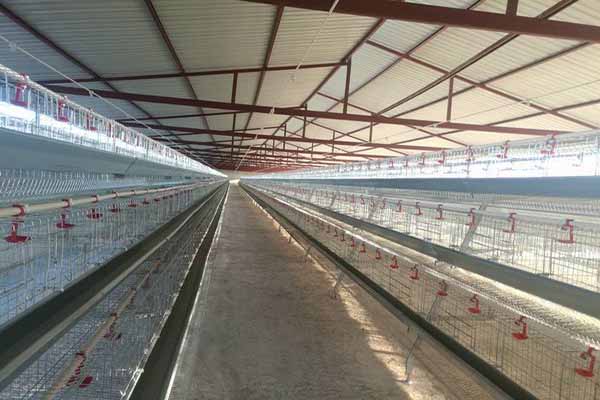 ease feel free to leave a comment below. Our team at Livi Mechanical is here to assist you with free poultry farming design plans and equipment quotes.