Battery Cages for Hot Climates: A Guide for Poultry Farmers and Investors
Understanding the Challenge of Hot Climates in Poultry Farming
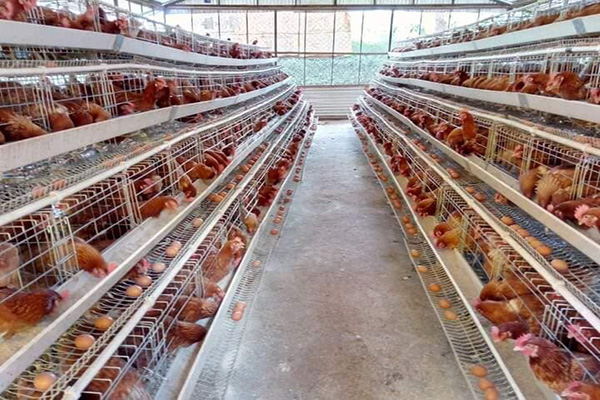
Poultry farming in hot climates can be challenging due to the extreme temperatures that can impact the health and productivity of birds. Battery cages are a common method of housing chickens, but they must be designed to withstand hot conditions. This article explores the key considerations for battery cages in hot climates, providing insights for farmers and investors.
Key Considerations for Battery Cages in Hot Climates
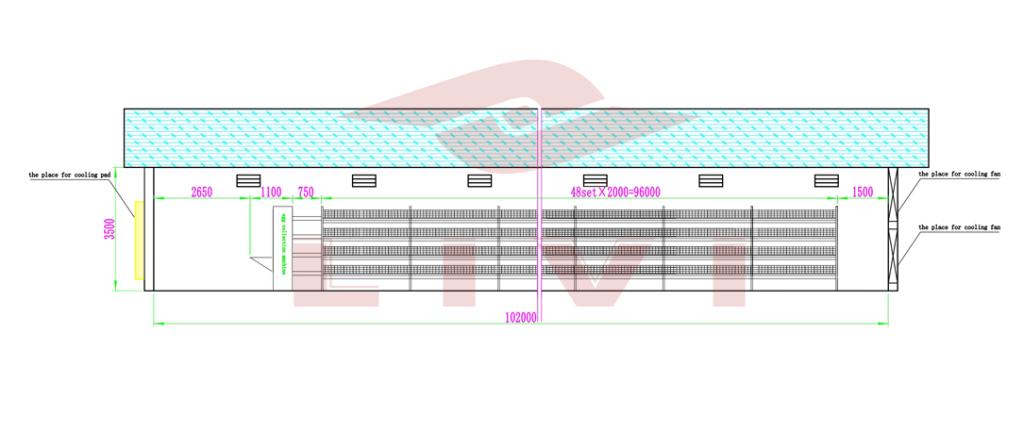
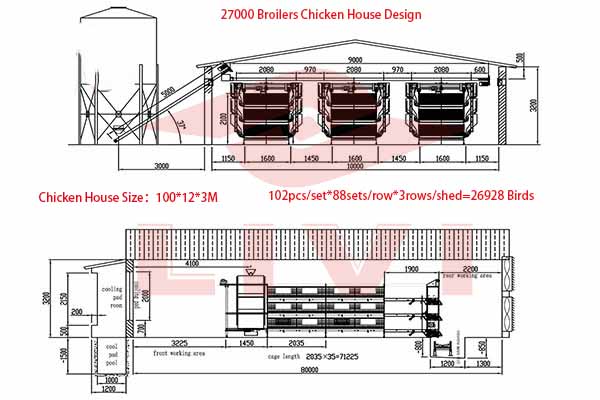
– Ventilation: Proper ventilation is crucial to reduce heat stress in poultry. Cages should be equipped with vents that allow air to flow through, promoting a cooler environment.
– Insulation: Insulation helps to retain cool air and reduce heat gain. Materials like reflective foil or foam can be used to line the inside of the cages.
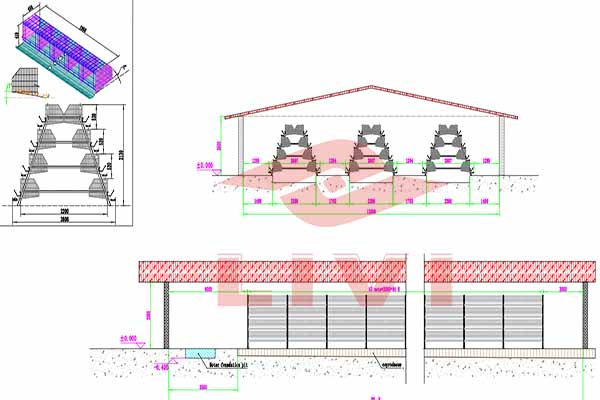
– shade: Providing shade in and around the cages can significantly lower temperatures. This can be achieved through natural means, such as positioning the cages in a shaded area, or through the use of shade cloths or structures.
Benefits of Well-Designed Battery Cages in Hot Climates
– Improved Health: By reducing heat stress, well-designed cages can improve the health and well-being of the birds, leading to higher productivity.
– Cost-Effectiveness: Proper insulation and ventilation can lower cooling costs, making the operation more financially sustainable.
– Regulatory Compliance: Many regions have specific regulations regarding the housing of poultry in hot climates. Well-designed battery cages can help farmers comply with these requirements.
Case Study: Successful Battery Cages in Hot Climates
A poultry farm in a tropical region implemented a new battery cage design with improved ventilation and insulation. As a result, the average daily weight gain of the chickens increased by 15%, and the mortality rate decreased by 10%.
Additional Tips for Poultry Farmers in Hot Climates
– Regular Monitoring: Regularly check the temperature and humidity in the cages to ensure they are within a comfortable range for the birds.
– Water Availability: Ensure that birds have access to clean, cool water throughout the day.
– Feeding Schedule: Adjust the feeding schedule to avoid feeding during the hottest parts of the day.
Conclusion
Choosing the right battery cage design for hot climates is essential for successful poultry farming. By considering ventilation, insulation, and shade, farmers can create a more comfortable environment for their birds, leading to improved health and productivity.
For more information or to receive a free poultry farming design plan and equipment quote from LIVI Mechanical, please feel free to leave a comment below.