Cage Systems for Large-Scale Egg Production in Kenya: Optimizing Efficiency and Yield
Introduction
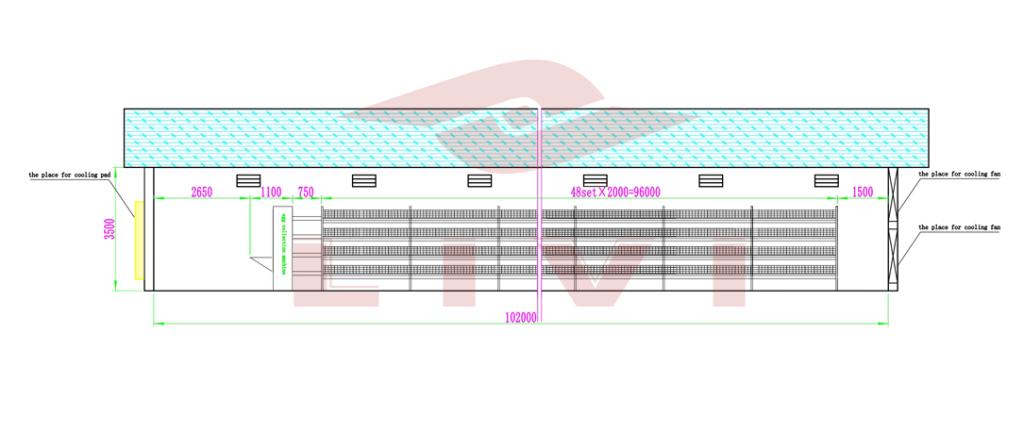
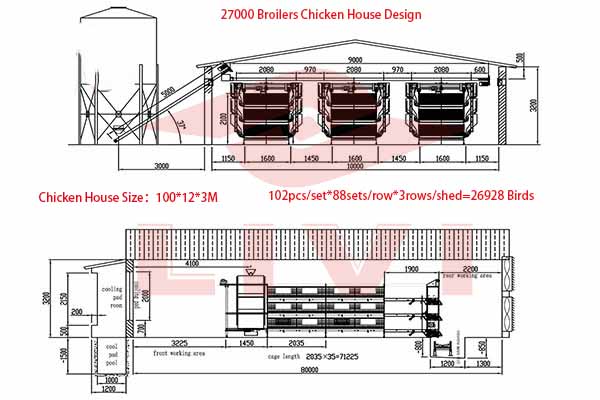
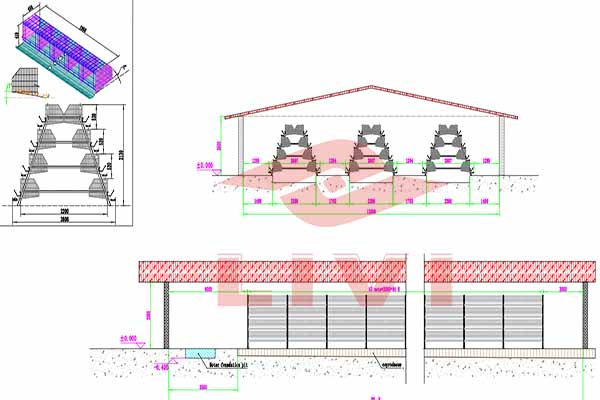
The egg production industry in Kenya has seen significant growth over the years, with large-scale farms playing a pivotal role in meeting the increasing demand for eggs. As a key component of an efficient and profitable operation, the selection of the right cage system is crucial. In this article, we will explore the various aspects of cage systems for large-scale egg production in Kenya, including design, capacity, and maintenance.
Types of Cages for Large-Scale Egg Production in Kenya
1. Layer Cages: These are the most common type of cages used for egg production. They are designed to accommodate several hens and ensure easy access to feed and water.
2. Battery Cages: Battery cages are similar to layer cages but are more compact, which makes them suitable for high-density housing. They are ideal for large-scale farms that require maximum egg production in a limited space.
3. Enriched Cages: These cages provide additional space for hens to move around and engage in natural behaviors, such as dust bathing and foraging. This can improve the overall health and welfare of the birds.
Key Considerations for Choosing the Right Cage System
– Capacity: Determine the number of birds you want to house and select a cage system that can accommodate the required number without overcrowding.
– Space: Ensure that the cage system provides enough space for the hens to move around comfortably and engage in natural behaviors.
– Ventilation: Proper ventilation is crucial to maintain a healthy environment for the hens and prevent the buildup of ammonia and other harmful gases.
– Ease of Cleaning and Maintenance: Choose a cage system that is easy to clean and maintain to ensure the long-term health of the birds and the efficiency of the operation.
Benefits of Using Cages for Large-Scale Egg Production in Kenya
– Increased Production: Cages help in maintaining a consistent egg production rate by minimizing stress and disease.
– Reduced Labor Costs: Cages make it easier to manage the flock, reducing the labor required for feeding, watering, and collecting eggs.
– Improved Egg Quality: Properly designed cages can contribute to better egg quality by reducing the risk of contamination and damage.
Conclusion
Selecting the right cage system for large-scale egg production in Kenya is essential for optimizing efficiency and yield. By considering factors such as capacity, space, ventilation, and ease of maintenance, you can ensure a successful and profitable operation.
For more information on cage systems and to receive a free poultry farming design and equipment quotation from LIVI Machinery, please leave a comment below or contact us directly.