Chicken Coop Modifications for Cold Climates: Enhancing Livestock Comfort and Productivity
As temperatures drop, ensuring the comfort and productivity of chickens in cold climates becomes a top priority for poultry farmers and investors. Implementing effective chicken coop modifications can make a significant difference in the well-being and output of your flock. In this article, we’ll explore key modifications to enhance your cold climate chicken coop.
1. Insulation: The Foundation of a Warm Coop
Proper insulation is crucial for maintaining a cozy environment in cold climates. Consider the following insulation strategies:
- Thermal insulation panels: These panels can be installed on the walls and roof to reduce heat loss.
- Insulating materials: Materials like straw, wood shavings, or foam boards can be used to insulate the interior of the coop.
- Seal gaps: Ensure all gaps and cracks are sealed to prevent cold air from entering the coop.
2. Heating Systems: Keeping Chickens Warm
Temperature control is essential for the health of chickens. Here are some heating options to consider:
- Electric heaters: Provide a controlled heat source, but be cautious of fire hazards.
- Heat lamps: Inexpensive and easy to install, they can keep the coop warm, but they require careful placement to avoid burns.
- Water-based heating systems: These systems use water to distribute heat throughout the coop, providing a more even and natural heat source.
3. Airflow Management: Ventilation in Cold Climates
Proper ventilation is just as important in cold climates as in warmer weather. Here’s how to manage airflow:
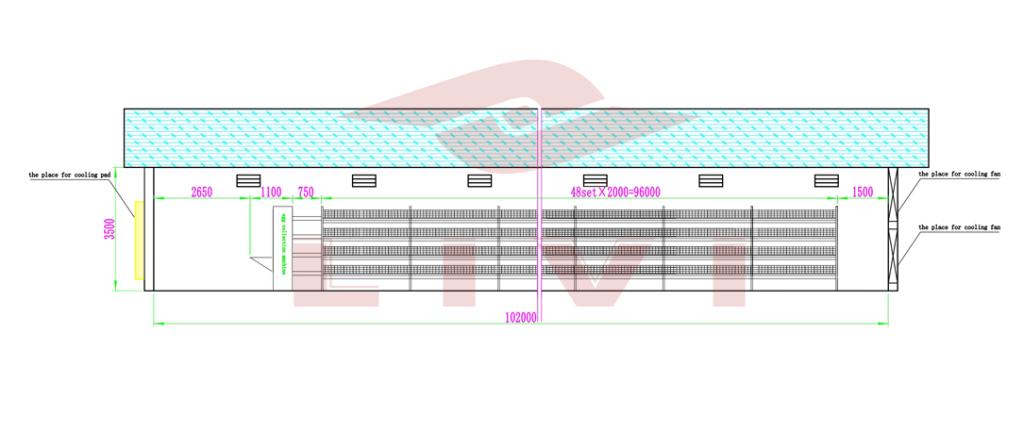
- Adjustable vents: Allow you to control the amount of air entering the coop based on the temperature.
- Exhaust fans: Help expel stale air and reduce moisture levels, which is crucial in cold weather.
- Insulated ventilation pipes: Prevent heat loss while allowing for effective air exchange.
4. Bedding Material: Keeping Paws Dry and Warm
Choosing the right bedding material can help keep chickens comfortable during cold spells:
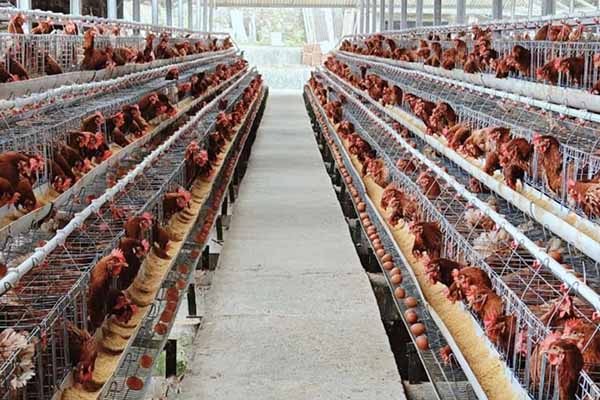
- Straw or wood shavings: Absorb moisture and provide insulation, but be sure to change them regularly to prevent odors and disease.
- Hay: A good alternative to straw, but may require more frequent replacement.
- Heated mats: Can be placed in the nesting boxes to keep the hens warm and encourage laying.
5. Coop Design Considerations
The overall design of your chicken coop can impact its ability to withstand cold weather:
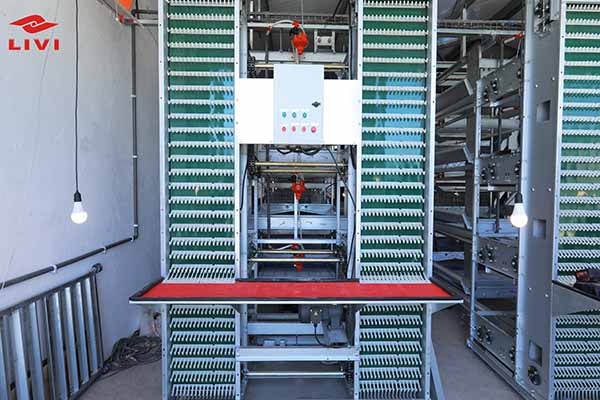
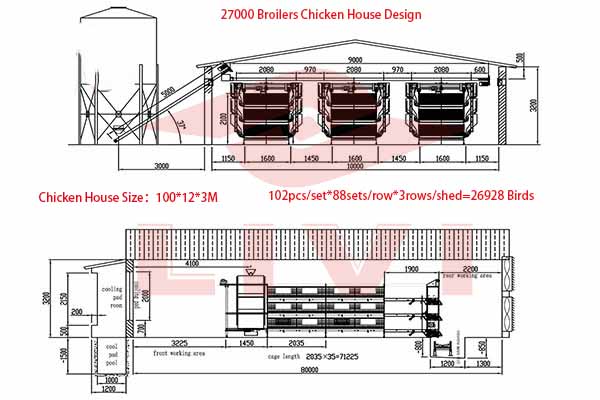
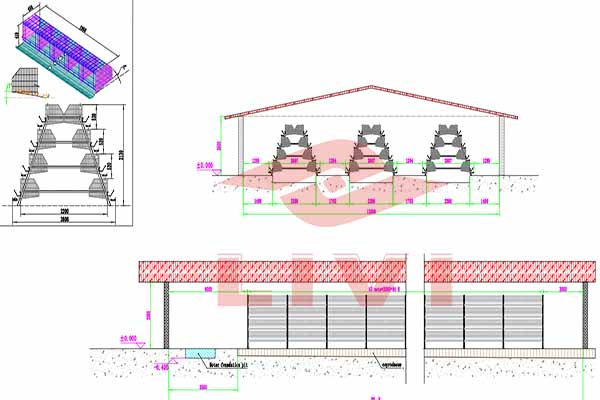
- Orientation: Position the coop to maximize sunlight exposure and minimize wind exposure.
- Roof pitch: A steep pitch can help shed snow and reduce the weight on the roof.
- Windows: Use double-glazed windows to retain heat and provide natural light.
By implementing these modifications, you can create a more comfortable and productive environment for your chickens in cold climates. Remember, the right combination of insulation, heating, ventilation, and bedding can make a significant difference in the health and well-being of your flock.
For more information on how to optimize your chicken coop for cold climates or to receive a free, customized chicken coop design and equipment quote from LIVI Mechanical, please leave a comment below or contact us directly.