How to Build a Chicken Farm in Nigeria: A Comprehensive Guide
Understanding the Market and Regulations
To build a successful chicken farm in Nigeria, it is crucial to first understand the market dynamics and comply with local regulations. The poultry industry in Nigeria is one of the fastest-growing sectors, with a high demand for eggs and chicken meat. However, to capitalize on this market, one must adhere to the following steps:
–
- Market Research: Conduct thorough market research to identify potential areas with high demand.
- Regulatory Compliance: Ensure your farm meets all the necessary government regulations, including health and safety standards.
- Environmental Impact: Consider the environmental impact of your farm to minimize ecological damage.
Site Selection and Infrastructure
The location of your chicken farm is key to its success. Here are some factors to consider:
–
- Proximity to Markets: Choose a location close to major markets to reduce transportation costs.
- Availability of Resources: Ensure a steady supply of water and electricity.
- Accessibility: Make sure the site is easily accessible for suppliers and buyers.
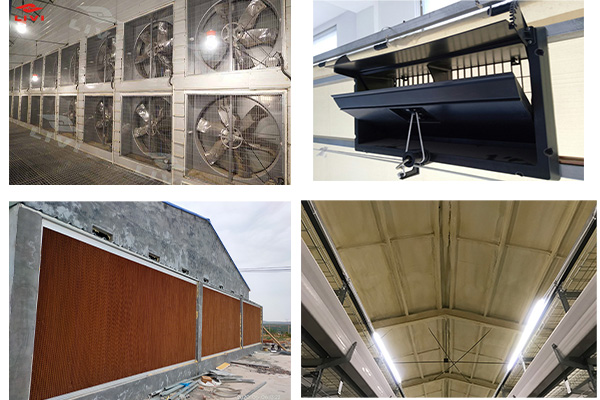
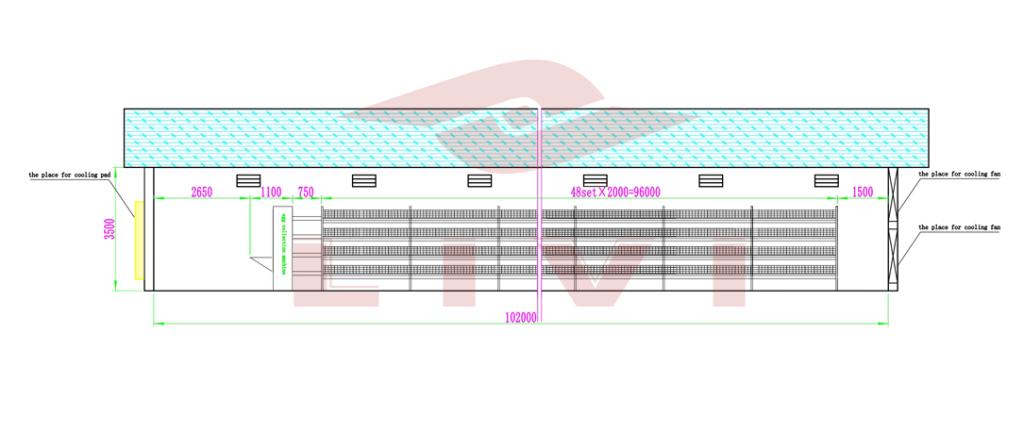
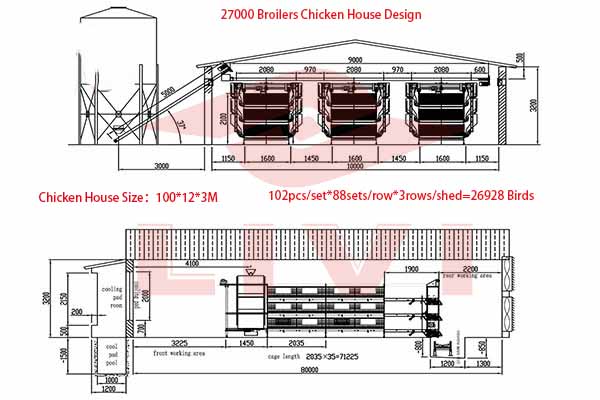
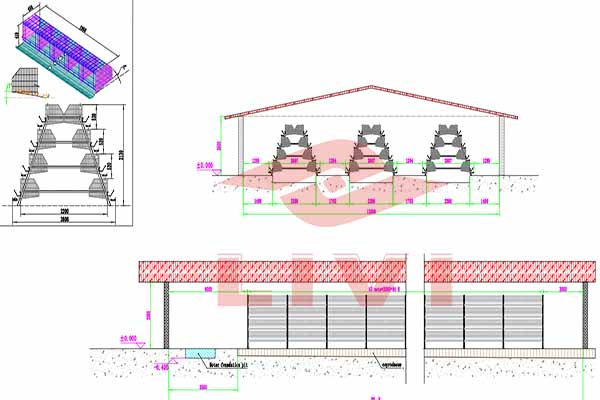
Once the site is selected, invest in the following infrastructure:
–
- Brooder Houses: These are used for the initial rearing of chicks.
- Grow-out Houses: Designed for raising chickens from one to three months old.
- Feed Storage Facilities: Secure storage for feed to prevent spoilage and theft.
- Water Systems: A reliable source of water for the chickens and farm operations.
Chicken Breed Selection and Management</h Layers of high-quality chicken breeds are essential for optimal production. Consider the following:
–
- Broiler Breeds: For meat production, broiler breeds like Cobb, Ross, and Hubbard are popular choices.
- Laying Hens: For egg production, breeds like White Leghorn and ISA Brown are recommended.
- Health Management: Implement a strict biosecurity program to prevent disease outbreaks.
Feeding and Nutrition
Proper nutrition is crucial for healthy chickens. Here’s what you need to know:
–
- Quality Feed: Invest in high-quality feed that meets the nutritional requirements of your chickens.
- Feeding Schedule: Maintain a consistent feeding schedule to ensure optimal growth and production.
- Water Availability: Provide fresh, clean water at all times.
Costs and Return on Investment
Understanding the costs and potential return on investment is vital. Here’s a breakdown:
–
- Capital Expenditure: This includes the cost of land, infrastructure, and equipment.
- Operating Costs: These are ongoing expenses such as feed, labor, and utilities.
- Return on Investment: A well-managed chicken farm can yield returns within two to three years.
Conclusion
Building a chicken farm in Nigeria requires careful planning, investment, and management. By following this comprehensive guide, you can increase your chances of success in the poultry industry.
For more information and to receive a free chicken farm design and equipment quote from LIVI Machinery, please leave a comment below or contact us directly.