Optimizing Chicken Cage Ventilation Systems: Key Considerations for Poultry Farm Efficiency
Efficient ventilation in chicken cage systems is crucial for maintaining optimal conditions for poultry health and productivity. In this article, we delve into the importance of ventilation systems in chicken farming and provide insights into the best practices for their installation and maintenance.
Understanding the Importance of Chicken Cage Ventilation Systems
Proper ventilation is essential for controlling temperature, humidity, and air quality within the chicken cage environment. This not only ensures the well-being of the birds but also enhances the overall efficiency of the farm.
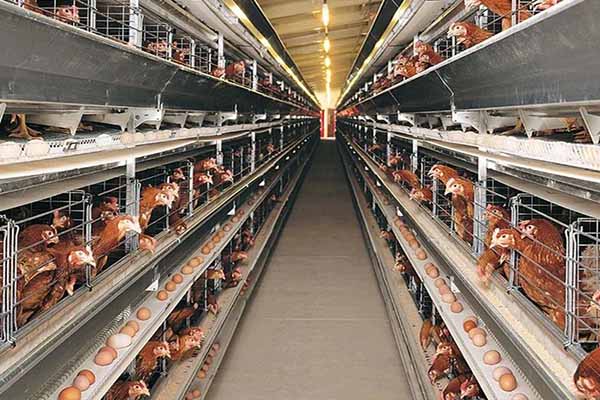
- Temperature Control: Ventilation helps regulate the temperature, preventing overheating and chilling, which can lead to health issues and reduced egg production.
- Air Quality: Good ventilation reduces the risk of ammonia and carbon dioxide buildup, which can be harmful to the birds and decrease their immune response.
- Humidity Management: By controlling humidity, ventilation systems prevent the growth of mold and bacteria, reducing the risk of disease outbreaks.
Key Components of Chicken Cage Ventilation Systems
When designing a ventilation system for chicken cages, several components should be considered:
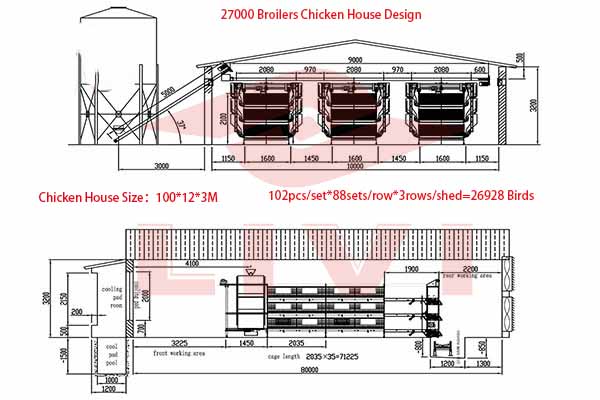
- Intake and Exhaust Fans: These are critical for maintaining air flow and exchanging stale air with fresh air.
- louvers: They control the flow of air and can be adjusted to manage temperature and humidity.
- Heat Exchangers: These can be used to reduce the energy consumption of ventilation systems by preheating incoming air.
- Control Systems: Automated systems can optimize ventilation based on environmental conditions and the age of the chickens.
Best Practices for Chicken Cage Ventilation System Installation
Installing an effective ventilation system requires careful planning and consideration of the following factors:
- Location: Position intake and exhaust fans strategically to ensure even air distribution.
- Size: Ensure the system is appropriately sized for the number of chickens and the volume of the cage area.
- Material: Use materials that are durable and resistant to corrosion and temperature extremes.
- Compliance: Adhere to local regulations and industry standards for poultry farming
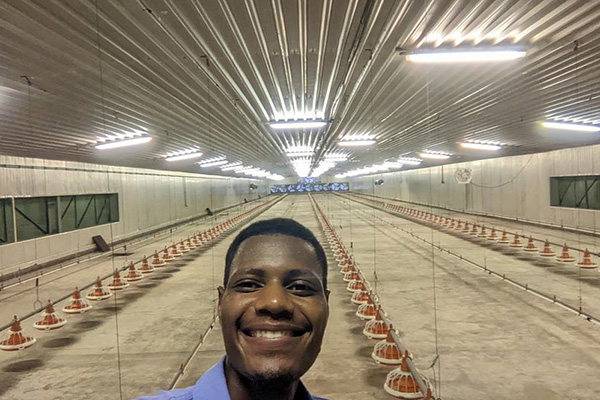 .
.
Benefits of a Well- Designed Ventilation System
A well-designed ventilation system offers several benefits, including:
- Improved Productivity: Healthy chickens are more productive, leading to increased egg yields and reduced mortality rates.
- Reduced Costs: Efficient ventilation can lead to lower energy bills and reduced costs for cooling and heating systems.
- Enhanced Animal Welfare: A comfortable environment promotes the well-being of the chickens, leading to higher quality produce.
According to a study by the Agricultural Research Service, farms with advanced ventilation systems can see a 15% increase in egg production and a 10% reduction in energy costs.
Conclusion
Investing in a high-quality chicken cage ventilation system is a smart move for any poultry farmer or investor. By ensuring optimal conditions for your chickens, you can improve produc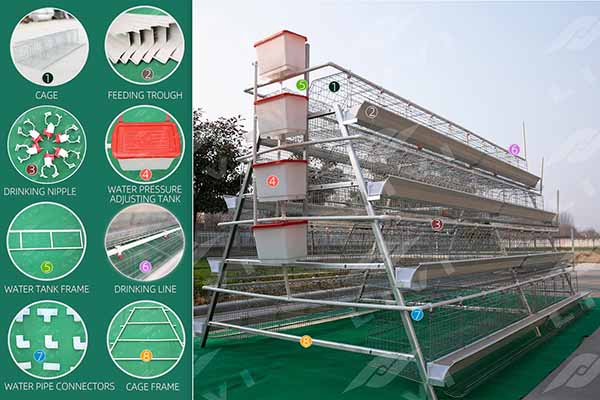 tivity, reduce costs, and enhance animal welfare.
For a free consultation on the best ventilation solutions for your farm, leave a comment below or contact us directly. Our team at LIVI Mechanical is here to help you create a customized ventilation system that meets your specific needs.