Optimizing Poultry Farm Productivity with Advanced Climate Control Systems
Understanding the Importance of Climate Control in Poultry Farming
Poultry farming is a delicate balance of providing the optimal environment for birds to thrive. One critical aspect often overlooked is the role of climate control. According to a study by the FAO, proper climate management can significantly increase poultry production efficiency by up to 15%.
Climate control systems are essential for maintaining stable temperatures, humidity levels, and air quality, which are all vital for the health and growth of poultry. Inadequate climate control can lead to poor performance, increased mortality rates, and reduced egg production.
Key Components of an Effective Poultry Climate Control System
An effective poultry climate control system should include the following components:
- Temperature Regulation: Precision heating and cooling units to maintain a constant and comfortable temperature for the birds.
- Humidity Control: Dehumidifiers and humidifiers to regulate humidity levels, preventing the growth of mold and maintaining bird health.
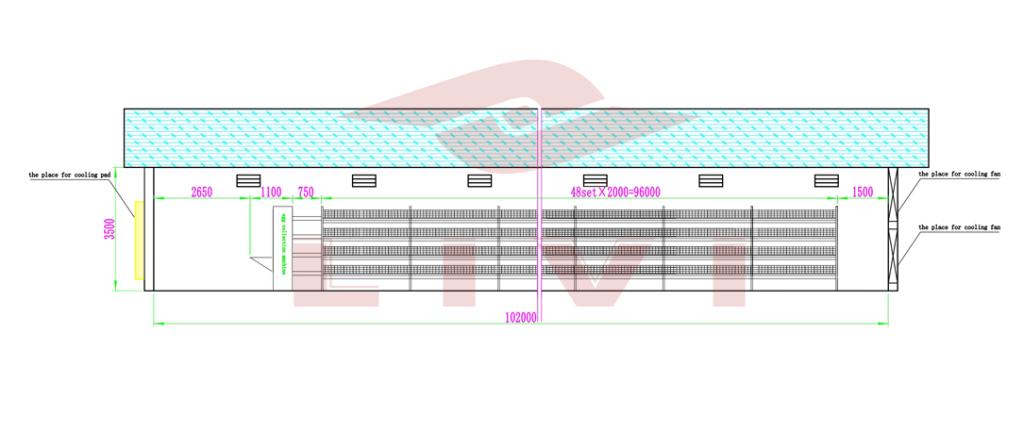
- Airflow Management: Fans and air filters to ensure a steady and filtered airflow, reducing dust and disease spread.
- Monitoring and Control Systems: Advanced sensors and programmable controllers to monitor and adjust the climate conditions in real-time.
Case Study: The Impact of Climate Control on Poultry Performance
A poultry farm in North Carolina implemented an advanced climate control system, which resulted in the following improvements:
| Parameter | Before Implementation | After Implementation |
|---|---|---|
| Bird Mortality Rate | 4% | 2% |
| Egg Production | 3200 eggs/day | 3600 eggs/day |
| Total Costs (Energy, Maintenance, etc.) | $1500/month | $1200/month |
Choosing the Right Climate Control System for Your Poultry Farm
When selecting a climate control system for your poultry farm, consider the following factors:
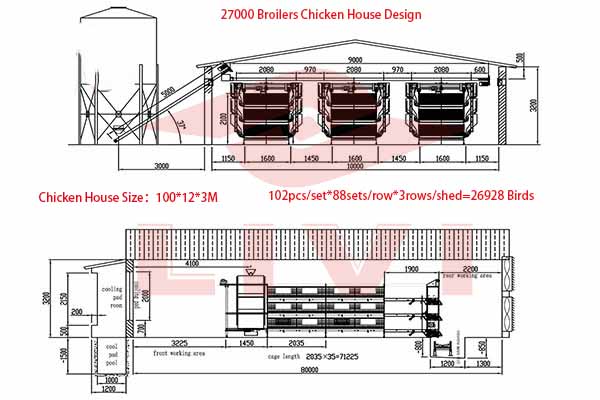
- Farm Size: The size of your farm will determine the capacity and complexity of the system needed.
- Climate Conditions: Local weather patterns will influence the specific type of climate control equipment required.
- Budget: Balance the initial investment with long-term energy savings and operational efficiency.
- Professional Consultation: Seek advice from experts to ensure the system meets all your farm’s specific needs.
Conclusion
Implementing a reliable poultry climate control system is a crucial step in optimizing productivity and profitability in the poultry farming industry. By maintaining ideal environmental conditions, farmers can significantly improve the health and performance of their birds.
Don’t miss out on the benefits of advanced climate control. For a free poultry farm design consultation and equipment quote, contact us at LIVI Mechanical today!