Poultry Farming Business Startup Guide
Embarking on a poultry farming business venture can be a lucrative and rewarding endeavor. Whether you’re an experienced farmer looking to expand your operations or a beginner seeking to break into the industry, a well-thought-out startup guide is essential. Below, we outline key considerations for launching a successful poultry farming business.
Market Research and Planning
Before setting up your poultry farm, conduct thorough market research to understand the demand for different types of poultry products. Use the following guide to help you navigate this critical step:

- Target Market: Identify the demographics and geographical location of your potential customers. This will help you tailor your product offerings to meet their needs.
- Competitor Analysis: Examine existing poultry farms in your area to understand their operations, pricing strategies, and market share. Use this information to differentiate your farm.
- Supply Chain: Establish partnerships with suppliers for feed, equipment, and other necessary materials to ensure a stable supply chain.
Location and Facilities
Choosing the right location and building suitable facilities is crucial for your poultry farming business. Here’s what you need to consider:
- Climate: Select a location with a suitable climate for raising your chosen poultry species. Ensure that the area has adequate water sources and temperature control capabilities.
- Land Availability: Ensure you have enough space for your poultry population and expansion potential. Plan for future growth when purchasing land.
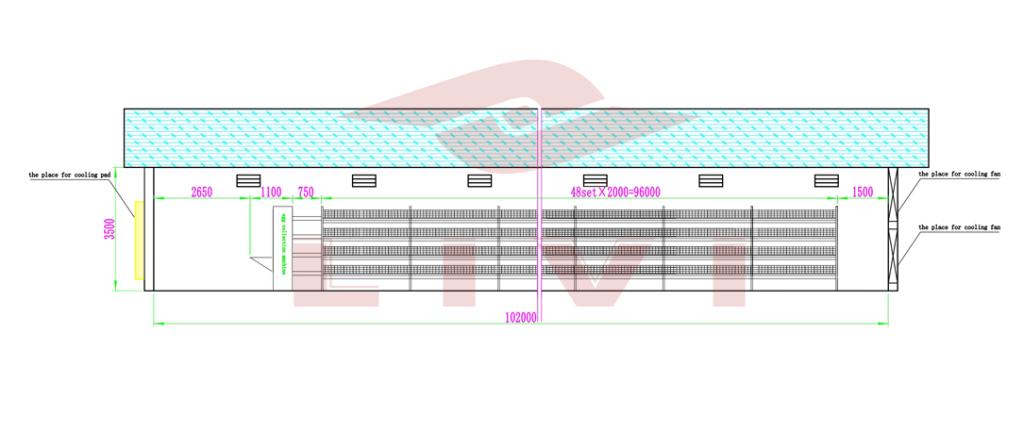
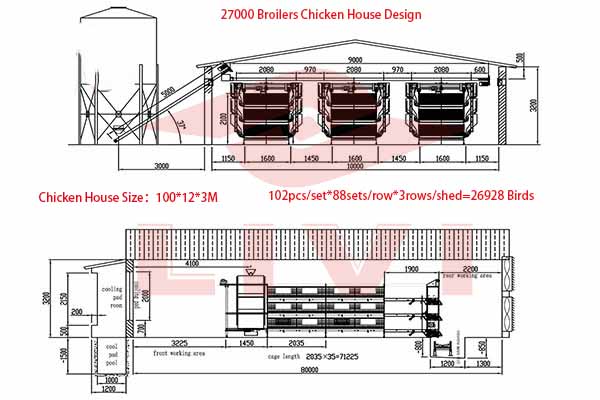
- Infrastructure: Install essential infrastructure, such as ventilation, water systems, and waste management systems, to ensure a comfortable environment for your poultry.
Legal and Financial Considerations
Running a poultry farm involves various legal and financial obligations. Below are some key factors to consider:

- Business Structure: Decide on a business structure (e.g., sole proprietorship, partnership, or corporation) and register your business with the appropriate government agency.
- Permits and Regulations: Obtain the necessary permits and comply with local, state, and federal regulations related to poultry farming.
- Financial Planning: Create a comprehensive business plan, including budgeting, capital requirements, and financial projections. Consider securing loans or seeking investors if needed.
Equipment and Technology
Selecting the right equipment and technology can greatly enhance the efficiency and profitability of your poultry farming business. Consider the following:
- Feed Systems: Choose feeders that optimize feed conversion and reduce waste.
- Environmental Control: Invest in ventilation systems and temperature controls to create an ideal en
 vironment for your poultry.
 - Automation: Explore automation options to streamline operations and reduce labor costs.
Marketing and Sales Strategies
Develop a marketing and sales plan to reach your target market and establish a competitive advantage:
- Brand Building: Create a strong brand identity and logo to enhance your farm’s image and recognition.
- Direct Sales: Establish relationships with local restaurants, grocery stores, and other businesses for direct sales.
- Digital Marketing: Utilize social media and other online platforms to reach a wider audience.
As you implement these strategies, remember that ongoing monitoring and adjustment are essential for success in the poultry farming industry.
Would you like to discuss your poultry farming business startup further? Leave a comment below or contact us for a free, no-obligation consultation on our LIVI mechanical chicken farm design and equipment pricing.