Step-by-Step Chicken Farm Setup Guide
Introduction to Chicken Farming
Chicken farming is a profitable venture that requires careful planning and execution. Whether you’re a beginner or an experienced farmer, a well-thought-out setup is crucial for success. In this guide, we’ll walk you through the essential steps to establish a successful chicken farm.
1. Market Research and Planning
Before diving into the setup, it’s important to conduct thorough market research. Understand the demand for chicken products in your area, and plan your farm accordingly. Consider the following factors:
- Market size and growth potential
- Local competition
- Target market (e.g., organic, free-range, commercial)
2. Choosing the Right Location
Select a location that is accessible, has a reliable water source, and is away from residential areas. The ideal site should have ample space for expansion and be free from predators.
3. Designing the Chicken Coop
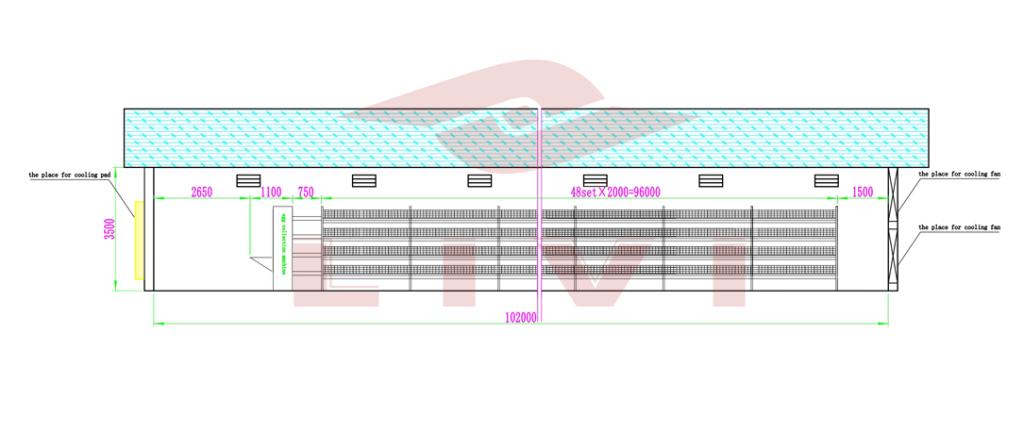
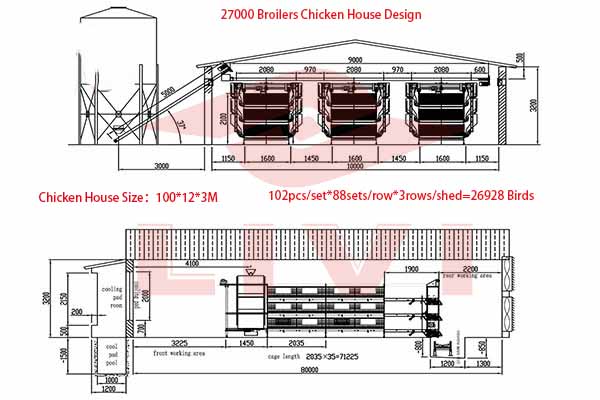
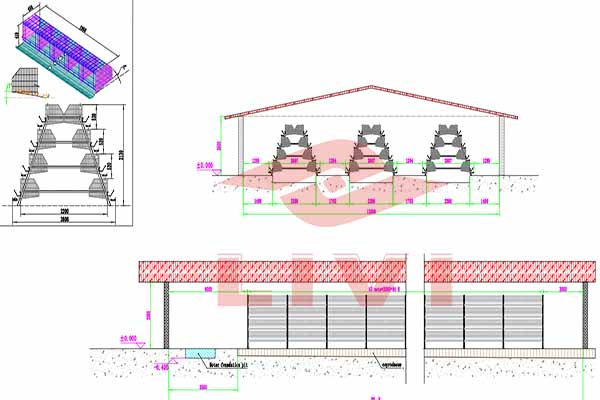
A well-designed coop is essential for the health and well-being of your chickens. Consider the following aspects:
- Size: Ensure there’s enough space for each chicken to move around comfortably.
- Material: Use durable, weather-resistant materials that are easy to clean.
- Ventilation: Proper ventilation is crucial to prevent heat stress and disease.
- Lighting: Natural light is ideal, but artificial lighting can be used to extend the laying season.
4. Feeding and Watering Systems
Nutritious feed and clean water are vital for healthy chickens. Invest in a reliable feeding system that ensures each chicken gets the right amount of feed. For water, consider automatic drinkers that minimize waste and ensure constant access.
5. Health Management
Regular health checks and vaccinations are essential to prevent disease outbreaks. Keep a record of each chicken’s health, and consult with a veterinarian if necessary.
6. Biosecurity Measures
Implement biosecurity measures to protect your chickens from external threats. This includes:
- Regular cleaning and disinfection of the coop
- Restricting access to the farm
- Monitoring for signs of disease
7. Egg Collection and Processing
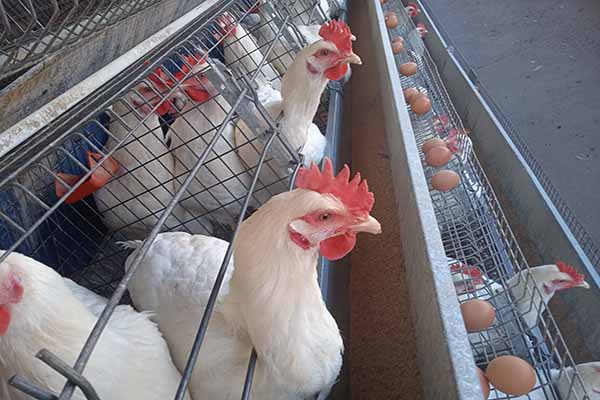
Establish a system for collecting and processing eggs efficiently. This may include automated egg collection systems and proper storage conditions.
8. Marketing and Sales
Develop a marketing strategy to promote your chicken products. Consider selling directly to consumers, through local markets, or to restaurants and retailers.
Conclusion
Setting up a chicken farm requires careful planning and attention to detail. By following this step-by-step guide, you’ll be well on your way to a successful farming operation.
For more information or to receive a free chicken farm design and equipment quote from LIVI Machinery, please leave a comment below or contact us directly.