Sustainable Chicken Farming Practices: A Comprehensive Guide
Introduction to Sustainable Chicken Farming
Sustainable chicken farming practices are essential for the long-term viability of the poultry industry. These methods not only ensure animal welfare but also contribute to environmental conservation and economic sustainability. In this article, we will explore key sustainable practices that can be implemented in chicken farming operations.
Key Sustainable Chicken Farming Practices
- 1. Genetic Selection
- 2. Efficient Feed Management
- 3. Energy Efficiency
- 4. Waste Management
- 5. Water Conservation
- 6. Animal Health and Welfare
Choosing the right genetic strains that are resistant to diseases and require less feed can significantly reduce the environmental impact of chicken farming.
Optimizing feed formulations and using precision feeding techniques can minimize waste and reduce the carbon footprint of the farm.
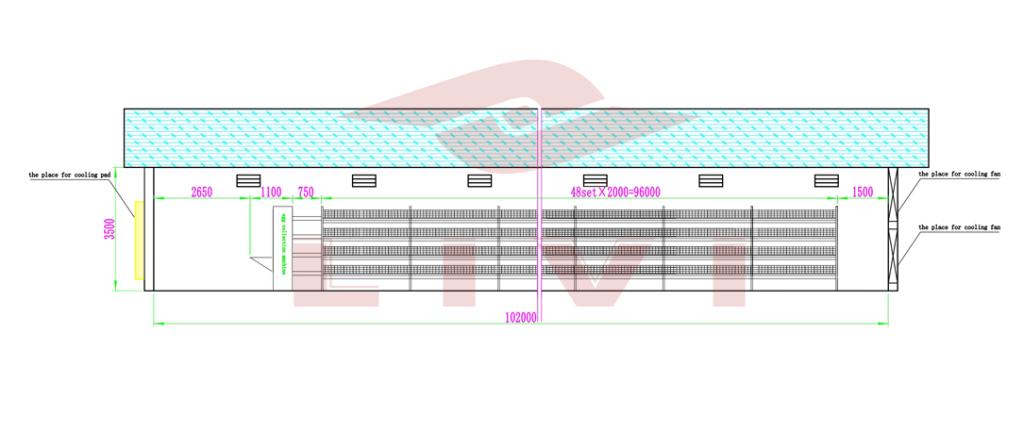
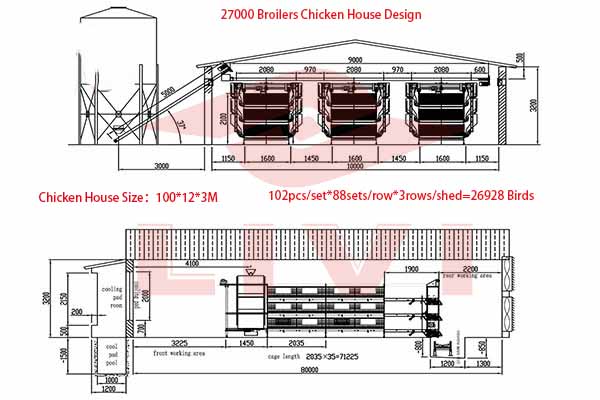
Implementing energy-efficient lighting and ventilation systems can lower energy consumption and operational costs.
Effective waste management systems, such as composting and recycling, can reduce the environmental impact of chicken farming.
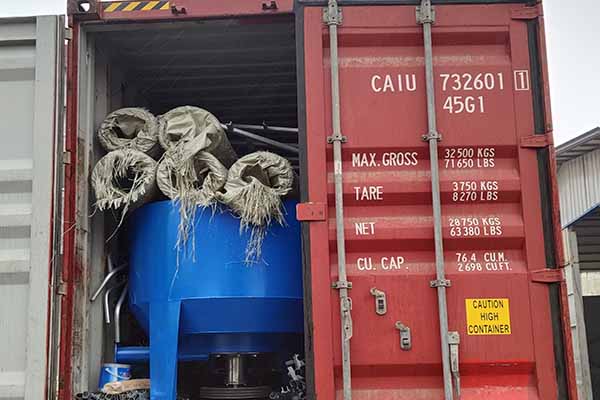
Water-saving technologies and practices, such as rainwater harvesting and drip irrigation, can help conserve this precious resource.
Regular health checks, proper vaccination programs, and providing a comfortable living environment for chickens are crucial for sustainable farming.
Benefits of Sustainable Chicken Farming
| Benefit | Impact |
|---|---|
| Reduced Environmental Footprint | Lower greenhouse gas emissions and waste production |
| Improved Animal Welfare | Healthier chickens and reduced stress levels |
| Economic Viability | Lower operational costs and increased market value |
Case Studies
Several farms have successfully implemented sustainable practices, resulting in significant improvements. For instance, a farm in the Netherlands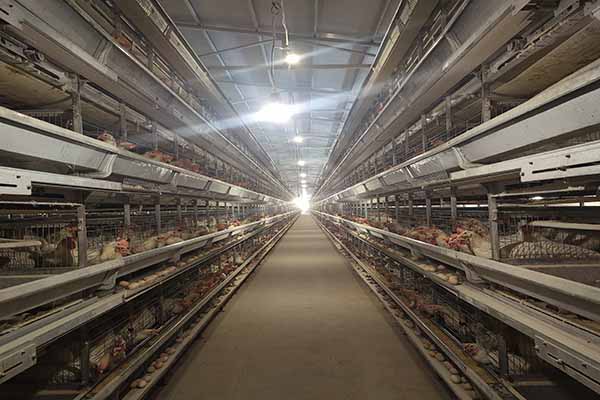 reduced its water usage by 50% through innovative irrigation systems, while a farm in the UK cut its feed waste by 30% through precision feeding techniques.
Conclusion
Sustainable chicken farming practices are not only beneficial for the environment but also for the financial health of the poultry industry. By adopting these methods, farmers can ensure a more sustainable future for their operations.
Are you interested in learning more about sustainable chicken farming practices? Leave a comment below, and we will be happy to provide you with a free Liv-i mechanical chicken farming design and equipment quote.